YouTube Lets Users Turn Off Shorts — What That Means

A subtle control that could reshape your feed
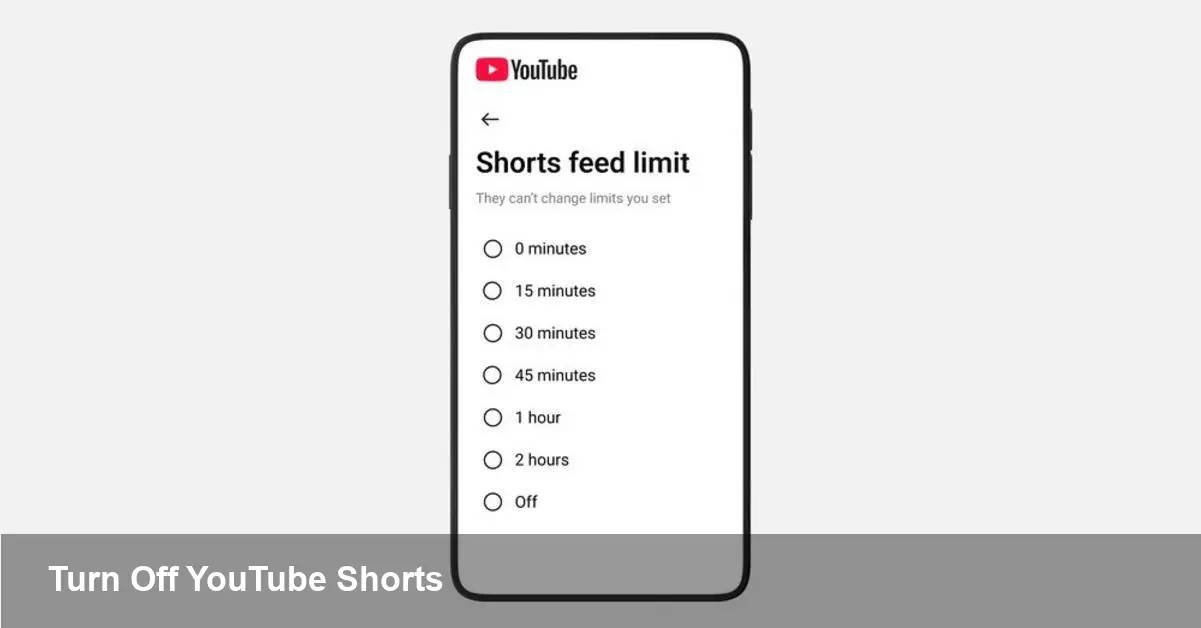
YouTube recently added a straightforward but consequential option: users can set their Shorts time limit to zero minutes. In plain terms, you can compress your exposure to short-form content on the platform until it effectively disappears from your personal viewing session.
This isn’t just a toggle for picky viewers. It changes how attention is routed on one of the world’s largest video platforms — with downstream effects for creators, advertisers, and product teams thinking about content distribution.
A short history: why Shorts exist
Shorts launched as YouTube’s answer to TikTok and the broader rise of vertical, snackable videos. The format helped YouTube recapture younger viewers and introduced new discovery pathways: a short video can reach millions quickly and funnel viewers to longer uploads or channels.
That viral discovery engine also encouraged habitual, algorithm-driven consumption. For many users, Shorts became the fastest way to lose a half hour in repetitive, high-velocity clips. The new setting is a response to growing demand for greater control over that consumption.
What the setting actually does (and what it doesn’t)
- What it does: Setting the Shorts time limit to zero effectively prevents the short-form feed from being prioritized in your viewing session. You’ll see fewer (or no) Shorts recommendations compared to before.
- What it doesn’t do: It doesn’t delete Shorts from YouTube, stop creators from uploading them, or remove Shorts pages from search results. It’s a personalization control for your own consumption.
The change is user-level rather than global — every viewer controls their own exposure. That means creators and advertisers won’t be locked out of the format entirely, but they may notice differences in reach on a per-user basis.
Who benefits — real-world scenarios
- Distracted professionals: If you use YouTube for tutorials or long-form learning, switching Shorts to zero helps reduce interruption and makes the homepage and suggested videos more useful for in-depth content.
- Parents and caregivers: Families who want to limit fast-paced, attention-grabbing clips for children can use the option as part of a broader media plan.
- Researchers and students: When deep focus matters, removing short snackable content from the algorithm helps make YouTube a more predictable study resource.
These scenarios show this tool is as much about attention management as it is about content preference.
What creators and businesses should do now
Shorts were a fast route to new audiences. If a meaningful subset of users hides them, creators will need to adapt:
- Diversify discovery channels
- Don’t rely solely on Shorts for subscriber growth. Invest in SEO-driven long-form videos, playlists, and community posts. Strong channel metadata and consistent uploads still push discoverability in search and suggested feeds.
- Reuse assets across formats
- A single long-form video can be sliced into multiple Shorts, clips for social platforms, and teaser videos. Cross-posting to Instagram Reels, TikTok, and Twitter/X reduces dependence on any single distribution channel.
- Measure cohort-level impact
- Track reach and conversion by cohort: users who prefer Shorts versus those who don’t. If you run promotions, test different creative formats and compare CTR and retention.
- Build an off-platform relationship
- Email lists, Discord, Telegram, or your own web app let you reach viewers regardless of algorithm changes. Treat platform audiences as fungible and bring them into owned channels.
How advertisers should think about it
Advertisers should treat this as a segmentation signal. If a campaign aims for quick brand recall with short clips, expect some audiences to be unreachable on-platform. For performance campaigns, blend placements across long-form in-stream buys and short-form spots on third-party services to maintain reach.
Programmatic buyers and DSPs will likely incorporate this preference into supply-side targeting; media planners should ask publishers whether Shorts-preference data can be layered into targeting bundles.
Product and platform implications
YouTube’s move is an example of platforms offering more granular personal controls. Expect a few broader shifts:
- Increased personalization complexity: Platforms will need clearer UX and explainers so users understand the difference between hiding content and removing it entirely.
- Revenue modeling adjustments: If a chunk of users opt out of short-form, YouTube will examine how that impacts CPMs and watchtime. Revenue-per-user could shift if short-form ads are more or less lucrative than long-form inventory.
- Creator strategy evolution: Creators may prioritize formats that show consistent, long-term revenue and engagement rather than chasing viral shorts.
Three implications for what comes next
- Platforms will offer more opt-outs. When users demand control, companies respond by adding settings that trade personalization for predictability.
- Attention will fragment further. As more people decide which formats they consume, a single content strategy will be less effective. Niche plays and community-owned channels will gain relative importance.
- Measurement and transparency will be more valuable. Creators and advertisers who can measure cross-platform conversion and hold customers in owned channels will be less exposed to another UX-driven policy shift.
Quick user checklist
- If you want fewer Shorts: look for the new Shorts control in your YouTube settings and set the time to zero.
- Creators: audit which portion of your traffic comes from Shorts and experiment with converting short-form viewers to subscribers via clear CTAs.
- Advertisers: test mixed-format buys and track CPM/CPA across segments.
This update is small in interface but meaningful in its message: platforms are giving users more control over attention flows. For creators and businesses, the practical move is to diversify distribution and deepen relationships with audiences beyond any single feed.