How YouTube’s Option to Hide Shorts Changes the Platform

Why this change matters
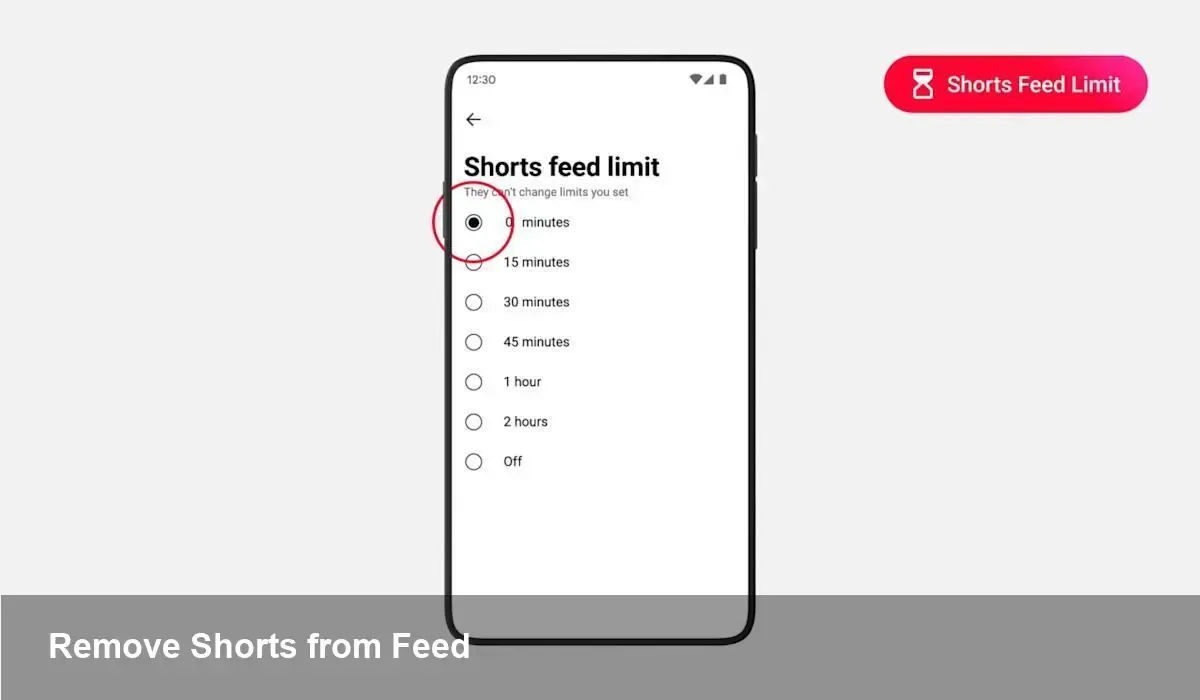
YouTube’s short-form video format, YouTube Shorts, reshaped the platform by injecting a TikTok-style, vertical-video experience into Google’s video empire. Until now, Shorts were increasingly prominent across the app: a dedicated tab, autoplay reels on the Home screen, and heavy algorithmic promotion. A new user control that lets people hide or reduce Shorts signals a shift toward giving viewers more control over what they see — and it shifts incentives for creators, publishers and advertisers.
This article unpacks what the change means in practical terms, offers scenarios where it matters, and outlines how creators and businesses should respond.
Quick background: Shorts and why YouTube pushed them
YouTube launched Shorts to capture the audience and creator energy around snackable, mobile-first video. For many creators, Shorts became the fastest route to reach new viewers because the format rewards frequent posting and high retention. From a business perspective, Shorts helped YouTube compete with other short-video platforms and kept user engagement high on mobile.
At the same time, the format introduced challenges. Shorts fragments viewing behavior, drives volume-oriented metrics over depth, and can cannibalize long-form watch time — which matters for ad monetization. The new hide-Shorts option is a product-level response to users who prefer traditional long-form videos or want a cleaner, less algorithm-driven feed.
What users gain (and what they lose)
- Control and comfort: Users who find rapid-fire short clips distracting can now tailor their experience to long-form content or chosen channels. That makes YouTube feel more like a conventional video library and less like an endless scroll.
- Reduced noise, better relevance: Power users who want to focus on tutorials, long interviews, or cinematic content can avoid being led to ephemeral trends.
- Fewer discovery serendipities: The downside is decreased accidental discovery. Shorts often introduce new creators to viewers who wouldn’t otherwise encounter them. Some smaller creators depend on that viral discovery loop.
Use cases and scenarios
Scenario 1 — The instructor: A coding teacher who uses long-form screencasts can now recommend that students disable Shorts to avoid distractions while following tutorials.
Scenario 2 — The commuter: Someone who prefers quick music videos on the train might keep Shorts enabled for bite-sized entertainment, while a research analyst might hide them to keep the Home feed focused on long interviews and documentaries.
Scenario 3 — The creator: A creator who has ridden Shorts to growth will notice that hide-Shorts creates audience variability. Some new viewers will find them through Shorts less often if a portion of the user base opts out.
What this means for creators and publishers
- Diversify distribution: Relying exclusively on Shorts for audience acquisition is riskier. Creators should maintain a mix of short and long-form content and build cross-platform audiences (email lists, Discord, newsletters).
- Re-optimize content funnels: Use Shorts as top-of-funnel hooks that point to longer videos, playlists, or membership content. If fewer viewers see Shorts, the conversion path from short to long becomes even more important.
- Invest in discoverability beyond the algorithm: Encourage direct subscriptions, community tab engagement, and social media shares. SEO-friendly titles, timestamps, and robust video descriptions help long-form content surface through search even when Shorts visibility drops.
- Metrics and monetization: Teams should track whether hiding Shorts affects impressions, watch-time patterns, and CPMs in their analytics. Platforms that reward long watch times may become more valuable if a large user subset removes Shorts.
Implications for advertisers and brands
Shorts have been an attractive ad surface for fleeting, high-frequency campaigns. If a significant number of users opt out, brands might see reduced reach among short-video audiences on YouTube specifically. That creates opportunities:
- Rebalance ad spend toward long-form in-stream and discovery ads where premium, engaged audiences remain.
- Use Shorts for awareness campaigns on platforms where the format dominates (TikTok, Instagram Reels) while investing in YouTube long-form for consideration and conversion messaging.
Developer and API considerations
For developers building services on top of YouTube data, the hide-Shorts change highlights the importance of understanding user preference signals. API-driven products that curate user feeds or perform content analytics should:
- Respect updated user preference flags (if YouTube exposes them through APIs or feeds). Customize experiences by checking whether a user has disabled Shorts.
- Reevaluate recommendation thresholds: Systems that prioritize short-form content for engagement-driven recommendations may need to back off for affected user cohorts.
- Offer filters and UX parity: If you surface YouTube content inside a third-party app, allow users to toggle short-form content visibility to match their YouTube settings.
Trade-offs and limitations of the setting
- Limited reach for new creators: Hiding Shorts reduces one of the easiest discovery channels. New creators may find subscriber growth slower if fewer users choose to see Shorts.
- Platform balance: YouTube must balance the desires of long-form loyalists and short-form enthusiasts. Too much emphasis on either side risks alienating the other.
- Unknown adoption curve: How many people will use the option? Adoption rates will determine whether this is a niche toggle or a structural shift in content consumption.
Strategic moves for creators and businesses
- Audit your content mix: Identify which videos are driving subscriptions and revenue, not just views. Reallocate effort accordingly.
- Optimize conversion paths: Make sure Shorts link clearly to longer videos, channel memberships, or external landing pages.
- Strengthen owned channels: Email lists, membership platforms, and direct distribution reduce reliance on any single discovery mechanism.
- Monitor platform metrics closely: Watch impressions, subscriber growth, and average view durations for signs of channeling between formats.
A quick practical tip for users
If you prefer fewer short clips, try adjusting your feed and notification preferences and engaging more with long-form channels you like (likes, watch completions, and subscriptions affect what the algorithm surfaces). That signals YouTube to prioritize similar content even without changing settings.
Looking ahead
Giving users an explicit way to avoid Shorts is part of a broader personalization trend: platforms increasingly hand more control to individuals to fine-tune their experience. For creators and businesses the implication is clear — adaptability wins. Those who can deliver high-quality long-form content while still experimenting with short hooks will be best positioned regardless of how individual users set their preferences.
If you’re a creator, consider this a prompt to review your distribution strategy. If you’re a viewer, enjoy a cleaner feed when you need it — and remember the option to re-enable short-form discovery anytime.