Inside Science Corp’s push to implant a human brain sensor

Why this matters now
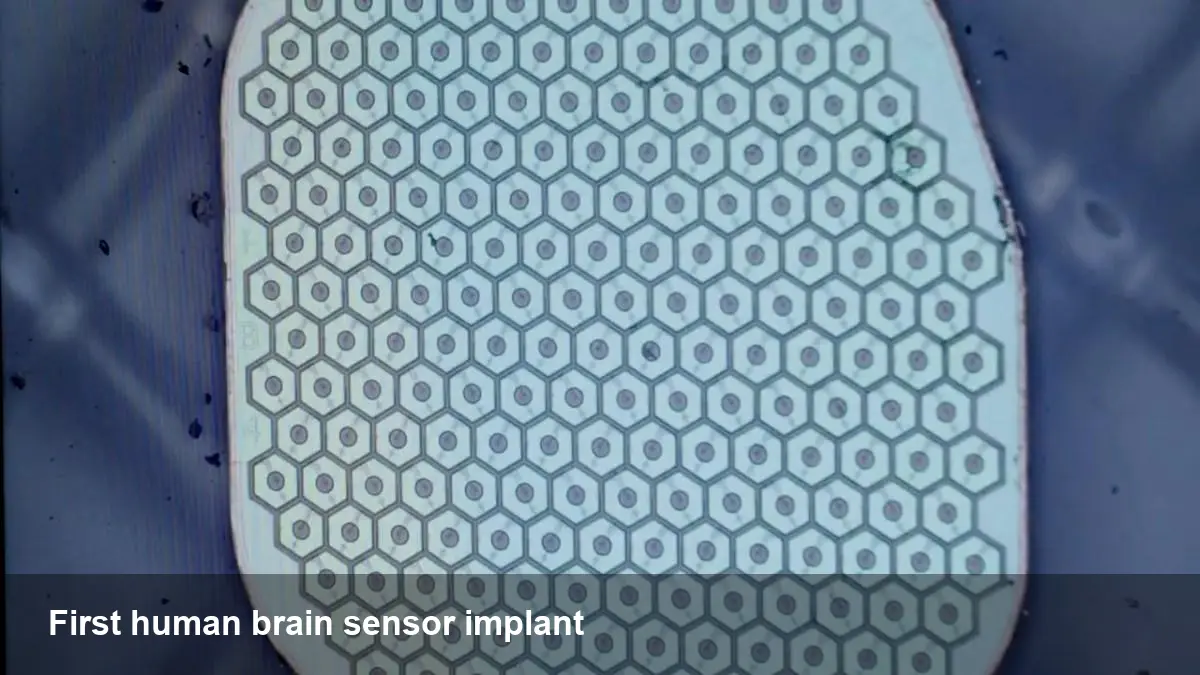
A startup led by Max Hodak is preparing to place a small sensor inside a human brain — an early step that could change how clinicians and researchers monitor and stimulate neural tissue. The device is designed not only to record activity but also to deliver gentle electrical stimulation to damaged brain or spinal cord cells. If the implant proves safe and effective, it could add a new tool to the neuromodulation toolbox, with use cases ranging from promoting tissue repair to improving recovery after injury.
A quick primer on the company and the device
Science Corp is the company behind the effort. Founded by engineers and entrepreneurs with prior experience in brain‑machine interfaces, its work sits at the intersection of implantable hardware, neurophysiology and closed‑loop software. The sensor the company intends to place in a human is described as minimally invasive, with telemetry and stimulation capabilities. Unlike consumer EEGs that sit on the scalp, this kind of implant can access high‑fidelity signals and deliver localized, low‑amplitude electrical pulses directly to targeted tissue.
The early program appears focused on first‑in‑human testing — an investigational stage where safety, signal quality and basic physiological effects are the priority. One early therapeutic avenue is using low‑energy stimulation to encourage recovery in damaged neural circuits after stroke or spinal cord injury. The idea is not to replace existing prosthetics or brain‑computer interfaces, but to explore neuromodulation as a regenerative adjunct: stimulating networks to promote plasticity and healing.
What this looks like in practice — two scenarios
- A patient recovering from spinal cord trauma receives a small cortical or subcortical sensor. The device continuously records local activity patterns and, when specific signatures of disengagement or dysfunction appear, applies mild pulses to encourage reconnection and plasticity. Over weeks or months, clinicians use the device’s data to tune stimulation schedules and conservative rehabilitation protocols.
- A person with a chronic stroke has regions of cortex that are dormant but salvageable. The implant delivers scheduled micro‑stimulation sessions during physical therapy to enhance motor relearning. Researchers compare outcomes to matched controls to evaluate whether stimulation accelerates functional gains.
Both scenarios are illustrative: early human implants are usually conservative, closely monitored, and aimed at collecting rigorous safety and feasibility data rather than immediate, dramatic cures.
Who benefits: clinicians, researchers, and companies
- Clinicians: Access to continuous, localized neural data can inform treatment timing and personalize stimulation parameters. For rehabilitation specialists, this can mean better‑timed therapy and objective progress measures.
- Researchers: An implanted sensor provides a richer window into human neurophysiology than noninvasive tools. It enables studies on plasticity, network recovery, and stimulation dose–response that aren’t possible with surface recordings.
- Startups and medtech companies: Demonstrating a safe first‑in‑human implant is a major de‑risking milestone. It can unlock regulatory pathways, partnerships with larger medical device firms, and potential grant or investor interest to advance controlled clinical trials.
Developer and workflow implications
If Science Corp or similar teams succeed, a few practical shifts in how developers and researchers work could follow:
- SDKs and measurement pipelines. Expect research‑grade APIs and toolchains to process raw neural data, flag events, and implement closed‑loop rules. Developers will need to focus on latency, artifact rejection, and safety envelopes for stimulation commands.
- Validation and simulation environments. Before deploying algorithms inside a human, developers will rely heavily on realistic simulators and preclinical datasets to iterate on detection and control logic.
- Regulatory‑grade documentation. Software that affects stimulation will need traceable logs, reproducible configurations, and thorough verification to satisfy investigators and regulators during trials.
- Interdisciplinary teams. Projects will require close collaboration among engineers, neurologists, rehabilitation therapists, and ethicists to craft protocols that are both technically sound and clinically meaningful.
Risks, limits and ethical questions
- Surgical and biological risk: Any implant carries infection, inflammation, and tissue response risks. Early implants prioritize conservative stimulation amplitudes and frequent follow‑up.
- Unknown long‑term effects: Chronic implants can degrade signals over time; stimulation may have unforeseen network consequences that take long follow‑up to detect.
- Data and privacy: Implanted sensors generate sensitive physiological records. Strong encryption, minimal on‑device storage, and clear consent models are essential.
- Access and equity: Novel implants and associated therapy can be expensive. Without purposeful policy and pricing strategies, early benefits may accrue mainly to well‑resourced patients and institutions.
Business and regulatory path
The first human implant is usually part of an investigational study designed to collect safety and feasibility data. Success in that stage can enable broader clinical trials and eventual regulatory submissions. For a startup, progressing past first‑in‑human milestones often opens strategic options: licensing deals, acquisition interest from larger medtech firms, or continued independence with venture backing to complete trials.
A realistic timeline is incremental: safety and signal validation first, small cohorts next, and larger randomized trials later. Companies often partner with academic medical centers to run these studies, leverage expertise in neurosurgical implantation, and gain access to patient populations.
3 implications for the next five years
- Neuromodulation will diversify beyond fixed targets and high‑energy stimulation. Expect more exploration of low‑amplitude, temporally patterned pulses aimed at promoting plasticity rather than simply silencing or activating circuits.
- Developer ecosystems will emerge around implanted neural devices. Standardized SDKs, simulation platforms, and regulatory playbooks will make it easier for small teams to build clinically minded algorithms.
- Ethical frameworks and data governance will become business differentiators. Companies that bake in transparent consent flows, robust privacy protections, and equitable access strategies will have reputational advantages.
What to watch next
Look for peer‑reviewed reports and trial registrations that describe inclusion criteria, primary endpoints, and early safety signals. Those documents will reveal whether the implant is mainly a monitoring tool, a stimulation therapy, or a hybrid. For developers and founders, the key practical questions are interoperability (how the device talks to external systems), the availability of research APIs, and the roadmap for larger trials.
An implanted brain sensor is not a magic bullet, but it is a hinge point. If early human work shows predictable, safe physiology and measurable rehabilitation benefits, it will accelerate both academic research and commercial efforts to treat neurological injury and disease.