Why Xbox Is Still Pushing for a Mobile Store

Why the idea keeps coming back
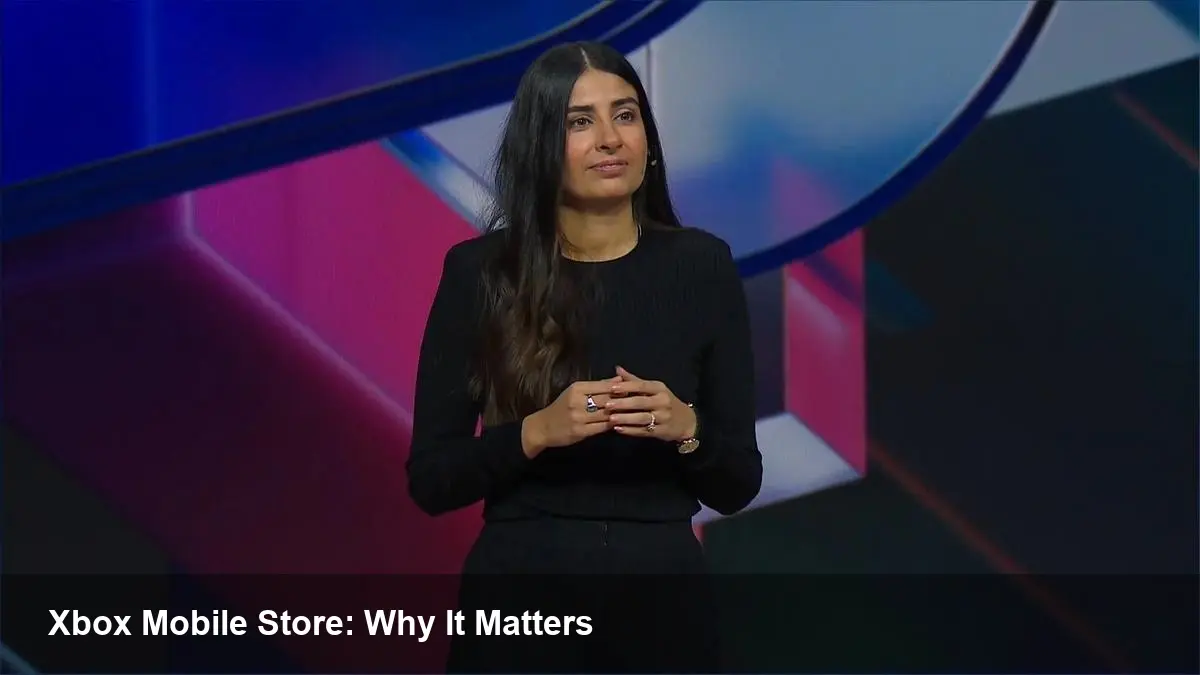
The notion of an Xbox mobile store keeps reappearing in industry conversations because it sits at the intersection of three high-value trends: subscription gaming (Game Pass), cloud streaming, and mobile-first user behavior. Xbox leadership has signaled that the concept is far from dead — and for good reason. A dedicated mobile store would give Microsoft more control over distribution, reduce dependency on platform gatekeepers, and enable product experiences tuned specifically for cloud-delivered and touch-first games.
Below I break down what a Microsoft-backed mobile storefront could mean for players, developers, and the broader games business, plus concrete scenarios and practical trade-offs to watch.
A quick background
Xbox is a long-established console and services brand owned by Microsoft. Game Pass, its subscription offering, bundles a large catalog of games across console, PC, and cloud streaming (xCloud). Mobile has been an awkward fit: Android supports Xbox cloud apps readily, but iOS constraints and platform commissions create friction. A mobile store tailored for Xbox-style distribution offers a way to simplify purchases, subscriptions, and the in-app flows required for cloud gaming.
Three practical scenarios where an Xbox mobile store adds value
- Seamless Game Pass sign-up and retention
Problem today: On many mobile platforms, buying a Game Pass subscription involves redirecting users through third-party app stores or complex web flows that can hurt conversion and churn.
What a store helps with: A native Xbox mobile store could host Game Pass subscriptions and manage payment flows with lower friction and potentially lower transaction fees. The result is higher conversion for trial sign-ups, simpler family sharing controls, and unified billing across devices.
- Optimized delivery for cloud-first titles
Problem today: Stores and discovery mechanisms treat native mobile apps differently than streamed titles, limiting discovery and clarity for users who want to play instantly via cloud.
What a store helps with: A curated storefront could surface ‘streamable’ experiences and provide consistent metadata (controls recommended, latency expectations, required subscription). It could also deliver lightweight launchers that act as gateways to cloud sessions, eliminating the need to install large native files.
- OEM and carrier partnerships that expand reach
Problem today: Preloading third-party storefronts or tightly integrating cloud services with carriers is difficult because of platform restrictions and existing deals.
What a store helps with: Microsoft could strike OEM deals (for example, preloading on Android devices) or partner with carriers to bundle Game Pass data plans, using the store as the distribution and billing anchor.
What this would mean for developers
- Discovery and revenue model: Developers could see new storefront placements tailored to cloud-enabled titles and subscription-first distribution. This could raise impressions for smaller studios, but the terms (revenue share, marketing support) would be critical.
- Packaging and SDKs: Expect SDKs focused on session launch, cloud-save sync, and optimized telemetry. Developers would need to certify performance for streaming scenarios (input latency, asset streaming).
- Certification and curation: A Microsoft-run store would likely apply different rules than general-purpose app stores — more focused on performance and compatibility with Xbox services rather than mobile-native UX standards.
Roadblocks and trade-offs
- Apple’s walled garden: iOS remains the toughest environment. Apple’s rules on app stores and web apps make it unlikely that an alternate mobile store would ever be fully available on iPhones without major concessions or regulatory shifts.
- Google Play and Android fragmentation: Android is more permissive, but device diversity makes quality assurance harder. Microsoft would need a robust testing and compatibility program across chipset, GPU, and network profiles.
- Business and regulatory scrutiny: Running a store invites attention from regulators and competing developers/publishers. Microsoft would have to design clear, fair policies to avoid antitrust headaches.
- User adoption risk: Convincing millions of users to install an alternate store has inherent friction. Microsoft would need OEM partnerships or compelling bundled offers to reach critical mass.
Business upside and measurable impacts
- Higher Lifetime Value (LTV): Easier subscription flows and bundled offers (carrier billing, OEM bundles) would likely increase ARPU and reduce churn for Game Pass.
- Lower fees, higher margins: If Microsoft routes payments outside of other platform stores or negotiates better terms, the company can preserve margin and pass savings to customers or studios.
- Increased engagement: Curated “streamable now” sections and better discovery for cloud-optimized titles can produce higher playtime and retention.
What to watch next (three implications)
- Regulatory changes will shape feasibility
New laws (for example, in the EU) that force platform openness will materially increase the chance of alternate mobile stores gaining traction. Watch how Microsoft positions itself in regions with different regulatory rules.
- The incremental value will be in orchestration, not just distribution
A store that simply redistributes existing content won’t move the needle. The winning proposition bundles distribution with optimized streaming, unique billing options, and partnerships (carriers, OEMs, TV makers).
- Indies get a real opportunity — if terms are fair
A curated Xbox mobile store that highlights cloud-first indie titles could level the playing field vs. the crowded generic app ecosystem. But Microsoft must strike a balance: favorable discoverability plus clear revenue terms.
Who benefits most?
- Players who want instant access: Cloud believers who prefer instant play over downloads benefit from clearer discovery and simpler subscription flows.
- Game Pass: The subscription business doubles down on retention levers — lower friction, bundled offers, and clearer cross-device continuity.
- Studios prepared for streaming: Teams that design for low-latency controls and progressive asset streaming will see better placement and potentially new monetization options.
A mobile store is not a silver bullet, but it’s a strategic lever that maps cleanly to Microsoft’s strengths in services and cloud. If Xbox presses forward, the real test will be whether the store changes how people discover and pay for games on phones — not just where they click “install.”
Whether that’s through OEM deals, carrier bundles, or regulatory openings, a thoughtfully executed store could be an important next step for Game Pass and cloud gaming on mobile.