Why Microsoft pulled Call of Duty from Game Pass

A quick snapshot
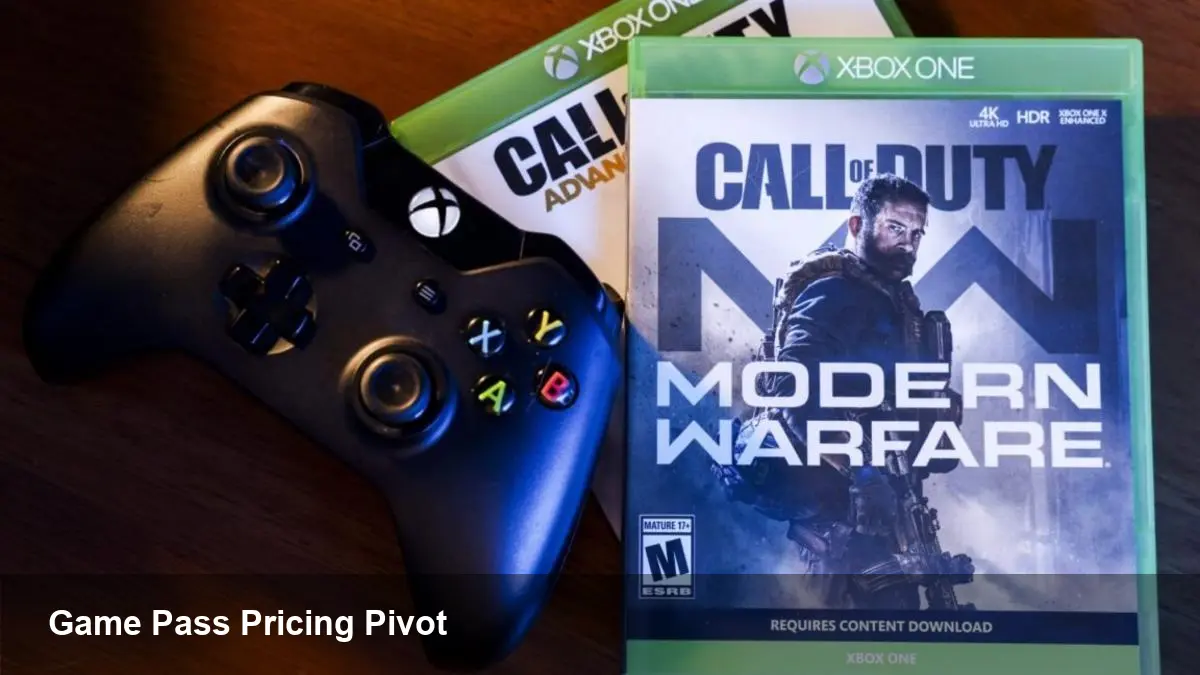
Microsoft recently removed the Call of Duty franchise from its Game Pass subscription and announced a reduction in subscription pricing. This move marks a pivot in how Xbox balances marquee titles inside a subscription bundle versus broader affordability for its player base.
Why this matters
Game Pass has been one of Microsoft’s flagship consumer products: a single subscription that grants access to a mix of first-party games, third-party titles, and older catalog entries. Call of Duty is one of the biggest, most commercially successful franchises in gaming. Its presence in Game Pass boosted perceived value for subscribers and helped Xbox compete on content depth.
Removing the franchise from the catalog — while lowering the monthly cost of Game Pass — signals a strategy shift. Xbox appears focused on widening the addressable market by making the service more affordable for players who don’t weigh Call of Duty heavily in their purchase decisions.
What led to the change (practical causes)
Several likely drivers explain the move:
- Cost versus reach: Premium tentpole games are expensive to license and host inside a subscription. If a large portion of subscribers aren’t active players of that franchise, the marginal cost per engaged user rises.
- Retention vs acquisition balance: Game teams need to decide whether a title better serves long-term retention inside the catalog or generates more revenue and visibility as a standalone purchase or seasonal product.
- Market segmentation: Lowering the subscription price can attract more casual players and families, while keeping franchise-specific purchases separate for core fans.
- Business and partner dynamics: Major franchises come with external deals, revenue-share models, and live-service monetization that may not map neatly into a subscription bundle.
How this affects players — three everyday scenarios
- Casual players: Someone who uses Game Pass to play indie games, older exclusives, or occasional multiplatform hits will likely welcome the lower monthly fee. The service becomes a better value for their play patterns.
- Core Call of Duty players: Competitive and long-term Call of Duty fans will feel the impact — they now need to buy the title separately or subscribe to alternate services, potentially increasing their spend. But hardcore players often invest in DLC, battle passes, and microtransactions anyway, so the overall spend might not change dramatically.
- Families and small households: Reduced pricing plus a curated catalog can make Game Pass more attractive as a shared entertainment subscription, lowering friction for households that don’t have a dedicated CoD player.
Developer and studio implications
For teams inside Microsoft and for external partners, this shift changes how launch economics and live operations are planned:
- Measurement will pivot toward engagement-per-dollar rather than raw installs. Studios will need to show that a title drives consistent retention to justify inclusion.
- Live-ops revenue (battle passes, cosmetics) can become more important than inclusion in a subscription for ongoing monetization.
- Smaller developers that relied on exposure through flagship bundles may have to diversify marketing strategies if those tentpole titles are selectively removed in future iterations.
For independent studios, Game Pass is still a powerful discovery channel. But the calculus for inclusion — and the negotiation around fees or revenue splits — will likely tighten.
Business-level risks and upsides
Upsides:
- Lower pricing can boost subscriber count and reduce churn in price-sensitive segments.
- Separating blockbuster franchises from the bundle preserves their standalone commercial potential and can protect full-price sales and in-game monetization.
- A cleaner value proposition may reduce customer confusion about what Game Pass is meant to be.
Risks:
- Removing a marquee franchise risks alienating a subset of loyal subscribers, and some may cancel.
- Competitors can use the absence of big-name titles as a marketing angle.
- The move raises questions about the long-term composition of the catalog: if more tentpole games are pulled, will Game Pass lose its perceived high-end value?
Pricing strategy and product design lessons
This change illustrates a few broader product lessons that apply beyond gaming:
- Simplicity wins: Overly complex bundles that try to be everything can confuse buyers. A leaner, cheaper tier with a clear value statement often converts better for mainstream users.
- Segmentation matters: Keeping premium content as optional purchases allows firms to maximize revenue from superfans while still offering an affordable mass product.
- Data-driven decisions: Subscription firms must continually measure the marginal value of each title — who it attracts, how it reduces churn, and how it impacts overall lifetime value.
Three implications for the future
- More flexible tiers are coming: Expect subscription services to introduce more differentiated tiers (family, casual, hardcore) or ephemeral add-ons for marquee titles, rather than a one-size-fits-all catalog.
- Live monetization will be central: For ongoing franchises, in-game purchases and seasonal content will drive revenue strategy more than being included in a subscription bundle.
- Negotiation and partnership models will evolve: Platform holders, publishers, and developers will craft more nuanced agreements — potentially including time-limited inclusions, revenue-sharing tied to engagement, or co-marketing arrangements.
What players and studios should do now
- Players: Re-evaluate your play habits. If you subscribe mainly for titles outside the removed franchise, the lower-priced tier might be a win. If you’re a core franchise fan, compare total costs across standalone purchases and alternative subscriptions.
- Developers: Track engagement metrics tied to subscription inclusion and prepare for more frequent contract re-evaluations. Diversify discovery and monetization channels so exposure isn’t solely tied to big catalog placements.
This shift is less about abandoning subscriptions and more about refining what a subscription is meant to deliver: broad access for many, while preserving premium revenue streams from those who value marquee, ongoing franchises the most. For consumers, studios, and platform teams, it’s an invitation to rethink value — balancing reach, revenue, and the cost of running live, content-rich games.