Why Microsoft Ditched 'Microsoft Gaming' and Rebooted Xbox

What changed and why it matters
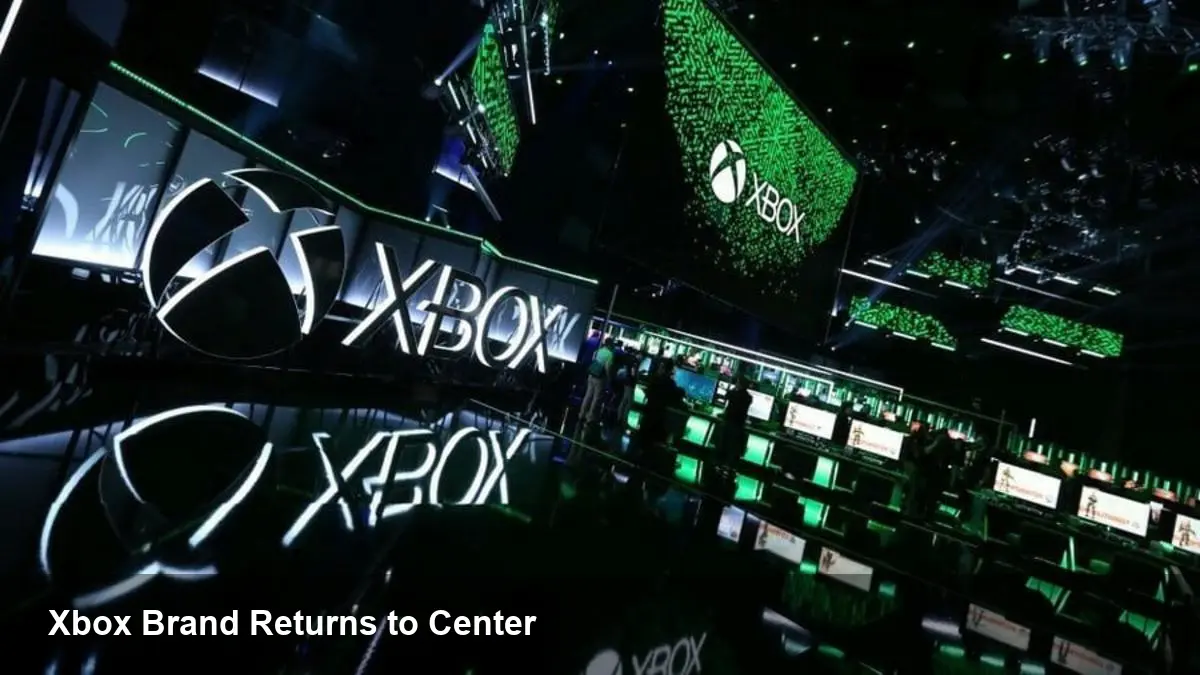
Microsoft has quietly moved away from the broad "Microsoft Gaming" label and put the spotlight back on Xbox. The shift was highlighted when Asha Sharma promoted a "Return of Xbox" message at Microsoft’s headquarters, signaling a clearer branding pivot toward the console and platform that launched Microsoft into modern gaming.
On the surface this is a brand move. Under the hood it has practical implications for marketing, developer relations, platform positioning and how Microsoft presents its gaming strategy to consumers and partners.
A short history: Microsoft, Xbox and the "umbrella" era
Xbox has been Microsoft’s consumer gaming face since the early 2000s. Over time Microsoft experimented with broader organizational brands to reflect a sprawling gaming effort that now spans consoles, cloud, subscription services, and dozens of studios. "Microsoft Gaming" served as a corporate umbrella for groups and programs that weren’t strictly console-first — covering cloud gaming (xCloud), Game Pass, PC initiatives, and studio acquisitions.
That umbrella made sense when Microsoft wanted to emphasize gaming as a company-wide priority across devices and services. But umbrellas can also blur identity. Consumers primarily know Xbox as a console brand; developers and partners want clear signals about where product, support, and platform investments will land.
What the move means practically
Here are concrete ways the disappearance of the "Microsoft Gaming" label and the return to Xbox positioning will change things.
- Marketing clarity: Expect Xbox-fronted campaigns. Console and flagship IP will likely get more prominent placement and consistent messaging across retail, events, and advertising. That helps hardware and big-release discoverability.
- Game Pass emphasis: Returning to an Xbox-first story helps Microsoft frame Game Pass as a core Xbox offering rather than a generic Microsoft service. Bundles, console-centric campaigns, and curated Xbox-first content deals become easier to promote.
- Developer relations: For first-party and third-party studios the message is clearer: Xbox is the primary route for Microsoft’s gaming strategy. That can translate to more focused platform tools, clearer certification roadmaps, and potentially differentiated benefits for Xbox-optimized experiences.
- Channel and retail: Retailers and distribution channels respond to brand clarity. Xbox-centric packaging, store demos, and console bundles are simpler to coordinate than a diffuse Microsoft Gaming identity.
Scenarios: How different stakeholders will feel the change
- Indie teams: Smaller developers working through ID@Xbox or partnering on Game Pass may benefit from a single Xbox-facing outreach path. That could mean streamlined promotional opportunities, but also more competition for Xbox-specific marketing slots.
- First-party studios: Microsoft’s internal teams might see renewed pressure to deliver marquee Xbox exclusives that justify the brand spotlight. More resources could flow to flagship titles and events that reinforce the Xbox narrative.
- Third-party publishers: The shift may change negotiation dynamics. Publishers want placements that boost discoverability; Xbox’s reemphasis could mean clearer value for console launch windows and Game Pass timing.
- Enterprise partners and platform integrators: Companies building tools or middleware for Xbox will find a simpler set of product and partnership touchpoints, particularly around consoles and Xbox-native services.
What remains the same (mostly)
This isn’t a reversal of Microsoft’s multi-device strategy. Cloud gaming (xCloud), PC Play, and Game Pass for multiple platforms will still exist. The difference is packaging: Microsoft appears to want Xbox to be the primary brand that ties these services together in the public mind.
That means features like cross-play, cloud saves, and Game Pass multi-device subscriptions will continue, but they might be framed as Xbox benefits first.
Pros and trade-offs
Benefits:
- Stronger consumer brand recognition for Xbox can boost hardware and subscription adoption.
- Simpler messaging helps marketing ROI and reduces confusion for customers evaluating ecosystem choices.
- Developers and partners face fewer brand touchpoints when coordinating releases and promotions.
Trade-offs:
- Re-centering on Xbox risks underplaying platform-agnostic aspirations and could be read by some partners as prioritizing console outcomes.
- Internal restructuring and the change in messaging can create short-term friction as teams realign to the Xbox-first narrative.
- If Microsoft leans too heavily on Xbox exclusives, it might strain relationships with publishers who value multi-platform launches.
Developer workflow implications
If you’re shipping games or services that integrate with Microsoft platforms, expect practical changes over the next several quarters:
- Certification and submission portals may be reorganized around Xbox-specific pipelines — keep an eye on developer portals and docs.
- Marketing and PR outreach likely consolidate: submit Xbox-focused materials for promos and Game Pass considerations.
- Technical toolchains (SDKs, telemetry, cloud build integration) will remain supported, but communications around priorities (e.g., Xbox Series X|S optimizations) may intensify.
For studios considering where to invest optimization time, optimizing for Xbox performance and the Xbox ecosystem may yield higher marketing and platform support rewards.
Strategic implications for the wider industry
1) Brand-first competition: By sharpening the Xbox identity, Microsoft is positioning itself to compete on a more traditional console-brand footing with Sony and Nintendo. Expect tighter comparisons around exclusive titles and hardware bundles.
2) Game Pass as the anchor: Framing gaming conversations through Xbox strengthens Game Pass as the central retention and distribution engine. Successful Game Pass titles will be pivotal in shaping consumer perception.
3) Cloud remains complementary: Cloud gaming will be framed as an Xbox capability rather than a separate Microsoft cloud play, which could accelerate Xbox-led cloud partnerships but may limit the perceived neutrality of Microsoft’s cloud gaming offerings.
What to watch next
- Product announcements and Xbox-branded events revealing how Microsoft will showcase first-party titles and Game Pass.
- Any reorgs that change studio reporting lines or developer communications channels.
- Updates to developer portal documentation that signal new priorities.
Moving from a broad corporate label back to the Xbox name is part practical branding and part strategic sharpening. For developers it simplifies outreach and may shift where promotional and technical support flows. For players it should make messaging clearer — whether you’re buying a console, subscribing to Game Pass, or streaming a title, you’ll be met with an Xbox-first story.
If you’re building for Microsoft’s gaming ecosystem, start treating Xbox as the primary brand when planning launches, optimization work, and marketing asks — and keep an eye on Microsoft’s next moves for studio strategy and Game Pass curation.