Why Assassin's Creed Black Flag Resynced Is Already a PS5 Hit

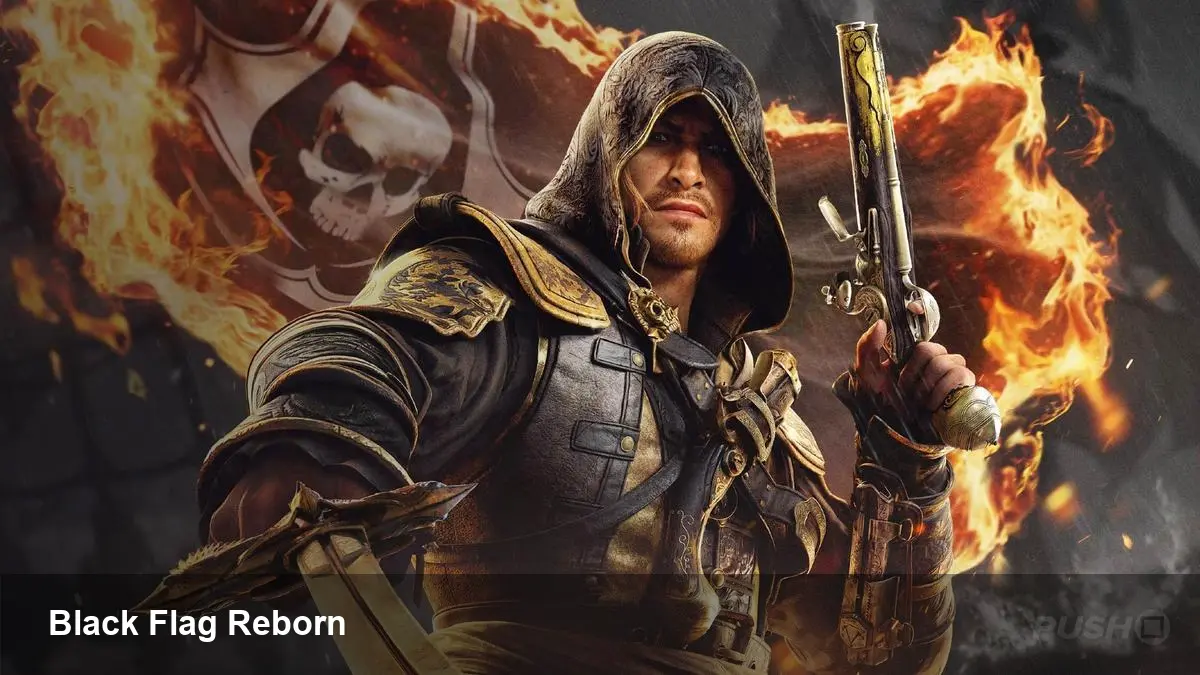
A familiar pirate voyage, rebuilt for modern consoles
Ubisoft's decision to bring one of its most beloved open-world entries back to current hardware has already paid off: Assassin's Creed Black Flag Resynced is driving strong PS5 pre-order numbers in both the United States and the United Kingdom. The renewed interest in Edward Kenway's Caribbean sandbox highlights a few clear trends in gaming — nostalgia sells, technical updates matter, and legacy franchises still have commercial muscle.
The product and the studio behind it
Assassin's Creed IV: Black Flag first launched in 2013 and helped define the franchise’s naval combat and open-world exploration. Ubisoft, the long-running French studio behind the series, has leaned on remasters and refreshed editions to keep older entries discoverable on new platforms. "Resynced" positions this release as more than a simple texture swap; it promises a modernized experience tuned for the PS5 generation.
From the player perspective, a remaster like this usually targets higher resolutions, steadier frame rates, improved draw distances, better lighting, and updated input responsiveness — the kind of upgrades that make a decade-old game feel current without changing core gameplay. On top of that, publisher-driven re-releases often bundle quality-of-life improvements for things like UI scaling, accessibility, and platform-specific features (fast load times, activity cards, or DualSense support on PlayStation).
What players are actually excited about
- Naval gameplay that holds up: Black Flag’s ship combat and exploration are the headline attractions. A smoother frame rate and clearer visuals make exploration — sailing between islands, hunting, or pursuing privateer missions — feel more immersive.
- Modern conveniences: Faster loads, modernized controls, and curated difficulty tweaks reduce friction for returning players and newcomers alike.
- Nostalgia plus discovery: Older fans want to relive the story, while new players see an accessible entry point into Assassin’s Creed history without jumping between older consoles.
Concrete scenario: a player who missed Black Flag on last-gen hardware can now pre-order the PS5 edition, experience near-instant load times between towns and ship combat, and stream or capture gameplay in higher fidelity — giving creators new material for Let’s Plays and retrospective videos.
What this means for developers and studios
Remasters are efficient revenue generators when compared with building new titles from scratch. They reuse mature codebases and art assets while leveraging current-gen tooling to improve performance. For developers, this means:
- Lower engineering risk: Updating shaders, LOD systems, and physics tuning is far less risky than designing a new IP.
- An opportunity to modernize architecture: Ports to PS5 can expose legacy systems to newer middleware and profiling tools, paving the way for future projects to adopt the same improvements.
- Community goodwill (if done right): Thoughtful enhancements that respect the original design can rekindle player enthusiasm and extend the lifecycle of franchise content.
That said, remasters also bring expectations. Fans increasingly expect parity across platforms, bug fixes that were long-standing, and sometimes newly included DLC. If a remaster is perceived as shallow packaging rather than a genuine polish, the PR cost can outweigh the short-term sales bump.
Business and marketplace implications
Black Flag Resynced topping PS5 pre-order charts in major markets signals a few commercial realities:
- Catalog value is real: Major publishers can continue to monetize past successes while investing in new entries.
- Pre-orders as a signal: Strong pre-order performance on digital storefronts like the PlayStation Store helps shape marketing and inventory decisions, especially for physical editions or collector bundles.
- Cross-promotion leverage: A successful remaster boosts interest in the franchise overall, which can help drive adoption of season passes, companion titles, or subscription services that include older games.
For Ubisoft specifically, this roll-out aligns with a broader strategy of maintaining high-profile IP visibility between new releases. It’s a low-friction way to keep players engaged and to surface past storylines for newcomers who may later purchase newer mainline entries.
Technical trade-offs and limitations to watch
Not every legacy game adapts cleanly to modern hardware. Common challenges include:
- Engine constraints: Some old systems were built around hardware quirks not present on modern consoles, requiring rework rather than simple scaling.
- Asset gaps: Textures and models may be too low-res to look good at native 4K without substantial upscaling or reauthoring.
- Multiplayer and online components: If the original relied on now-defunct services, restoring online features can be costly.
Buyers should temper expectations: a remaster enhances presentation and performance, but it typically does not change the foundational game loops or narrative structure.
How players and creators can get the most out of it
- Wait for reviews and patch reports if you want a polished experience on day one; pre-order demand is an early indicator, but not a guarantee of flawless launch performance.
- Creators can plan content drops around the remaster’s release to capitalize on renewed search interest for Black Flag playthroughs and retrospectives.
- Modders and preservationists should monitor how asset upgrades are handled; improved formats can make preservation easier but may also close doors on old modding pipelines.
Future implications: three quick insights
- Remaster-first cadence: Major publishers will likely continue alternating big new releases with high-profile remasters to manage studio workloads and revenue cycles.
- Player expectations rise: As more remasters provide meaningful upgrades, players will demand deeper improvements (reworked UI, accessibility options, and integration with platform features) rather than simple visual boosts.
- Preservation becomes strategic: Publishers will increasingly treat back catalogs as assets to be curated and monetized, which could spur better archival practices and partnerships with preservation initiatives.
Black Flag Resynced’s strong PS5 pre-order showing is as much a business signal as it is a reflection of fan enthusiasm. For players, it’s a chance to revisit or discover a standout moment in open-world design; for studios, a reminder that smartly executed refreshes remain a valuable tool in a franchise toolbox.