When an NFT Game Burns Out: Inside Legacy's Crash

A high-profile experiment that unraveled fast
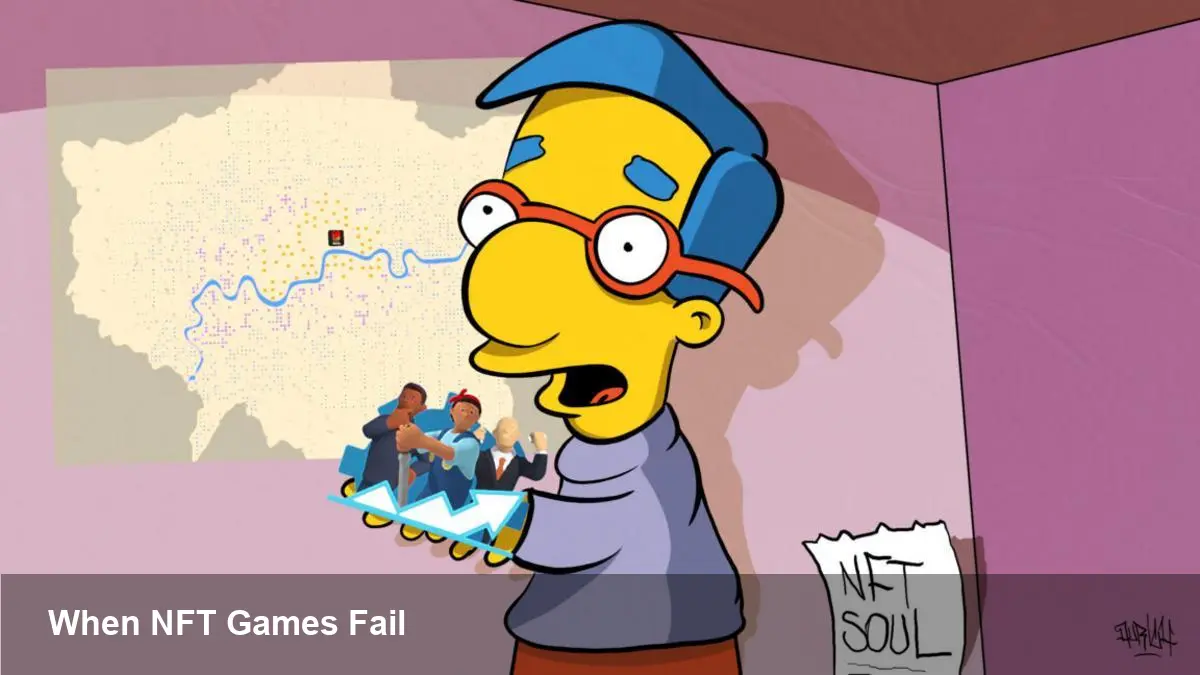
Veteran designer Peter Molyneux lent his name and reputation to an ambitious play-to-earn title built around NFTs. Early sales generated significant revenue as players and speculators bought digital assets tied to in-game items, land and collectible characters. But within weeks the ecosystem around the game collapsed: trading volumes plunged, promised features missed deadlines, and assets that had been marketed as investable lost most of their secondary-market value.
This isn’t just a story about one product failing. It’s a cautionary tale that should matter to developers, founders and anyone thinking of placing real money into blockchain-based games.
What the game offered — and why players bought in
The pitch for many NFT games is familiar: limited-run digital goods confer in-game utility and can be resold on open marketplaces. For buyers the appeal is twofold: ownership of scarce items plus the potential for financial upside if demand rises.
In this case the project launched a set of NFTs tied to gameplay functionality and minted them in bulk. Marketing emphasized scarcity and celebrity involvement, and early adopters rushed in. That initial demand inflated prices and created an illusion of sustainable interest.
Where the model failed
Several structural issues turned an initially promising launch into a rapid failure:
- Misaligned incentives: The model often prioritized upfront NFT revenue over a long-term feedback loop of engagement, retention and organic monetization. Selling scarce items before a compelling playable product exists concentrates risk on buyers.
- Unproven tokenomics: Promises of future “earn” mechanics without detailed, stress-tested economic models left room for cascading price declines when real-world player behavior didn’t match projections.
- Liquidity mismatch: Early speculators bought expecting a functioning secondary market. When trading volumes dropped, sellers flooded listings and prices collapsed, leaving many holders unable to exit at close to purchase price.
- Product reality lagging marketing: When gameplay, content updates and matchmaking failed to meet expectations or timelines, confidence vanished. In blockchain projects, confidence and network effects are as important as technical code.
- Customer support and governance vacuum: Complaints about missing features and unusable NFT utility exposed a lack of transparent governance and inadequate channels for remediation.
Real-world player scenarios
Imagine three typical users:
- The speculator: Bought rare NFTs at launch purely to flip them. When the marketplace stopped attracting buyers, prices dropped 80–95%. With no liquidity, the speculator is stuck holding near-worthless tokens.
- The player-investor: Spent months preparing to play, paid for in-game land and items expecting income via staking or play-to-earn rewards. The reward mechanisms were delayed or never fully implemented, turning anticipated income into sunk cost.
- The hobbyist: Bought a cosmetic NFT to support the developer and enjoy the game. Even if they found the game enjoyable, the social experience suffered once player counts fell and community tools disappeared.
Each profile highlights different kinds of harm: financial loss, time wasted, and diminished entertainment value.
Practical steps for players and buyers
If you’re considering purchasing NFTs or tokens tied to a game, treat it like a speculative financial decision with higher-than-normal risk:
- Verify the playable product exists in a meaningful alpha/beta form before paying for scarcity.
- Study the tokenomics: who captures fees, where do rewards come from, and what limits token supply and demand?
- Check secondary-market liquidity and historical volumes. High initial floor prices with zero turnovers is a red flag.
- Avoid buying in solely because of celebrity involvement. Endorsements don’t guarantee product quality.
- Budget purchases as money you are willing to lose; avoid using funds you can’t afford to write off.
Design and business lessons for developers
For creators and founders building blockchain games, the collapse offers several concrete takeaways:
- Release a playable core first. Sellables should enhance an active community rather than prop up early-stage funding expectations.
- Design defensible tokenomics with conservative assumptions and stress tests against player churn.
- Use gradual monetization: staggered minting, lockups, and vesting can reduce early dumps and give developers runway to deliver features.
- Prioritize governance and transparency. Publish roadmaps, hold regular AMAs, and provide clear refund or remediation policies where applicable.
- Anticipate reputation costs. Fast revenue can produce long-term brand damage if the community feels burned.
Legal and operational hazards to watch
The blurred line between collectible and investment has regulatory consequences. Projects promising financial returns risk being treated like securities in some jurisdictions. Additionally, consumer-protection laws and class-action risks increase when buyers incur large losses tied to specific promises. Teams must work with legal counsel early and avoid language that guarantees profit.
Operationally, running a hybrid game/blockchain product requires capabilities across product management, server infrastructure, marketplace integrations, and community operations. Understaffed teams that overcommit can undo months of goodwill in days.
What this episode means for the future of play-to-earn
1) Consumer skepticism will rise. High-profile failures push players back toward traditional gaming models unless new projects demonstrably prioritize playability and user protection.
2) Expect smarter tokenomics and better launch tactics. Teams that survive will be those that design sustainable reward curves, implement lockups, and build real demand through engaging gameplay.
3) Regulatory pressure will grow. Policymakers are watching cases where real money is lost en masse; clearer rules and disclosure standards for NFT drops and token sales are likely.
Practical recommendation for founders and investors
If you’re building or funding an NFT-enabled game, treat the blockchain component as a feature, not the business plan. Invest first in gameplay that keeps players coming back; only then layer scarcity and tradable assets on top. When selling tokens or NFTs, design mechanisms that align early buyers’ incentives with long-term community health.
For players and buyers, skepticism is healthy: ask for playable demos, transparent metrics, and slow launches. The next generation of successful projects will be the ones that put fun and sustainability ahead of headlines and quick cash.
Play-to-earn isn’t dead, but projects that treat speculation as a substitute for design will continue to fail. The industry can recover — if its builders learn to make games people want to play first, and investments second.