Pragmata’s Launch: Strong Sales, Thin Player Base

Why this launch is interesting
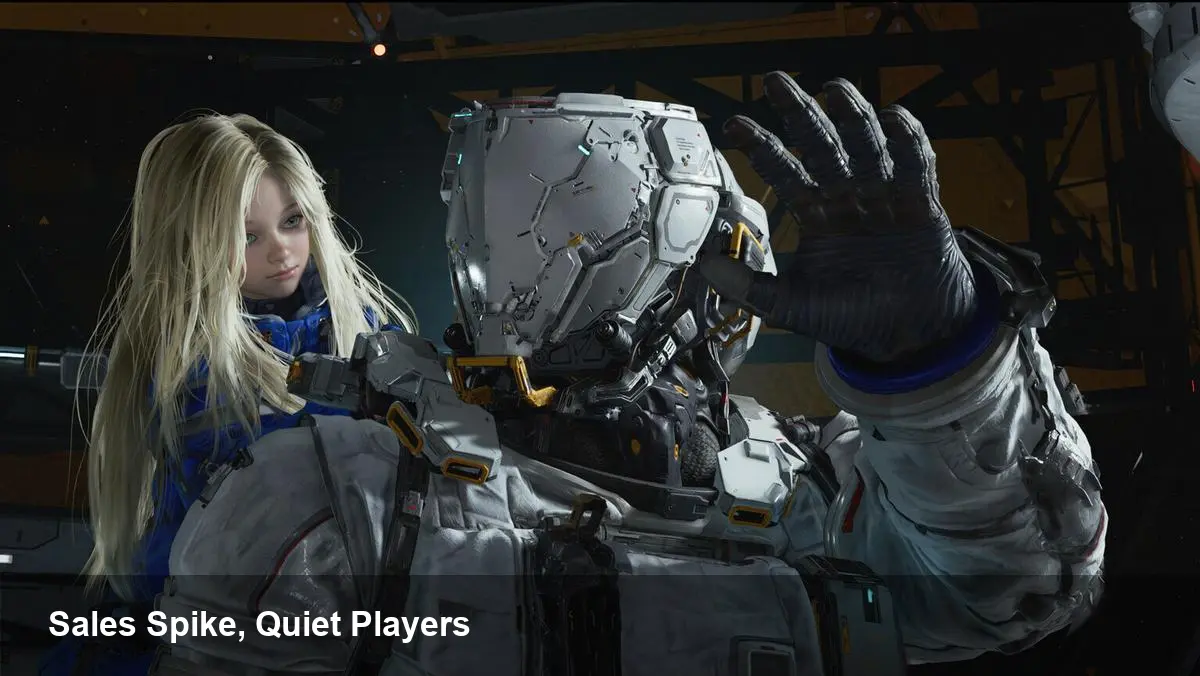
Pragmata debuted across Steam, PlayStation 5, Nintendo Switch 2, and Xbox Series consoles to a lot of attention. On day one it shot into digital sales charts and generated positive coverage, but some of the player activity signals—concurrent users, daily active users and streaming viewership—haven't matched the commercial momentum. That split between headline sales and quieter player numbers offers a useful case study for studios, publishers and founders thinking about launches, long-term engagement and revenue quality.
Sales charts vs. active players: different truths
It's tempting to treat a high position on storefront charts as the same thing as a healthy community. They overlap, but they measure different behaviors:
- Sales charts are snapshots of purchase velocity: preorders, day-one buys and marketing-driven spikes. They reflect revenue, PR success and the effectiveness of promotional windows.
- Concurrent player counts and DAU/MAU measure live engagement: who’s actually in the game, streaming, forming communities and staying for repeat sessions.
A game can rank first in sales without creating a sustained, active population. Reasons include strong pre-launch hype, successful influencer marketing, or a large base of single-player buyers who don't remain active after finishing the campaign.
What likely happened with Pragmata
Looking at the pattern—wide platform availability (Steam, PS5, Switch 2, Xbox Series), heavy pre-launch exposure and early positive reviews—several plausible dynamics are at play:
- High initial purchases: bold marketing, recognizable visuals or a novel premise brought many players to buy early.
- One-off play sessions: if a significant portion of buyers are interested in a single-player story or a fixed-length experience, concurrent numbers drop after the opening week.
- Platform fragmentation: simultaneous releases across PC and three console generations can dilute cross-play chatter and complicate matchmaking, which depresses social retention in multiplayer-oriented sections.
- Discovery vs retention: being visible on storefronts drives sales; keeping visibility in months two and three requires content updates, community features or multiplayer hooks.
These factors can create a launch where revenue looks healthy, but the player ecosystem isn’t scaling in ways that sustain long-term monetization or social growth.
Practical implications for developers and publishers
For studios shipping ambitious cross-platform titles, this split should change how you plan launch and post-launch strategy.
- Track the right KPIs: Revenue-per-day is important, but monitor Day 1→Day 7→Day 30 retention, average session length, percent of players who reach endgame content, and community growth (Discord, subreddit, streaming viewership).
- Reassess monetization timing: If most revenue comes from early sales, consider timing DLC, expansions or cosmetic drops so they align with actual engagement, not just preorders.
- Prioritize live ops and updates: Frequent, meaningful updates (bug fixes, balance patches, new levels or modes) help convert early buyers into long-term players. If you don’t have a live-ops roadmap, your store visibility will likely collapse after the initial promotion.
- Invest in platform parity and communication: Simultaneous multi-platform launches are powerful for headlines but risky for player experience. Clearly communicate performance differences between platforms, and roll patches on a schedule that keeps cross-platform communities moving together.
Concrete scenarios and actions
Scenario 1 — Single-player slant: If your analytics show a large percentage of players complete the main campaign within two weeks, pivot marketing toward community-driven reasons to return: new challenge modes, speedrun leaderboards, or curated mod support for PC.
Scenario 2 — Multiplayer friction: If concurrent players are low because matchmaking times are long, lower the matchmaking thresholds temporarily, add bots, or introduce asynchronous competitive modes so more players can participate without waiting.
Scenario 3 — Platform performance gaps: If the Nintendo Switch 2 port or older hardware variants feel underpowered, schedule a performance patch and launch a “benchmarked” PR push showing the improvements. Perception of quality matters as much as actual bug counts.
Business consequences to watch
- Short-term revenue can mask fragile longevity. Strong day-one sales may satisfy investors briefly, but if engagement decays quickly you risk weak DLC uptake and limited long-tail revenue.
- Public sentiment matters. Early positive reviews help sales, but social platforms drive longer-term discovery. If streaming numbers are low, earned media dries up faster.
- Cost of re-acquisition goes up. If you lose players after launch, bringing them back later (through discounts or events) is often costlier than keeping them through solid post-launch content.
Two-way opportunities
There are also upside moves to convert a headline launch into a stable, growing franchise:
- Introduce bite-sized multiplayer or co-op experiences that encourage repeat sessions without overhauling the original design.
- Lean into cross-platform social features: cross-save, shared events, unified leaderboards and synchronized content updates reduce community fragmentation.
Looking ahead: three strategic takeaways
- Launch success metrics must be layered. Treat sales charts, concurrent players and retention as complementary signals—no one metric should dominate your narrative.
- Build a one- to three-month live-ops roadmap before launch. If you wait until metrics tank, you’ll be reacting instead of shaping the community.
- Optimize for discoverability and stickiness. Store placement moves people to buy; product design and community programs keep them.
Pragmata’s case is a reminder that a cover-story launch and a living game are different products. Sales headlines get attention; community health builds franchises. For teams and founders, aligning marketing, product and live-ops before and after launch is the practical lever for turning initial hype into sustained success.