Playing Pragmata: What to Expect on Launch

A fresh Capcom entry with familiar DNA
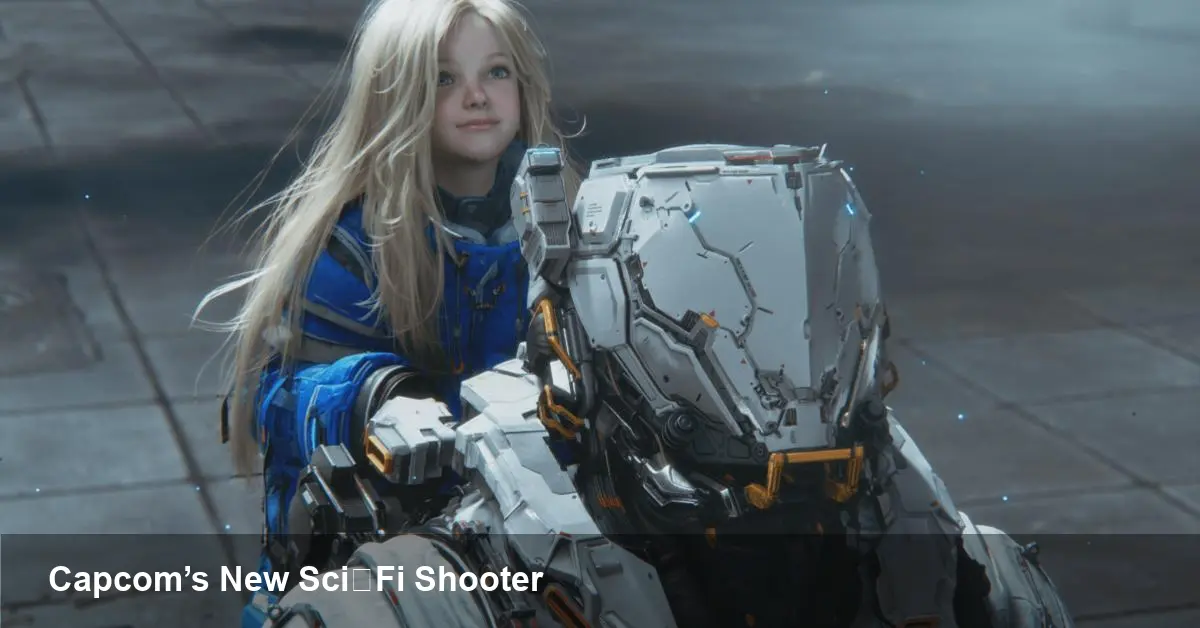
Capcom is known for high‑polish action and horror franchises, and Pragmata is its latest leap into a cinematic sci‑fi shooter. Arriving April 17 on Switch 2, PS5, Xbox, and PC, Pragmata will be judged not just on story and combat but on how well it translates across very different hardware — from handheld hybrid consoles to high‑end gaming rigs.
This piece looks beyond press images to practical implications: what players should expect on each platform, how developers approach cross‑generation releases, and why the title matters for Capcom’s roadmap.
Platform realities: Switch 2 vs PS5/Xbox/PC
Launching simultaneously on consoles with very different power ceilings creates immediate questions about parity, control, and performance. Here are the tradeoffs to expect:
- Switch 2 (hybrid): Expect more aggressive scaling — lower native resolution, simpler lighting, and reduced draw distance — to hit portable thermals and battery life targets. Features like hardware ray tracing are unlikely to be present or will be heavily optimized. The benefit is mobility: a full‑fidelity Capcom experience on the go, at the cost of visual fidelity and possibly frame stability.
- PS5 and Xbox Series X/S: These platforms typically offer a balance of high resolution, ray tracing, and frame‑rate modes (quality vs performance). On PlayStation, features tied to the DualSense (adaptive triggers, haptic micro‑vibrations) may be used to deepen immersion; Xbox may lean on Quick Resume and smart delivery conveniences. Expect a performance mode (60fps) and a visual mode (30–45fps) on base consoles.
- PC: The most variable experience. On capable GPUs you’ll likely see maxed effects, unlocked framerates, and support for upscalers like DLSS/FSR. For competitive players and content creators, PC will be the target platform for capture, higher refresh rates, and mod potential.
Concrete example: a gameplay sequence with dense particle effects and dynamic lighting might run at 30fps with ray tracing on PS5, scale back lighting and run at 60fps in a performance mode, and on Switch 2 render at a lower resolution with simplified particle systems but retain the same scene layout and pacing.
Player experience: controls, immersion, and sensory design
How a game feels is as important as how it looks. Pragmata's appeal will depend on control mappings and sensory feedback:
- Controllers: DualSense’s haptic and trigger tech can make weapon handling and environmental interactions more tactile. Nintendo’s Joy‑Con/Haptics flow differently and will require different design emphasis to preserve nuance.
- Audio mix: On portable devices, spatial audio may be less distinct than on TV/headphone setups. A solid adaptive audio mix that prioritizes clarity of enemy cues and mission objectives will help bridge the gap.
- Accessibility and settings: Expect toggles for aim assist, subtitle scaling, framerate targets, and HUD complexity. Cross‑platform releases benefit from exposing these settings early in development to accommodate diverse play styles.
How Capcom (and other studios) ship cross‑gen titles
Releasing on multiple platforms in 2026 involves a layered workflow:
- Asset scaling: High‑res textures, dense meshes, and complex shaders are created first, then scaled down for less powerful hardware through automated and manual LOD workflows.
- Engine features: Modern engines let teams enable or disable advanced features per platform (ray tracing, volumetrics, physics) while keeping gameplay deterministic. This lets the same content run with different visual fidelity.
- QA and certification: More platforms mean exponential QA time. Expect platform‑specific bug patches post‑launch. For studios, maintaining separate build branches across console firmware, handheld battery profiles, and PC driver variations is a major cost center.
Practical example: A studio might build a single master level with three visual profiles. Artists and engineers work from the master, then use platform‑specific pipelines to produce optimized versions. Playtesting happens on all three profiles to ensure parity of mechanics.
Business and strategic angle
For Capcom, Pragmata is both a product and a signal. Releasing across Switch 2, PS5, Xbox, and PC widens the market reach, which matters for recouping development costs and building a new IP. A simultaneous cross‑platform launch also reduces fragmentation of the player base in the early weeks, helping community momentum.
However, there are tradeoffs. Multi‑platform launches can dilute the ‘wow’ moment on any single hardware showcase, and they increase the risk of uneven reviews focused on the weakest version. Post‑launch support and patches will be critical to restore confidence if any platform lags.
Limitations and likely compromises
No multi‑platform release is without concessions:
- Visual parity myth: “Same content” often means shared level design and narrative but different rendering and effects.
- Feature divergence: Haptics, frame rate targets, and certain engine features will vary.
- DLC and live‑ops planning: Ongoing content must be tested and validated across all targeted platforms, slowing cadence or increasing ongoing costs.
Being realistic about these tradeoffs helps set expectations: players should compare platform versions on the grounds that matter to them — visuals, performance, portability, or ecosystem perks.
Three forward‑looking implications
1) Cross‑platform engineering will stay central. Studios that build automated scaling pipelines and platform‑specific QA tools will ship faster and with fewer regressions.
2) Portable premium experiences change expectations. Switch 2’s presence in a high‑profile release signals that handheld hardware is expected to host flagship titles, pushing developers to think smaller without losing design intent.
3) Sensory differentiation matters more than ever. Where visual parity is impossible, teams will lean on audio design, tactile feedback, and narrative beats to deliver consistent emotional impact.
How to decide which version to buy
If visuals and high frame rates matter most, PC or a current‑generation console is the safer bet. If you value portability and playing on the go, Switch 2 provides unique convenience even if it offers a toned‑down presentation. Consider platform exclusives, controller preferences, and whether you plan to stream or capture footage.
Pragmata’s launch is a reminder that modern game releases are as much about engineering and platform strategy as they are about story and design. For players, understanding those tradeoffs makes for smarter purchases; for developers, it underscores why cross‑platform tooling and early QA are non‑negotiable.
If you’re planning to play at launch, pick the platform that matches how you want to experience the game: full fidelity, high framerate, or flexible portability. Each choice comes with a different but valid way to experience Capcom’s new sci‑fi world.