Microsoft pivots back to Xbox branding

A strategic rebrand with product-level consequences
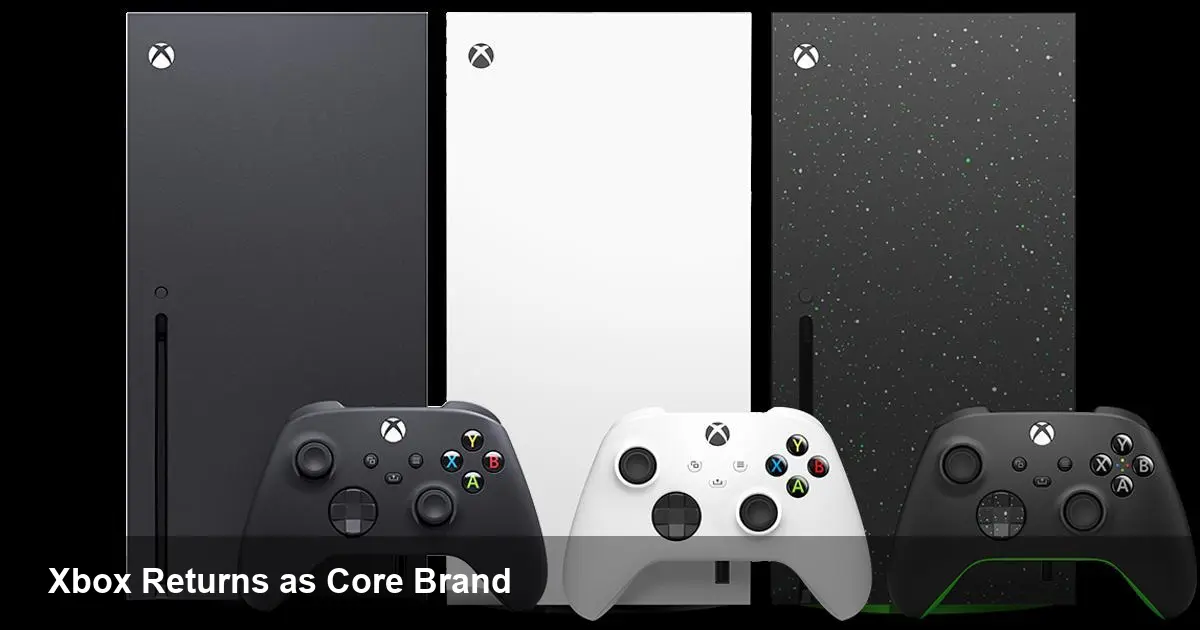
Microsoft has signaled a subtle but meaningful shift: the gaming arm that had been operating under the broader corporate label is refocusing public-facing efforts under the Xbox name. The move is being driven by the division’s leadership — including CEO Asha Sharma and Chief Commercial Officer Matt Booty — who say the change better reflects the organization’s ambitions beyond internal structure.
This isn’t just a cosmetic logo swap. For players, platform partners and developers, reverting to the Xbox identity clarifies which consumer-facing experiences Microsoft intends to own and expand: consoles, Game Pass, cloud play, first-party studios and the Xbox storefront.
Why the company is making the change
There are three practical reasons behind the pivot:
- Brand clarity: Xbox is one of the most recognizable gaming brands globally. Folding consumer messaging back into Xbox reduces friction in marketing and makes product stories easier to tell to players.
- Consumer-first positioning: The Xbox name aligns directly with products that gamers interact with daily — controllers, consoles, the Xbox app, Game Pass — reinforcing a unified ecosystem in consumers’ minds.
- Commercial leverage: For subscription and partner deals (notably Game Pass and cloud partnerships), a single, identifiable brand simplifies negotiations and campaigns.
Asha Sharma has framed the shift as an effort to align the organization’s outward identity with what it wants to accomplish in the market. Matt Booty, focused on commercial partnerships, has emphasized that a clear brand helps external partners understand where Microsoft’s consumer gaming priorities lie.
How players will notice the change
End users should expect incremental, visible changes rather than a dramatic service overhaul:
- Interface and labeling: Expect Xbox-first language and Xbox-branded assets to take greater prominence across the Xbox app on PC, Microsoft Store listings for games, and cloud-play landing pages.
- Marketing and bundles: Xbox will likely be the headline brand for Game Pass promotions, console launches, and subscription bundles, making it simpler for customers to associate services with a single ecosystem.
- Cross-device signaling: PC and cloud gaming placements may highlight Xbox as the entry point even when players aren’t on an Xbox console, reinforcing platform continuity.
For most players, functionality — titles available on Game Pass, save sync, cross-play — should remain intact. The change is aimed at reducing confusion over who owns and runs those experiences.
What developers and studios should prepare for
Product branding shifts often ripple into operational expectations. If you build or publish games, here are practical implications:
- Marketing alignment: Expect Xbox marketing resources and co-marketing opportunities to be routed through Xbox channels. Coordinate messaging with Xbox partners early to benefit from unified campaigns.
- Platform integration: Microsoft will likely intensify focus on platform services under the Xbox banner (Game Stack, Xbox Live services, cloud streaming performance). Prioritize the SDKs, telemetry hooks and certification flows tied to those platforms.
- Monetization and distribution: Game Pass remains central to Microsoft’s strategy. Studios should update financial models to reflect subscription-driven exposure and the potential trade-offs between Game Pass placement and traditional storefront sales.
Concrete scenario: an indie studio negotiating a Game Pass slot should prepare materials that emphasize live-ops, retention metrics and cloud performance. Xbox will be looking for titles that can thrive in subscription environments and scale across devices.
Business and industry implications
Re-centering on Xbox has a few broader effects for Microsoft and the market:
- Competitive clarity: Reasserting Xbox as the consumer-facing entity sharpens Microsoft’s competitive posture against Sony and Nintendo, where a single brand drives both hardware and services.
- M&A and studio identity: Subsidiary studios (first- and second-party) will likely be marketed more visibly as part of Xbox, which can simplify messaging but also increase expectations for exclusivity or ecosystem prioritization.
- Regulation and perception: Whenever Microsoft reorganizes or emphasizes a single brand, regulators and industry observers watch how that affects platform power — especially around bundling and subscription leverage.
Practical checklist for teams (developers, publishers, marketers)
- Audit your store presence: Make sure marketplace descriptions, banners and metadata align with Xbox terminology and marketing calendars.
- Test Xbox platform services: Verify cloud performance and telemetry integration on Xbox Live and Game Stack before commercial windows.
- Revisit commercial models: If you rely on storefront sales, model scenarios where Game Pass visibility complements or cannibalizes direct revenue.
- Coordinate PR and creative: Work with Xbox partner teams to synchronize trailer drops, Xbox Store feature slots, and Game Pass announcements.
Three implications for the next two years
- Subscription-first design pressures will increase: Expect more investment in retention features, live operations and cross-device parity as Game Pass continues to be central to Microsoft’s go-to-market strategy.
- Platform tooling will consolidate: Developers should anticipate deeper integration points in Xbox developer tooling (Build, Play, Live services) and a push to make cloud-ready titles easier to ship.
- Consumer messaging will tighten around ecosystem value: Microsoft will likely market cross-device continuity — buy once, play anywhere — under a single Xbox narrative, which benefits titles that work seamlessly across console, PC and cloud.
What to watch next
Look for changes in how Microsoft packages Game Pass offers, how the Xbox brand appears on non-console platforms (Windows, mobile web/cloud interfaces), and any updates to developer incentives that prioritize Xbox-first or Game Pass-ready titles.
This move refocuses Microsoft’s public gaming identity onto the brand most players already associate with its entertainment efforts. For teams inside and outside Microsoft that rely on the company’s ecosystem, treating Xbox as the primary commercial and technical partner will be the clearest way to adapt.