Metro 2039 — 4A Games Recasts Metro From a Ukrainian Lens

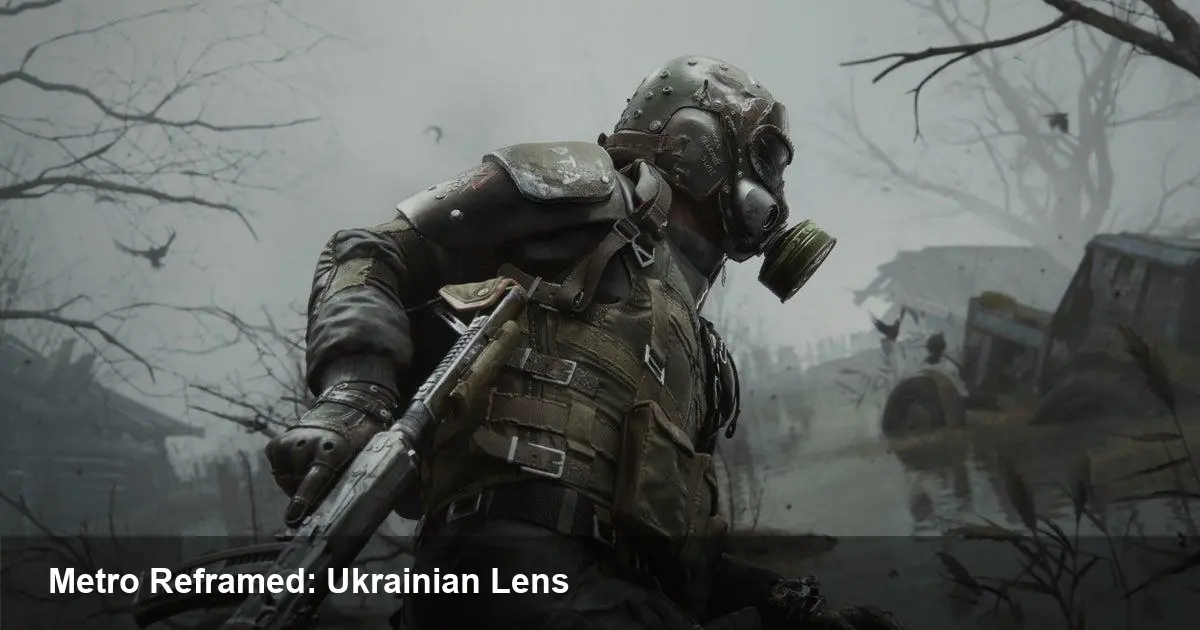
A new chapter in a familiar underground
4A Games has announced Metro 2039, the next entry in its long-running post‑apocalyptic shooter series. The studio is taking the franchise back beneath Moscow’s ruined streets and into the claustrophobic tunnels that defined Metro’s identity, but this time the story is explicitly shaped by Ukraine’s recent experience of war. That shift in narrative point of view is the headline: developers who once adapted Dmitry Glukhovsky’s novels are now drawing on living memory and national trauma to inform gameplay, tone and worldbuilding.
Why this matters beyond lore and marketing
The Metro franchise is known for atmosphere, tight combat, survival mechanics and morally ambiguous storytelling. Reorienting the series around a Ukrainian perspective is more than a creative choice — it changes how the game will approach character motivations, environmental storytelling, and even mechanical design. Players can expect:
- Different cultural and emotional touchpoints in NPC dialogue and side missions.
- New environmental details referencing recent history, rather than purely speculative fiction.
- A potential hardening of the game’s political contours, which affects reception in different regions.
For developers and publishers, that means balancing authenticity with market considerations: crafting a game that resonates with players familiar with the conflict while managing distribution, localization and regulatory risks in certain countries.
What the studio background contributes
4A Games has built its reputation on immersive, technically ambitious shooters. The original Metro titles married first‑person combat with stealth and survival in a tightly realized setting. The studio’s development pedigree gives Metro 2039 credibility when it comes to atmosphere and systems design — players should anticipate high production values in sound design, lighting and level layouts that leverage the tight tunnel spaces for tension.
At the same time, the studio’s origins and recent history inform this installment. With team members whose lives have been touched by the conflict, the writing and art direction will likely reflect those perspectives in ways a neutral editorial lens would not. That directness can heighten the game’s authenticity while also inviting conversation and scrutiny.
Gameplay scenarios that build on lived experience
Here are concrete examples of how Metro 2039 could differ mechanically and narratively from previous entries:
- Scavenging under different constraints: instead of generic resource scarcity, scavenging missions might emphasize items tied to civilian life — photos, ration slips, medicines — which unlock memory scenes or alter NPC trust.
- Moral choice with immediate human consequences: decisions that used to move alignment meters could now change the fate of specific community hubs (e.g., a makeshift clinic) and shift available resources for later missions.
- Environmental storytelling anchored to real events: destroyed posters, overheard recordings, and graffiti that references contemporary people or movements give levels a documentary texture rather than pure speculative fiction.
These sorts of changes make the gameplay mechanics carry narrative weight in a way that can deepen player investment, but they also require careful design to avoid exploitation or simplified political messaging.
Development workflow: sensitivity, authenticity and craft
When a studio centers a recent conflict in its narrative, standard development processes often expand to include new disciplines:
- Onboarding consultants and cultural experts to advise on representation.
- Sensitivity reads for script and mission design to avoid unintentionally harmful portrayals.
- Community engagement with Ukrainian voices for authenticity, whether through in‑house hires, partnerships, or advisory boards.
For teams, this means more cross‑disciplinary coordination: writers, narrative designers, and technical artists will work closely with historians, translators and subject matter experts to bake authenticity into assets and mechanics. That process can lengthen production and raise costs, but it generally improves reception among players who care about credible worldbuilding.
Business and distribution implications
A creatively bolder Metro title brings practical business questions:
- Regional reception: explicit alignment with Ukraine’s perspective could complicate distribution in countries sympathetic to the other side of the conflict, or where content is regulated. Publishers need strategies for regional certification and marketing.
- PR management: the studio and publisher must prepare for polarized reactions online. Transparent communication about the game’s intentions and the development process helps, as does highlighting contributions from Ukrainian creators.
- Funding and partnerships: games that engage with real geopolitical events may attract interest from cultural funds, non‑profit grants, or institutions seeking to preserve narratives — a possible revenue or PR channel beyond traditional retail.
Community, modding and longevity
Metro titles have historically enjoyed modding and community storytelling. Metro 2039’s lived‑experience focus poses both opportunities and constraints. Modders can extend the game’s world with additional scenarios and locales, but community creators will need to consider ethical lines when reworking content tied to recent trauma. The studio can encourage responsible mods by providing tools and moderation guidelines, fostering a community that expands the world without trivializing its subject matter.
Three implications for the industry
- Games as contemporary record: Metro 2039 underscores how interactive media can attempt to document or interpret ongoing events, blurring lines between entertainment and cultural memory.
- Increased demand for editorial rigor: More teams will need cultural consultants and sensitivity workflows when they tackle modern conflicts, making those processes a standard part of AAA production.
- Market segmentation risk: Artistic authenticity can strengthen core audience loyalty but may reduce market reach in certain regions — companies will need nuanced commercial strategies.
What developers and founders should watch
If you’re a studio leader or a game‑tech founder, Metro 2039 offers lessons: invest early in ethical advisory channels, plan for region‑specific release strategies, and consider grant or cultural partnerships to offset the costs of deeper narrative work. From a tech perspective, the tight, atmosphere‑driven design highlights the value of middleware that accelerates lighting, audio occlusion and particle work so teams can focus on narrative complexity rather than reinventing core systems.
Metro 2039 positions the franchise at an intersection of craft and conscience. How players respond will influence whether more studios treat modern conflicts as sources of storytelling and systems design, or whether many developers will continue to avoid explicitly political subject matter. Either way, it’s an example of how studios are increasingly fusing lived experience with interactive design to create games that aim to mean as much as they entertain.