Kiln Launch: What Double Fine’s Spring 2026 Roadmap Means

Why this launch matters
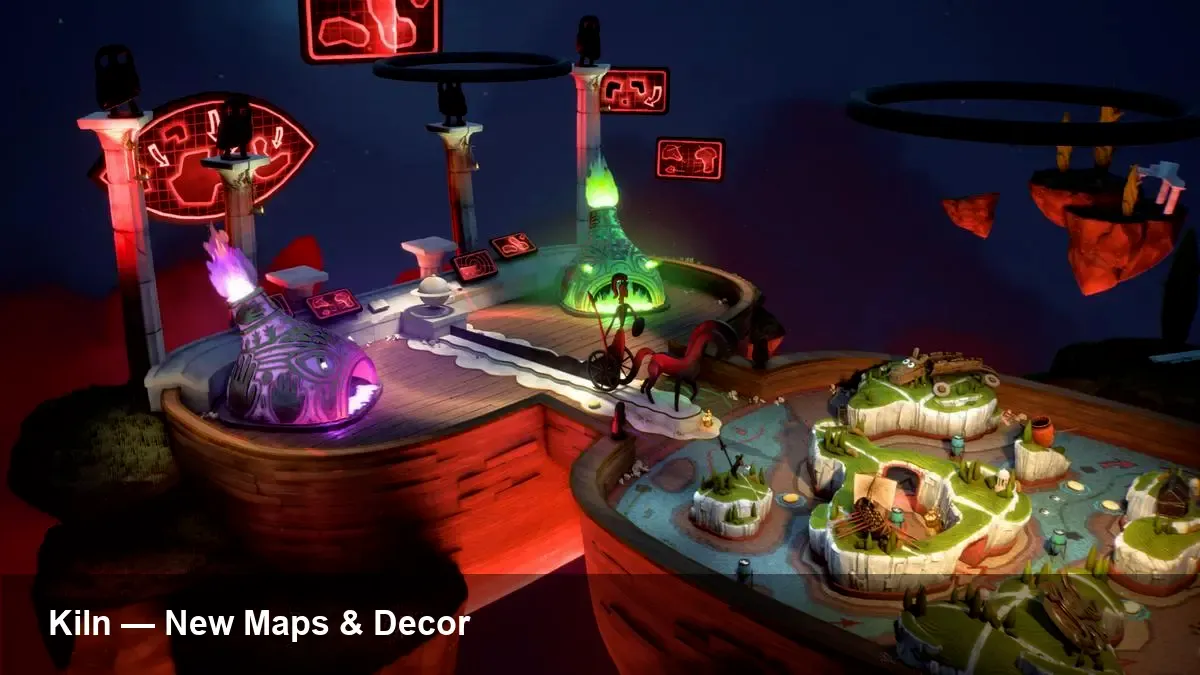
Double Fine is about to release Kiln, and the team has already published a Spring 2026 roadmap that focuses on new maps and in-game decor. For a studio best known for narrative-driven titles, a launch framed with an immediate, structured post-release plan signals a deliberate push into live ops and ongoing content support. That shift has practical implications for players, developers, and anyone watching how mid-size studios evolve their business models.
Quick background: Double Fine and the move toward ongoing content
Double Fine has a long history of character-rich, designer-forward games. Moving into a product that ships with a live roadmap shows the studio embracing a different relationship with its audience: one that extends beyond day-one sales into retention, community building, and iterative content delivery. The Spring 2026 phase — arriving right after launch — includes fresh playable maps and decorative content, which are classic levers for increasing session length and enabling monetization paths that don’t fracture the playerbase.
What “maps and decor” actually mean for players
On the surface, maps change where players play; decor changes how the game looks. In practice those are powerful levers:
- New maps: Alter gameplay flow, introduce fresh choke points or objectives, and reset the meta that forms around launch maps. Well-designed map kits can boost matchmaking time and keep competitive tiers moving.
- Decor updates: Cosmetic items, seasonal skins, themed hubs, and environmental polish that give players reasons to return. Decor isn't just fluff — it’s a social signal and a monetization channel that keeps economies healthy without paying-to-win mechanics.
Concrete scenario: imagine a community that has plateaued on a three-map rotation. Introducing two new maps in Spring 2026 can rapidly revitalize matchmaking pools, encourage streamers to showcase novelty, and give competitive players new strategies to explore. Simultaneously, limited-time decor tied to the same release creates scarcity and social visibility, amplifying the update’s reach.
How this roadmap affects players and communities
- Engagement spikes: New maps and seasonal decor can generate measurable bumps in daily active users and watch time on streaming platforms.
- Community-created content: If community tools or mod support exist, players will map rapid tutorials, pin strat guides, and create content around the new levels — amplifying organic discovery.
- Expectations management: Publishing a roadmap sets expectations. If Double Fine keeps a reliable cadence (e.g., map+decor drops each season), the playerbase will plan for returns; if they miss deadlines, trust erodes.
What developers and live-ops teams need to prepare
A post-launch roadmap is as much a commitment as a marketing statement. Here’s what the internal playbook must cover:
- Quality gates and telemetry: New maps require targeted playtests and data collection to avoid introducing balance-breaking or performance-heavy content. Instrumentation must be in place before launch so the team can compare baseline and post-update metrics.
- Release ops: Staggered rollouts, feature flags, and hotfix pipelines reduce risk. For example, pushing new decor to live without changing map geometry allows the team to monitor load and telemetries independently.
- Content-authoring tools: Fast iteration on maps needs robust tooling for level designers. If the roadmap promises quarterly content, the content pipeline must be streamlined to shorten author-build-test cycles.
Business implications and monetization considerations
New maps are rarely direct revenue drivers, but they’re integral to retention, which drives lifetime value. Decor and cosmetics are where revenue shows up without impacting competitive integrity. Design choices matter:
- Free vs. paid: Free map updates keep the player base unified, while cosmetic monetization funds ongoing support. Combining free maps with a paid decor season pass is a proven approach.
- Community goodwill: Double Fine's reputation makes goodwill a valuable asset. Heavy-handed monetization of map access or match-affecting items would risk damaging the brand.
Risks and the trade-offs to watch
- Fragmentation: Charging for maps or fragmenting playlists can thin matchmaking pools.
- Performance regressions: New maps and heavy decor assets can create latency or frame-rate issues on lower-end hardware.
- Scope creep: A public roadmap creates pressure to add scope; teams must be disciplined about MVP releases and follow-up patches.
Practical tips for players and smaller studios
For players:
- Follow the roadmap’s telemetry updates: patch notes and early access previews tell you whether new maps are balance-focused or experimental.
- Engage early in feedback channels: constructive bug reports and replay examples accelerate fixes.
For indie and mid-size studios:
- Ship a predictable cadence, not perfection: regular smaller drops often beat large infrequent ones.
- Invest in tooling upfront: a robust content pipeline reduces long-term operational costs and supports a sustainable roadmap.
Three forward-looking signals
- Live-service maturity: If Double Fine delivers consistent seasonal content, it demonstrates that narrative-focused teams can operate live-service cycles without losing their design DNA.
- Hybrid monetization models will dominate: Expect free gameplay expansions paired with cosmetic monetization. That balance optimizes reach and revenue while protecting fairness.
- Community as co-developer: Roadmaps that welcome player feedback and integrate community-created strategies or assets blur the line between dev and user — and those ecosystems scale discovery.
Kiln’s immediate Spring 2026 roadmap is a small statement with big implications: new maps and decor are tactical moves that, if executed well, can establish a long-tail audience and a steady revenue stream without sacrificing design intent. For players, it promises fresh environments and visual upgrades; for builders and business leaders, it highlights the operational rigor needed to make live post-launch support sustainable. Whether Kiln becomes a model for narrative-driven studios moving into live ops will depend less on the initial content and more on execution, cadence, and community alignment.