Inside Marvel Rivals: How the New Marvel PvP Shooter Works

What Marvel Rivals is and who made it
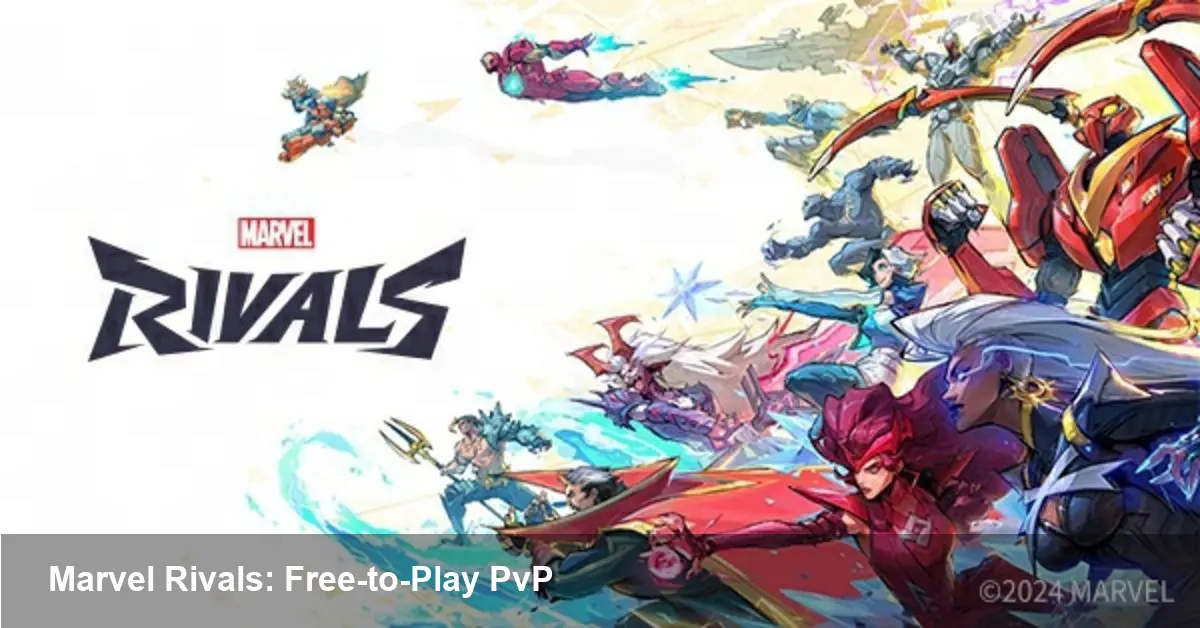
Marvel Rivals is a multiplayer, hero-focused shooter set in the Marvel universe, built as a competitive, team-oriented PvP experience. The project comes from a partnership between Marvel Games — the studio that manages Marvel’s licensed interactive projects — and NetEase, the Chinese publisher-developer that has been expanding aggressively into global live-service games.
Unlike single-player Marvel tie-ins, Marvel Rivals is designed around short, decisive matches that emphasize cooperation, hero synergies, and tactical positioning. One headline aspect of the launch is the game’s approach to roster access: every hero is available to players without a paywall, making the title immediately inviting for newcomers and competitive communities.
Core gameplay loop and player roles
Match types center on objective control, payload-style movement, and localized skirmishes rather than sprawling open-world objectives. Teams of players pick distinct Marvel heroes — each with recognizable abilities and role archetypes — then enter rounds where coordination and counter-picks matter.
Typical role archetypes you’ll recognize from other hero shooters show up here too:
- Frontline/initiator characters who create space and soak damage for the team.
- Damage specialists who output burst or sustained DPS from mid to long range.
- Utility/support heroes who enable mobility, shields, heals, or crowd control.
A big part of the playing experience is composing a squad where abilities complement each other. For example, a crowd-control hero who can lock down an area pairs well with a high-DPS character that can clean up trapped targets. This creates immediate, learnable tactics for both casual and competitive players.
Practical scenarios: how teams win matches
Scenario A — Objective Capture: Your team needs to secure a central control point for a timer. A shield-bearing frontline hero anchors the point while a mobility hero peels for snipers. Communication lets the flank hero bait enemy cooldowns and return with a decisive combo, sealing the capture.
Scenario B — Escort/Payload: When escorting a payload, a disruptor hero can create openings by pushing defenders off high ground. Meanwhile, a long-range damage dealer holds sightlines and punishes overextensions. Rotational awareness and wave management are critical — the winning team often forces opponents into unfavorable timing windows.
These scenarios show how short matches are less about raw aim and more about team-level decisions: when to push, when to trade ultimates, and how to exploit hero matchups.
Business model and accessibility
The game launched as a free-to-play title with a major accessibility decision: the entire hero roster is unlocked for everyone. That removes a frequent gate for competitive play and supports a healthier matchmaking and esports ecosystem by ensuring all players can try any character.
Revenue is likely driven by cosmetics, battle passes, and seasonal content rather than hero gating. That aligns with modern best practices for live service titles: monetize expression and progression instead of competitive advantage.
From a player-acquisition perspective, offering the full roster up front reduces friction. New players can experiment without worrying they need to grind or spend to try a meta pick. For community builders and streamers, this lowers the barrier to content creation around new heroes or balance patches.
Developer and operator considerations
For developers and ops teams, a fully unlocked roster changes how you design progression and balance. Key implications:
- Patch cadence: Players expect frequent balance updates to keep the meta fresh and address overpowered kits quickly.
- New-hero tech rollout: Releasing heroes as immediate additions to all players simplifies matchmaking fairness but increases pressure on QA and server capacity at launch.
- Cosmetic-focused economy: To drive revenue sustainably, skins, animations, emotes, and limited-time bundles must be compelling and regularly refreshed.
Because the title is a PvP shooter built around famous IP, there’s also extra scrutiny on netcode, latency mitigation, and anti-cheat measures. Competitive integrity is central to retention — especially if the publisher wants to seed an esports scene.
For teams and esports organizers
Marvel Rivals’ roster accessibility opens interesting doors for grassroots and pro competition. Tournaments can start without worrying about roster access, and organizers can run trial events that showcase balanced playstyles. That said, a live-service schedule (seasons, hero releases, balance patches) will shape the tournament meta and event timing.
For pro teams, the game’s focus on hero synergy and timing makes coordinated practice valuable: teams that rehearse specific combos, rotations, and clutch trades will outpace solo-skilled opponents.
Limitations and challenges to watch
There are typical risks for a high-profile PvP live service title:
- Monetization balance: Overemphasis on cosmetic aggressiveness or gated convenience might alienate a player base that expects fairness and quick access.
- Matchmaking hygiene: With a large hero pool and varied player skill, maintaining fair ecosystems across regions will be complex.
- Content cadence fatigue: Players appreciate regular updates, but too rapid a pace can lead to burnout, while too slow a pace causes churn.
What this means for the broader market
1) IP-driven PvP can still attract large initial audiences — but long-term success depends on live ops quality. Big-name characters drive discovery, while balanced, fair systems drive retention.
2) Making every hero available immediately lowers acquisition friction and supports competitive scenes. Other live-service publishers may follow if this model proves both popular and profitable.
3) The title will test how well a major publisher+developer partnership can operate cross-region. NetEase’s experience with live games and Marvel’s IP reach create a template for future collaborations between Western IP holders and Asian operators.
How to approach the game as a new player
Jump into arcade or casual modes to sample hero abilities without pressure. Focus on learning one or two heroes across different roles — that knowledge translates to better team play and faster climb in ranked modes. Watch short clips or class guides from streamers to learn common combos and counters.
Whether you’re a competitive player, a streamer looking for fresh content, or a casual Marvel fan, Marvel Rivals aims to deliver short, impactful matches with no hero paywalls getting in the way. Keep an eye on balance patches and seasonal events — those will shape the experience over the coming months.