Inside Assassin’s Creed Black Flag: Resynced Showcase

A quick primer: why Black Flag still matters
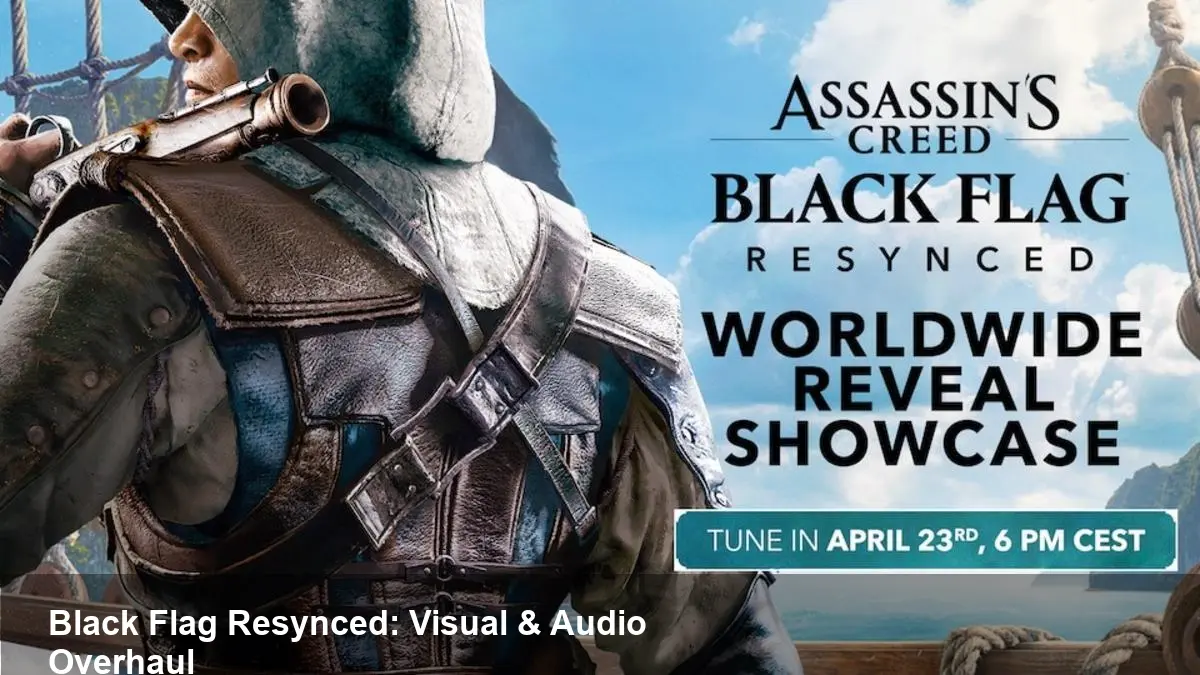
Assassin’s Creed IV: Black Flag first sailed onto consoles and PC in 2013 and became one of the series’ most beloved entries. Built by Ubisoft Montreal on the Anvil engine, it combined open-world piracy with naval combat, a sprawling Caribbean setting, and a memorable soundtrack. Since then the title has appeared in remastered form for newer consoles and platforms, but the “Resynced” label promises something different — and Ubisoft has scheduled an official showcase for April 23 to reveal it.
For players and industry watchers, this is about more than nostalgia. Black Flag sits at the intersection of tech, storytelling, and live-service-era monetization. A fresh presentation of the game could influence how older single-player experiences are reintroduced, how audio and visual upgrades are prioritized, and how publishers monetize legacy titles.
What “Resynced” might mean — and what to expect on April 23
The term “Resynced” suggests a focus on restoring or reworking temporal elements of the game: audio, lip sync, animations, or simply bringing audiovisuals into tighter alignment with modern hardware. Here are plausible directions Ubisoft could take during the reveal:
- Visual overhaul: higher-resolution textures, updated lighting (potentially ray tracing), and improved character models to reduce the gap between the original and current-gen expectations.
- Frame-rate and performance improvements: unlocked frame rates or targeted 60fps modes on consoles and PC, along with faster load times using SSD optimizations.
- Audio and animation polish: cleaned-up music and sound effects, reworked voice sync, and smoother NPC animations — especially relevant if the subtitle hints at “resync.”
- UI and control modernizations: quality-of-life updates such as a refined HUD, accessibility features, improved camera behavior, and remapped controls for contemporary controllers.
- Added content vs. pure remaster: the publisher could add new missions, a photo mode, or cosmetic DLC, but the showcase will clarify whether Resynced is purely presentational or substantive.
None of these are guaranteed, but the April 23 event is likely when Ubisoft will show concrete examples (trailers, side-by-side comparisons, or developer commentary) and announce supported platforms.
Three concrete user scenarios
- The return player: A longtime fan who played Black Flag on PS3 or Xbox 360 wants a modern, smoother experience and is primarily interested in performance, visuals, and any new modes (photo mode, stable frame rate).
- The streamer/content creator: High-quality visuals and a native 60fps mode make the game more attractive for live streams and YouTube content. Added overlays, photo modes, or developer-captured cinematic sections would be promotional gold.
- The preservationist/modder: Modding communities will examine textures, audio files, and engine tweaks. A well-documented remaster can enable community patches, modded resolutions, and archival work that keeps the game accessible long-term.
Developer and technical implications
Resync-style remasters force studios to revisit older toolchains and assets. For Ubisoft and external developers that may be involved, the work often looks like:
- Asset pipeline rehabilitation: converting legacy texture formats, rebuilding shaders for modern renderers, and re-authoring character rigs to support higher fidelity.
- Engine upgrades: Black Flag used Anvil; bringing it to parity with newer AnvilNext features or hybridizing systems could be necessary. That work can surface hidden bugs and requires careful QA.
- Audio re-authoring: improving voice sync and re-mastering music may involve revisiting original session files, re-recordings, or remastering archived mixes.
These efforts are non-trivial. Quality remasters lean heavily on original assets and documentation — which can vary by project. A polished Resynced release could set a technical bar for how Ubisoft approaches future legacy projects.
Business strategy: why Ubisoft would greenlight Resynced
There are good commercial reasons to resurface a franchise title:
- Low-risk revenue: remasters trade development risk for predictable sales—appealing for catalog monetization between major releases.
- Brand priming: resurfacing fan-favorite titles can re-engage older players ahead of new Assassin’s Creed entries, or support other media plays like series adaptations.
- Platform reach: optimizing for PC and current-gen consoles, or porting to Nintendo Switch and cloud services, extends the game's lifetime and monetizable audience.
How Ubisoft prices and markets Resynced (full-priced remaster vs. discounted upgrade) will say a lot about their strategy for legacy content.
What to watch during the April 23 showcase
- Side-by-side footage: this will be the clearest indicator of the scope of visual upgrades.
- Platform list and performance targets: native next-gen builds, Switch/cloud support, or PC-only features like unlocked frame-rate.
- Audio details: whether music has been remastered, voice work re-recorded, or lip sync improved.
- Monetization signals: whether there’s an update price, included DLC, or paid expansions.
- Dev commentary: insights into which studios and teams handled the upgrade, and whether tools are being shared internally for future remasters.
Broader implications and three quick insights
- Preservation may go mainstream: Well-executed remasters that prioritize fidelity and documentation can improve long-term access to cultural games, not just generate short-term revenue.
- Audio-first remasters could become a trend: If Resynced emphasizes synchronization and sound, other publishers might follow, recognizing audio’s outsized impact on perceived polish.
- Pipeline modernization matters: Large-scale remasters are practically R&D labs for studios—lessons learned reduce costs for subsequent titles and refactors.
April 23 will answer whether Resynced is a faithful polish or a more ambitious rework. Either way, the event is a useful case study in how legacy single-player games get new life in a market that increasingly balances nostalgia with modern technical expectations.