How Nintendo Music Marked the Tomodachi Life Switch Launch

The context: Nintendo, Tomodachi Life, and a music tie-in
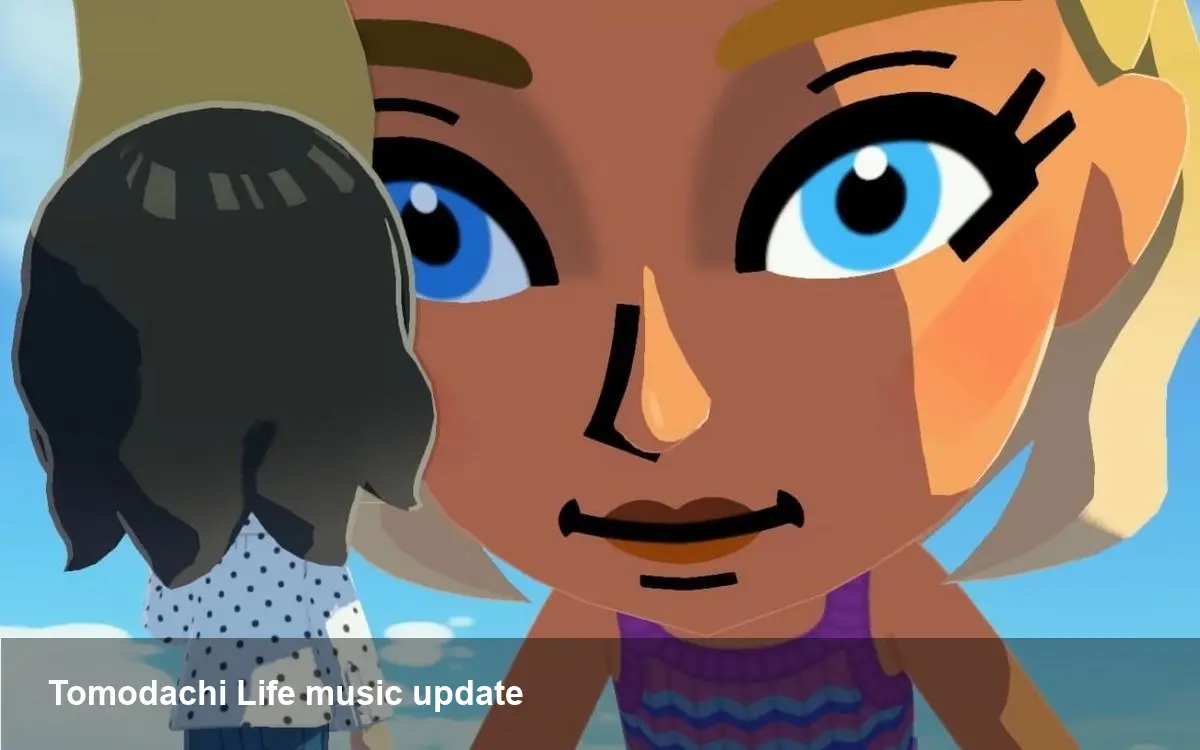
Nintendo recently aligned an update to its Nintendo Music offering with the launch of Tomodachi Life on Switch. Tomodachi Life began as a social-simulation title on the 3DS and has found renewed attention with a Switch release. Nintendo’s music platform — which serves as a companion destination for game soundtracks, playlists, and themed updates — pushed a special update to coincide with that release window.
This wasn’t a full soundtrack drop. Users noticed the update but won’t see new Tomodachi tracks added immediately. That gap is worth unpacking: it highlights how platform owners balance launch timing, licensing, and product priorities when connecting music assets to game releases.
What the update actually did (and didn’t)
Rather than shipping new music files tied to Tomodachi Life, the update focused on UI tweaks and promotional content meant to draw attention to the Switch launch. Think of it as a visibility and cross-promotion move: banners, themed graphics, and perhaps curated playlists related to the franchise’s vibe, rather than wholesale soundtrack inclusion.
Why is that distinction important? Because adding licensed game music, even when it’s the publisher’s own property, is a different workflow than updating an app’s front page. Tracks require mastering, metadata curation, legal checks, and sometimes reformatting for a streaming or download service. A promotional update can be live fast; a full soundtrack drop usually takes more time.
Why Nintendo might delay soundtrack additions
A few practical reasons explain why new Tomodachi Life tracks didn’t arrive immediately:
- Licensing and rights housekeeping: Even when the developer and publisher are the same company, music rights can be complicated — particularly with legacy titles where composers, vocalists, or third parties hold rights.
- Technical preparation: Game soundtracks often need normalization, loop tagging, and platform-specific encoding before they’re ready for streaming or sale.
- Marketing cadence: Staggered content drops can keep momentum after a game launch. Holding back soundtrack content for a later "week two" promotion is a common strategy.
- Resource prioritization: Launch weeks often stress teams across QA, operations, customer support, and infrastructure; deprioritizing a soundtrack push avoids overloading staff.
Any of these factors could explain a short delay — none of them suggest the music will never appear.
What this means for players and households
If you’re a fan who expected to boot the Switch and hear Tomodachi tracks in the companion music app immediately, the takeaway is patience. For households using the Switch as a social console, the lack of instant soundtrack integration is a minor friction: you can still play the game, use playlists that fit its tone, or import music from other services where possible.
Practical steps for players:
- Follow official Nintendo channels for confirmed soundtrack release dates — social posts or the app’s update notes will provide the definitive timeline.
- Use playlists to approximate the game’s mood until official tracks arrive (ambient, chiptune-inspired, and light pop lists work well).
- If soundtrack ownership matters, check Nintendo’s eShop or music storefronts for soundtrack listings rather than assuming the companion app will carry them immediately.
A developer’s and publisher’s view: lessons in timing and execution
For game teams and publishers planning similar cross-product tie-ins, this event reinforces a few operational lessons:
- Coordinate cross-team timelines early. Music teams, legal, marketing, and platform engineers should align at the announcement stage to avoid last-minute delays.
- Choose the right release model. Consider whether soundtrack content should be a simultaneous launch, a staggered post-launch bonus, or part of a paid DLC pack.
- Automate delivery pipelines. Standardizing audio mastering, metadata formats, and delivery APIs reduces friction and allows teams to publish music faster when needed.
These steps reduce headaches and improve the player experience when multiple product streams are being launched together.
Concrete scenarios where timing matters
- Family launch party: Parents who plan a weekend play session with friends may expect official music to set the mood. If soundtrack support arrives later, a quick curated playlist will often suffice — but it’s worth planning for that contingency.
- Content creators and streamers: Creators planning Tomodachi Life streams may assume official music will be cleared for use. Until tracks are published under known licensing terms, creators should avoid using unreleased music to prevent copyright strikes.
- Merchandising and tie-in products: Retail or digital bundles that promise a soundtrack should clarify delivery timing. Customers react negatively to promises of “instant” extras that arrive weeks later.
Near-term implications and a few future signals
1) More event-driven updates: Publishers can use light app updates to boost visibility around game launches without committing to immediate content releases. That’s effective for marketing, but it can frustrate users who expect functional or content parity.
2) Increasing importance of rights clarity: As nostalgia-driven re-releases continue, companies will need robust rights records for audio assets so legacy soundtrack drops don’t get stuck in red tape.
3) Better integrated launch plans: Expect to see publishers invest in synchronized pipelines that let them release game builds, DLC, and related media (like soundtracks) in tighter windows.
Practical recommendation for players and teams
Players: if you want official game music the day a re-release goes live, check multiple sources — the official app, Nintendo’s eShop, and publisher announcements — and be prepared to wait a short period if rights or technical prep are involved.
For developers and publishers: build your audio delivery process into the launch checklist. Automate encoding, verify rights early, and treat soundtrack drops as first-class launch items when they’re part of your marketing plan.
Game launches are complex, and music is just one of many moving parts. This recent Nintendo Music update shows how publishers can generate buzz quickly through promotional updates while still buying time to prepare full content releases properly — a balance of showmanship and practical constraint that will shape how we consume game soundtracks in the years ahead.