How Mr. Karate’s EVO Japan Reveal Shapes Fatal Fury’s Season 2

Why this reveal matters
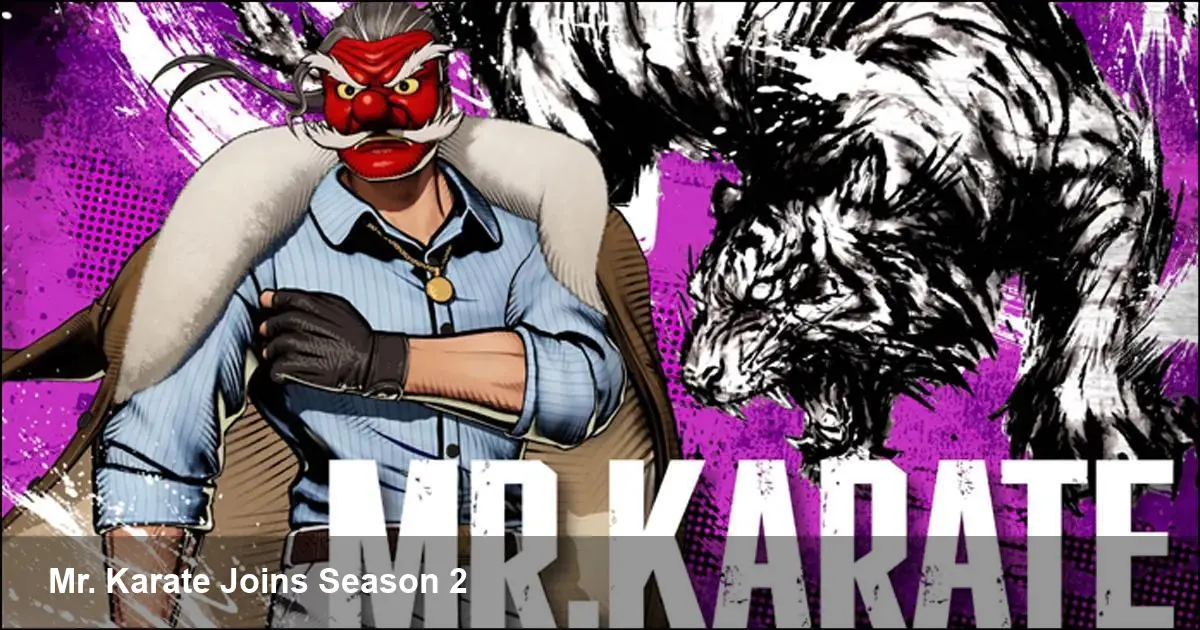
At EVO Japan 2026, SNK dropped a significant roster update: Mr. Karate is joining Fatal Fury: City of the Wolves as part of the game's Season 2 wave. Beyond the immediate hype, the reveal highlights how live-service fighting games are evolving — not just in character design but in competitive balance, content cadence, and community-driven product strategy.
This isn't just another character skin. For players and teams who follow the competitive circuit, character additions executed live at major events like EVO Japan are tactical moves. They influence tournament metas, prompt rapid iteration from developers, and create fresh monetization and engagement opportunities for streamers and third-party services.
Quick background: SNK and the game
SNK is a long-running developer best known for its fighting game heritage. Fatal Fury: City of the Wolves is SNK’s modern entry that blends classic franchise lore with a seasonal content model — new fighters, stages, and balance patches released across multiple seasons. Season 2 has rolled out several additions already, and the Mr. Karate reveal arrives as the calendar months count down toward the season’s close.
Mr. Karate has historical ties in SNK’s universe, and bringing that identity into a contemporary fighter requires both visual reinterpretation and mechanical reinvention. That’s where this reveal becomes interesting for anyone following design and competitive game ecosystems.
What changed (and why visuals matter)
From the footage at EVO Japan 2026, Mr. Karate’s silhouette and moveset nod to established lore, but SNK’s art and animation team clearly took liberties to modernize the character. Reworking a legacy fighter often means balancing player nostalgia against readability and animation clarity in high-level play.
Why does that matter to competitive players and developers?
- Visual clarity: In tournament play, clear animations reduce ambiguity about move ranges and frame windows, making matches feel more skillful and fair.
- Signature identity: Long-time fans expect certain traits from legacy fighters. Preserving recognizable moves while updating timing and effects is a delicate UX and design problem.
- Monetization optics: A fresh aesthetic is easier to support with premium cosmetics and crossover marketing.
Gameplay and balance implications
Adding Mr. Karate late in a season compresses the time window for pro players to explore tech and for devs to iterate balance patches. Expect a fast bootstrapping period where players discover high-level bread-and-butter approaches, then a couple of balance sweeps before the season ends.
Concrete scenarios:
- Pro meta churn: Top players may immediately add Mr. Karate to their pools if the kit covers gaps (e.g., zoning, anti-air, or unique frame traps). This can shift tier lists mid-season.
- Exploit vs. fix cycle: Lesser-known interactions surface quickly in online match pools. Developers will have to choose whether to hotfix or wait for the scheduled patch, weighing competitive fairness against patch stability.
For grassroots tournaments and regional circuits, a late-season character can be a double-edged sword — it brings attention and novelty but complicates seeding and player preparation.
Opportunities for developers and startups
The cadence of roster drops, especially timed with major events like EVO Japan 2026, opens several product and business opportunities beyond the game itself:
- Replay analytics tools: New characters change matchup matrices. SaaS startups can offer subscription-based analytics that identify dominant combos, whiff punish windows, and actionable counterplay tailored to Mr. Karate.
- Coaching platforms: Rapid character integrations create demand for short, targeted coaching modules (e.g., “How to beat Mr. Karate in three sessions”). Coaches and platforms can monetize micro-courses or live clinics tied to character releases.
- Content partnerships: Streamers and content networks benefit from coordinated reveal windows. Developers can license assets or run affiliate programs that reward early adopters and content creators.
These are practical, revenue-generating responses to a live-service fighting game's update model.
For competitive organizers and players: practical advice
- Treat early weeks as exploratory: Expect novel setups and unoptimized counters. Use local events to stress-test tech before bringing it to majors.
- Track patch notes and developer commentary closely: SNK will likely issue post-reveal clarifications and balancing roadmaps that affect tournament rules and allowed versions.
- Invest in frame-trap and hitbox study: New characters often introduce ambiguous interactions — recording and tagging replays will speed up community-driven guides.
Broader implications for the fighting-game ecosystem
1) Event-first reveals are now standard: Showing new roster pieces on prominent stages amplifies community engagement. It also sets a tempo where esports and product marketing are tightly coupled.
2) Faster feedback loops are required: Developers need robust telemetry and agile hotfix capabilities. A single dominant or broken addition can sour a season if it isn’t addressed in time.
3) Ecosystem services become integral: From analytics to coaching to media, third-party services that help the player base adapt will grow in importance and monetization potential.
What to watch next
- Patch cadence: Will SNK follow up quickly with tweaks based on EVO Japan play footage?
- Pro adoption: Which top players add Mr. Karate to their pools, and how quickly will viable tournament tech stabilize?
- Monetization moves: Will SNK release timed cosmetics, a battle pass extension, or cross-promotional bundles around the character?
The Mr. Karate reveal at EVO Japan 2026 is more than a flash of nostalgia — it’s a case study in how modern fighting games manage live content, competitive balance, and creator ecosystems. For players, organizers, and startups alike, these drops are signals: adapt fast, instrument everything, and build services that help communities extract value from rapid iteration.