CRYMELIGHT: FuRyu’s Dark-Bishoujo Roguelike Goes Multi‑Platform

What CRYMELIGHT is and why it matters
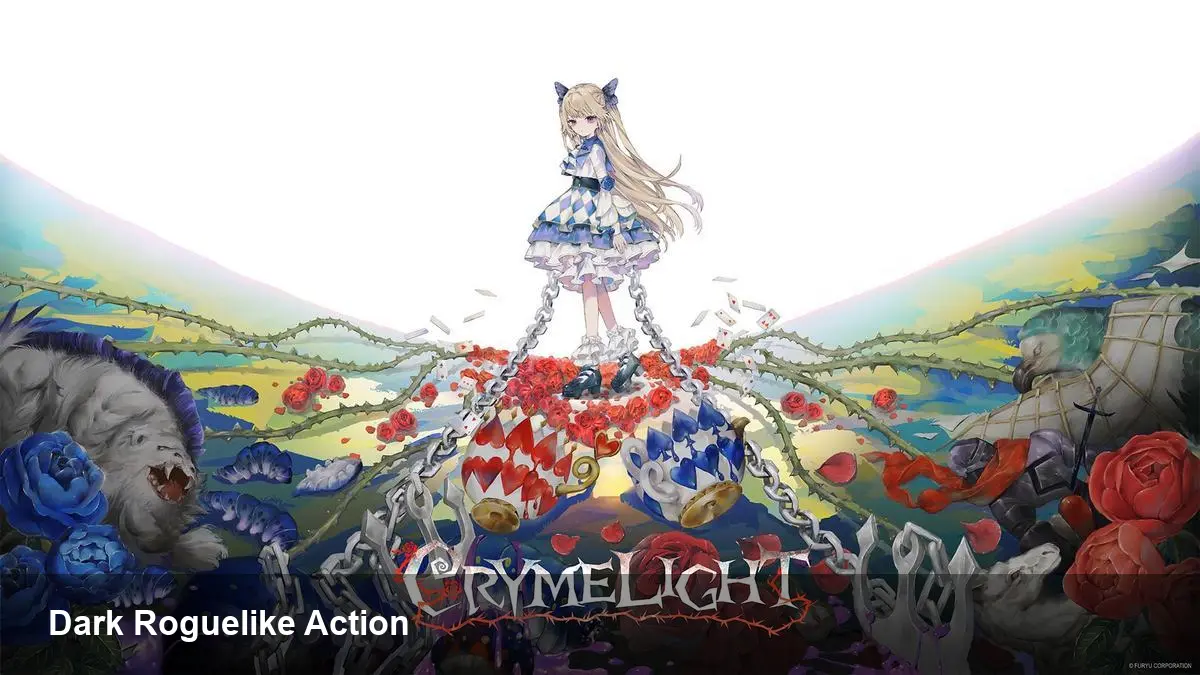
FuRyu has announced CRYMELIGHT, the newest entry in its CRY series. Described as a roguelike action title built around the franchise’s dark bishoujo aesthetic, the game is targeting PlayStation 5, Switch 2, and PC. For players who follow niche Japanese action games and for studios watching cross‑platform launches, this release points to several notable trends: a continued appetite for compact, replayable action loops, and an industry shift to build for both high‑end consoles and next‑generation portable hardware.
A quick profile of FuRyu and the CRY identity
FuRyu is a Japanese developer/publisher that has historically focused on character‑driven titles with distinctive art direction. The CRY series has carved out a specific tone—moody visuals wrapped around fast, combo‑based combat and heroine‑centric design—and CRYMELIGHT looks to expand that vocabulary into the roguelike space. That combination (stylized characters + procedural runs) is attractive for both solo players and streamers: runs are short enough to watch, but deep enough to create emergent stories.
What roguelike action can mean for CRYMELIGHT
Roguelikes can vary wildly, from hard‑permadeath grid crawlers to roguelite action games that reward long‑term progression. For a title like CRYMELIGHT, the practical design pattern likely includes:
- Short to medium session lengths (15–40 minutes per run) with escalating challenge.
- Procedurally assembled rooms, enemy placements, and modifier systems to keep encounters fresh.
- Meta‑progression systems—character upgrades, weapon unlocks, or a persistent currency—that reward repeated play.
- Distinct characters or builds (likely leaning on bishoujo archetypes) to encourage experimentation.
Imagine a run where you pick a fast, glass‑cannon heroine with a grappling dash, find a cursed relic that trades HP for damage, and route through a castle whose rooms reconfigure each attempt. That loop—risk, discovery, and incremental growth—is core to modern roguelike action.
Platforms: PS5, Switch 2, and PC — practical implications
Releasing on PlayStation 5, Switch 2, and PC opens different windows of opportunity and engineering work:
- PlayStation 5: Developers can lean on SSD speeds, ray tracing, and haptic feedback to enhance immersion. Faster loading can make repeated roguelike runs feel nearly seamless.
- Switch 2: The next Nintendo hardware (referred to as Switch 2) creates a huge opportunity for portable, repeatable play. However, supporting a hybrid device means extra optimization for battery life and thermal constraints while preserving visual fidelity.
- PC: The PC audience expects scalability—frame rate caps, key remapping, and mod friendliness. PC can also be a testing ground for live‑ops and seasonal content via platforms like Steam.
For studios, multi‑platform design requires early planning around input schemes, scaling art assets, and save synchronization (cloud saves or cross‑save) so players can jump between devices without losing progress.
How CRYMELIGHT could structure progression and monetization
There’s a natural tension in roguelikes between satisfying single‑player fans and creating sustainable revenue for developers. Possible models that fit the CRY brand:
- Cosmetic microtransactions that honor the character‑driven appeal without affecting balance.
- Expansion packs or season passes introducing new characters, biomes, or challenge modes.
- Paid DLC for major story arcs or boss fights that maintain a core, fair base game.
From a player perspective, the ideal approach keeps gameplay skill‑centered while offering personalization. From a business standpoint, episodic content or time‑limited events can maintain engagement between releases.
Developer challenges and opportunities
Porting a stylized, action‑heavy roguelike across PS5, Switch 2, and PC is nontrivial. Key technical considerations include:
- Performance headroom: maintaining a consistent frame rate during chaotic battles.
- Control parity: mapping fast combos to controllers and keyboard/mouse in a way that feels natural.
- Procedural content QA: ensuring randomly generated encounters remain fair and fun.
Opportunities lie in leveraging platform features: adaptive triggers on PS5 for tactile feedback, seamless suspend/resume on Switch 2 for portable sessions, and modding tools on PC to extend longevity. For indie and mid‑sized studios, combining strong art direction with tight run‑based mechanics is a proven route to carving a stable niche.
Who should care and how to approach the game
- Players who enjoy replayability and character collection will likely find CRYMELIGHT appealing. If you prefer curated levels and a strict narrative, the roguelike loop may feel fragmented.
- Streamers and content creators benefit from the emergent stories formed by randomized runs—highlight reels of surprising relics or close escape runs are great material.
- Developers watching the release can study how FuRyu balances visual identity with procedural design, and how they manage a multi‑platform launch across current and next‑gen hardware.
If you’re a player: prioritize trying out different characters and working with meta upgrades rather than expecting instant perfection. If you’re a developer: instrument the game’s telemetry to understand which runs players quit and why—those metrics are gold for iteration.
Looking ahead: three implications for the industry
- Increasing overlap between character‑driven Japanese games and roguelike design suggests more stylistic variety in procedural genres. Expect more visually distinct roguelikes that trade pixel art or minimalist UI for high‑fidelity character presentation.
- Support for Switch 2 from third‑party studios signals confidence that hybrid hardware will continue to be a major market. Developers will need to optimize for both battery‑conscious sessions and console‑level performance.
- Multi‑platform launches will continue to favor modular design: separate client features (cosmetics, DLC), but unified game mechanics and cross‑save to preserve player investment.
CRYMELIGHT is not just another entry in a franchise; it's a concrete example of how Japanese mid‑market studios are adapting their IP to modern, replayable structures while targeting a broader hardware ecosystem. Keep an eye on hands‑on previews and the studio’s choices around progression and platform‑specific enhancements—those will shape whether the game becomes a roguelike staple or remains a cult favorite.
What are you most curious to see from CRYMELIGHT—its combat systems, character roster, or how it runs on Switch 2?