Black Flag Resynced: What Players and Devs Need to Know

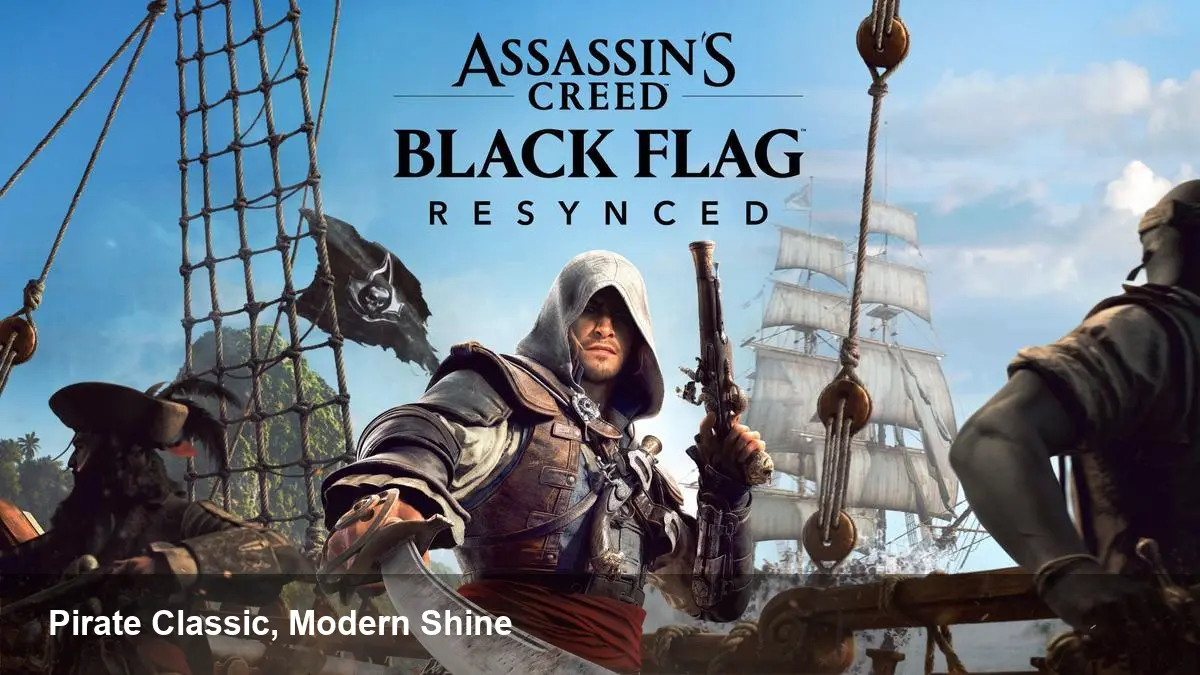
A familiar pirate tale returns
Ubisoft is reintroducing one of its most beloved entries with Assassin's Creed Black Flag Resynced, a refreshed version of the 2013 open-world pirate adventure. Slated to launch on July 9, this release aims to bridge nostalgia with modern expectations — sharper visuals, smoother performance, and a handful of content updates that make it more approachable for today’s audiences.
Why this matters now
Black Flag is often cited as the franchise’s high-water mark for blending naval combat, exploration, and stealth. Bringing it up to contemporary standards isn’t just cosmetic: it’s a way to re-engage lapsed players, give streamers fresh material, and extract more long-term value from Ubisoft’s back catalog.
For players, Resynced promises a way to experience Edward Kenway’s story without the friction of older tech (lower resolutions, dated lighting, clumsy menu flows). For Ubisoft and the industry, it’s a reminder that well-executed remasters can generate meaningful attention with a fraction of the cost of a new AAA title.
What to expect in gameplay and presentation
While the core narrative and mission structure remain intact, Resynced focuses on several practical upgrades:
- Visual refresh: Expect higher-resolution textures, rebuilt lighting models, and modern post-processing effects that make environments and sea surfaces read better on current displays. These changes sharpen the sense of immersion without altering the original level design.
- Performance and UI improvements: Smoother frame-rate targets, improved loading times, and a revised HUD/menu flow that fits modern controller and keyboard conventions.
- Gameplay polish: Quality-of-life tweaks to navigation, camera behavior, and possibly AI balance so that stealth and ship combat feel less punishing for newcomers.
- Additional content: The updated package includes some new or reorganized content to encourage both first-timers and returning players to explore again. That might be bonus missions, cosmetic options, or adjustments to how side activities are presented.
These enhancements aim to preserve what fans loved about the original while smoothing the rough edges that have aged poorly.
Real-world scenarios: who benefits and how
- The returning player: If you played Black Flag at launch and want a prettier, less frustrating run-through, Resynced is designed for you. Shorter load times and an updated HUD mean replaying long voyages and assassination runs becomes less of a chore.
- The discoverer: Someone who missed the original will get a more approachable version that fits contemporary expectations around performance and accessibility.
- The streamer and content creator: Visual improvements plus a legacy fanbase create fertile ground for LPs, reaction videos, and comparative content (original vs Resynced). Moments like naval battles and fort sieges are as stream-friendly as ever.
- The preservationist and modder: A refreshed official release can make archival and modding efforts easier if assets are better organized or if community tools are updated to work with the new build.
For developers and studios: lessons in doing remasters right
Remaster projects are deceptively strategic. They require balancing fidelity to the original design against modern user expectations. Key takeaways from a project like this:
- Prioritize core loop preservation. The things that made the original resonate — in this case, exploration and naval combat — should remain recognizable.
- Invest where it changes perception. Upgrading lighting, textures, and load performance yields disproportionately high returns in player satisfaction compared with wholesale gameplay rewrites.
- Use remasters as a low-risk product to test modern systems. You can trial new monetization patterns, accessibility features, or platform services on older IP before rolling them out in greenfield titles.
Business and market implications
For Ubisoft, Resynced extends the shelf life of an evergreen IP at modest cost. For the market, it reaffirms a wider trend: publishers mining established franchises for stable revenue streams while they allocate riskier budgets toward new IP or live-service titles.
There’s also a marketing angle: a high-profile remaster generates conversation that can feed into other franchise activities — from collectibles to seasonal events and new entries.
Limitations and trade-offs
No remaster can fully remove design choices baked into the original. Some mission structures, stealth rhythms, and navigation mechanics may still feel old-school. Also, purists who prefer untouched versions could find the changes unnecessary. Finally, a polished remaster can raise expectations for future remakes, placing pressure on studios to deliver even deeper reconstructions.
What this signals for the future
- Catalog-first strategies will keep growing: Publishers will continue to refresh proven titles because it’s cost-effective and strengthens franchise recognition.
- Technical debt gets spotlighted: Remasters make it clear how outdated tooling and engine features can hinder long-term maintenance — studios will increasingly invest in modular architectures to simplify future updates.
- Community and content economics matter: If a remaster successfully re-ignites creator interest, it can indirectly boost sales and long-tail engagement for years.
Should you pick it up?
If you value immersive naval set-pieces, open-world exploration, and a pirate-era narrative, Resynced is worth considering — especially if you haven’t replayed the original recently. For developers and product teams, it’s a useful case study in how to extract renewed value from a beloved title while keeping resources under control.
Whether you’re chasing nostalgia or looking for a polished entry point into the franchise, the updated Black Flag experience is designed to make the high seas look and feel current again. Will it convert new fans at the same rate as the original? Time — and player engagement after July 9 — will tell.