Why Apple Korea’s NCT Tease Matters for Mac Marketing

A short clip that started a lot of conversation
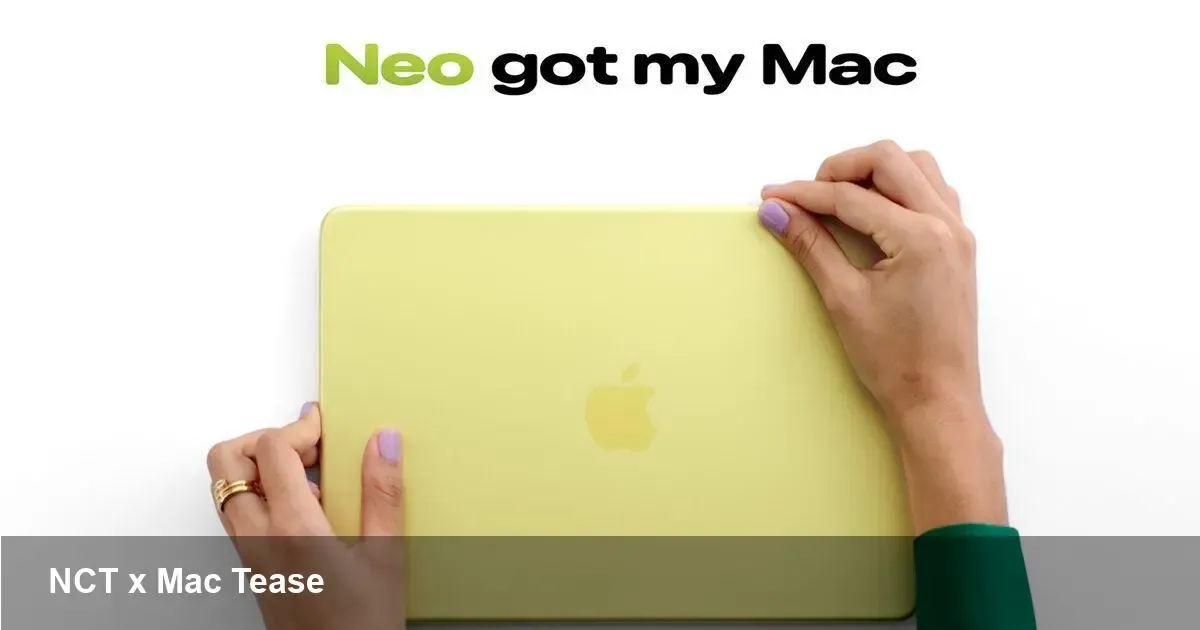
Recently Apple Korea posted a brief promotional video that used NCT’s recognizable intro music and the caption “Neo got my mac.” The post was short and deliberately ambiguous, but it did exactly what Apple’s marketing often aims to do: get people talking. For fans of K-pop and observers of tech marketing alike, the clip raised questions about whether this is a hint of an artist partnership, region-specific campaign, or simply a playful nod to a cultural moment.
Quick background: Apple in Korea and NCT
Apple has been steadily investing in localized marketing and retail experiences in South Korea over the last decade. Korea is a strategic market for Apple: high smartphone penetration, a passionate music and entertainment culture, and a strong base of younger consumers who influence global trends.
NCT (short for Neo Culture Technology) is a multi-unit K-pop group managed by SM Entertainment with a huge, engaged fanbase both in Korea and internationally. Using an NCT track in a corporate clip immediately signals something beyond product specs — it’s an attempt to tap cultural relevance.
Why the wording matters: “Neo got my mac”
That phrase blends the group’s “Neo” identity with Apple’s Mac platform in a casual, conversational way. Whether the caption is teasing a formal sponsorship, hinting at special edition content for macOS or Apple Music, or simply leveraging a trending cultural cue, the mix of tech brand and pop culture is a deliberate signaling move.
Businesses often use these lightweight signals to test interest and measure organic reaction before committing to full-scale collaborations. The immediate effect is measurable: social shares, media coverage, and fan speculation — all free attention.
Practical scenarios this could become
- Limited edition skins or themes: Apple (or accessory partners) could release NCT-themed MacBook decals, wallpapers, system sounds, or boot animations tailored for macOS users in Korea.
- Exclusive content on Apple Music/TV: NCT teasers, behind-the-scenes clips, or early single releases packaged as Apple Music exclusives that promote both the band and the Mac ecosystem.
- Retail and event tie-ins: In-store events at Apple’s Seoul locations with listening parties, pop-up experiences, or meet-and-greet opportunities tied to hardware promotions.
- Software bundles and creative assets: Final Cut Pro templates, GarageBand packs, or Logic Pro presets inspired by NCT’s production style — useful for creators and attractive to fans interested in making their own content.
Each of these scenarios has different commercial implications: hardware tie-ins drive unit sales; exclusive content drives subscriptions and engagement; creative bundles reinforce Apple’s position among creators.
What this means for developers and partners
- API and content integration opportunities: If Apple pursues exclusive content deals, developers and partners who build apps around Apple Music or TV platforms will need to consider licensing flows and the Apple Music API for curated experiences.
- Accessory and software ecosystems: Third-party accessory makers (cases, skins, peripherals) and macOS app developers can respond quickly with themed offerings — but should avoid infringing on trademarks or copyrighted material without licensing.
- Localized marketing best practices: Global brands can learn from a targeted, culturally-embedded approach. Developers selling in the App Store or Mac App Store should localize not just language but culture-specific experiences and partnerships.
Business upside and risks
Upside
- Brand resonance: Associating the Mac with a leading K-pop act helps Apple appear culturally fluent to younger consumers.
- Earned media: Ambiguous teases generate coverage and social buzz at low cost.
- Cross-product lift: Music or video exclusives can increase Apple Music subscriptions and drive more usage on Macs.
Risks
- Misreading fan expectations: Fans of K-pop are discerning; a shallow or purely transactional tie-in can generate backlash.
- Over-localization vs. global brand clarity: A campaign that resonates strongly in Korea may confuse customers elsewhere unless clearly framed.
- Licensing complications: Using artist music or images without proper clearance would create legal and reputational risks.
Concrete example: a launch playbook
Imagine Apple launches a “NCT Back to Campus” Mac campaign in Korea. Execution would include: a MacBook color or skin option, launch videos featuring NCT music, exclusive tutorials using Final Cut Pro on NCT clips, and Apple Store events with interactive displays. Measurement metrics would include Mac sales lift in target demos, Apple Music subscription spikes, and social engagement volumes. That combination ties hardware, software, and services into a measurable business outcome.
Broader implications for tech marketing
1) Cultural-first product positioning will increase. Tech brands will invest more in regional creative partnerships rather than relying solely on global celebrity endorsements.
2) Artists and entertainment companies become product collaborators, not just ad participants. Expect more co-developed digital assets (sound packs, templates, AR filters) that integrate with core software.
3) Platform owners will need clearer developer pathways for artist-related content. If Apple wants to scale this kind of cross-pollination, it should make licensing and SDK integration straightforward for third-party developers.
Practical advice for startups and app makers
- Monitor regional social signals: Lightweight tests (like a short video) are cheap ways to validate affinity before larger investments.
- Build modular content hooks: Create app features that can be easily themed or localized for short-term partnerships with cultural figures.
- Prioritize clean licensing: If you plan to tie to artists or IP, get agreements in place early to avoid reactive takedowns.
Whether Apple Korea’s teaser becomes a full campaign or stays an enigmatic post, it’s a useful case study in how tech companies can use culture to amplify message and measure response. For developers and marketers, the actionable lesson is to think beyond product specs — cultural alignment can be a strategic lever as powerful as price or feature differentiation.
What happens next could range from minor merchandising to a broader Mac-facing program tied to music and creator tools. Either way, watch how the signals are amplified: the first wave of reaction often reveals whether a casual tease will become a sustained partnership.