What the Base M4 Mac mini Sellout Means for Developers

Quick summary: what's unavailable and why it matters
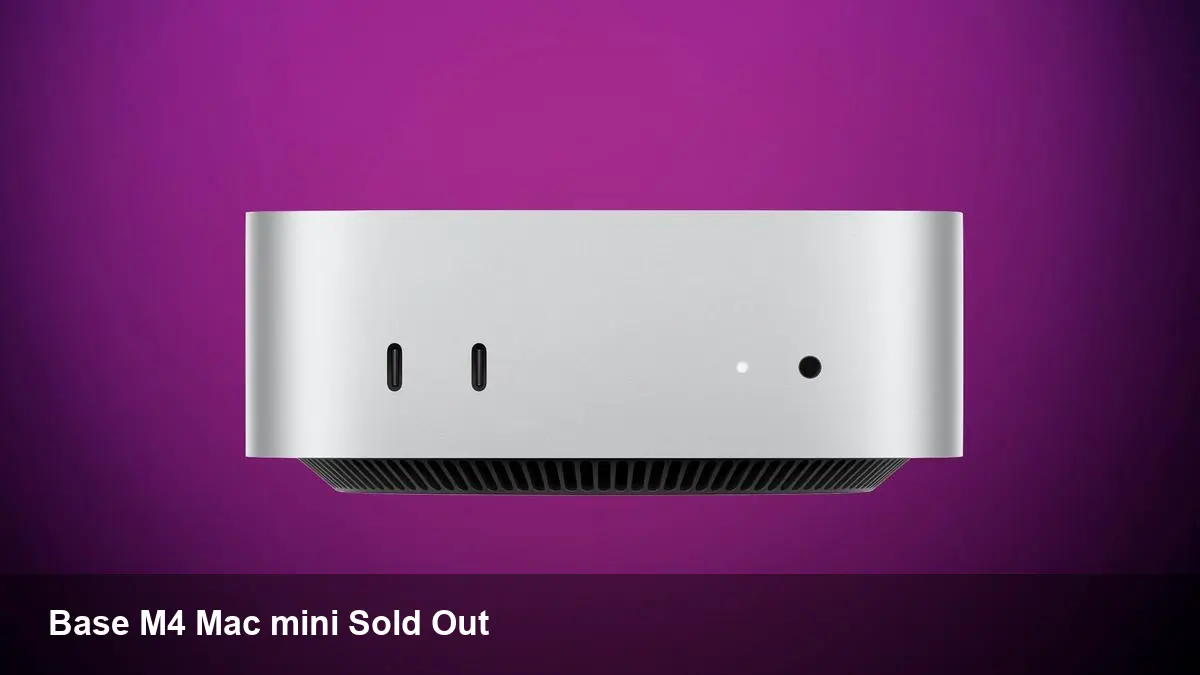
Apple's base Mac mini configuration — the M4 chip with 256GB SSD and 16GB of RAM — is currently listed as "Currently Unavailable" on the Apple Online Store. Models with larger storage, configurations with higher RAM counts, and machines equipped with the M4 Pro are still being sold, but some specific higher‑RAM SKUs are also showing limited availability.
That status is small on the surface but significant for anyone planning purchases for personal use, developer workstations, or a fleet of machines for a startup. The Mac mini has long been a favorite because it packs Apple silicon performance into an affordable desktop form factor, and the M4 family extends that value with improved CPU, GPU, and neural engine capabilities.
Why the base Mac mini sold out (likely causes)
- Demand concentration: The 256GB / 16GB configuration is the most affordable and the de facto entry point for many buyers. That makes it the highest‑volume SKU, so it's the first to run into stock pressure.
- Channel and inventory management: Apple often staggers shipments and refreshes inventory across channels. A temporary online sellout can simply reflect a pause while new stock arrives.
- Market timing: New hires, back‑to‑school purchases, and seasonal promotions can spike demand. For developers, momentum around local AI workflows and emulation of newer ARM macOS builds can raise hardware demand.
- Supply chain variability: Although Apple’s supply chain is robust, variations in component availability or manufacturing cadence can still cause specific configurations to lag behind others.
Practical implications for developers and small businesses
- Short-term procurement headaches: If you were planning to buy the base Mac mini today for a team of five developers to keep build costs down, you’ll either need to wait for restock or choose a different configuration (larger SSD, more RAM, or an M4 Pro model). Waiting can delay onboarding and project timelines.
- Consider total cost of ownership, not just sticker price: The base Mac mini's 256GB SSD and 16GB RAM make it an appealing entry price, but developers often need more storage and memory. Upgrading at purchase is cheaper than retrofitting later (you can't upgrade RAM in Apple silicon Mac minis), so choosing a 512GB/24GB option might be wiser for heavy workloads.
- CI and test runners: Mac minis are commonly used as continuous integration runners or for iOS build farms. If procurement is tight, consider a small cloud macOS provider for burst capacity, or buy fewer higher‑spec Mac minis to reduce the frequency of rebuilds and parallelization needs.
Concrete scenarios and recommendations
- Solo developer or home lab: If you're a solo dev and don't need lots of local storage, waiting a week or two for the base M4 Mac mini could be fine. Meanwhile, you can evaluate whether 16GB will truly cover your dev stack; large Docker images, VMs, and local ML experiments can exhaust memory.
- Startup equipping new hires: For teams, standardize on a single purchased configuration that covers 12–18 months of expected usage. If the base model is out of stock, choose the next step up (e.g., 512GB/24GB) to reduce the need for replacements and to simplify IT support.
- Build farm / CI servers: Rather than buying many base units when unavailable, purchase fewer M4 Pro machines if budget allows — they accelerate parallel builds and simulator runs, offsetting higher sticker price with faster throughput.
Buying alternatives and tactics
- Check Apple authorized resellers and regional stores: Retail partners sometimes have stock when Apple's online store is out. Physical Apple Stores may also have returns or local inventory.
- Consider upgraded SKUs: If availability of the base model is constrained, the 512GB or higher SSD models or those with 24GB RAM are often still available and future‑proof better.
- Set alerts and use short shipping waits: Use browser extensions or reseller alerts for restock notifications. Apple often replenishes popular SKUs in days.
- Lease or cloud for urgent needs: For immediate capacity, short‑term cloud macOS instances or device leasing can bridge the gap while waiting for hardware.
Broader implications for Apple and the market
1) Pricing psychology and upgrade rates: When an entry SKU sells out but upgraded configurations remain, many buyers either accept the higher spend or postpone buying — both outcomes can influence Apple’s inventory and pricing strategies going forward. 2) Developer workflows shifting to local AI and heavier builds: The rise of local model inference and more demanding development environments increases the attractiveness of machines with larger memory and neural engine improvements. That pushes demand upward for mid‑range and pro‑level configurations. 3) Secondary market and enterprise procurement: Prolonged shortages could drive second‑hand pricing up and encourage enterprises to sign multi‑device procurement agreements with longer lead times.
What to watch next
- Inventory updates on the Apple Online Store and Apple Retail stock levels. Restocks can happen quickly, but some SKUs may stay constrained through the quarter.
- Price adjustments, trade‑in promotions, or holiday sales that might coincide with replenishment and create buying opportunities.
- Software announcements that increase demand (Xcode changes, macOS updates optimized for M4) — major dev platform updates often spur hardware refreshes.
If you're in the market, decide by weighing short‑term urgency against long‑term needs. For many devs and small teams, upgrading storage or RAM at purchase time is a pragmatic choice — and if the base M4 Mac mini is sold out, that nudge toward a more capable machine might be worth it.