What the 2026 Apple TV update means for users and developers

A patient upgrade: why Apple is holding the next Apple TV
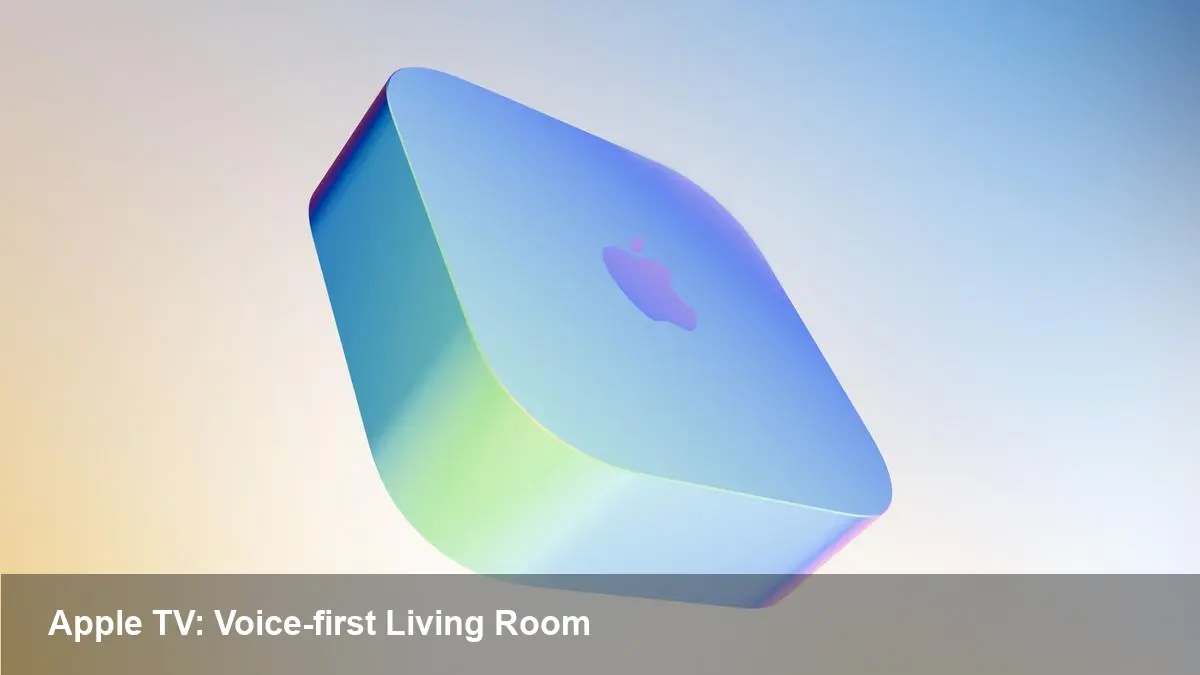
Apple didn't refresh the Apple TV hardware after the 2022 model, and the next update is expected in 2026 — but not immediately. Sources indicate Apple is timing the new set-top box to coincide with a major Siri overhaul coming this fall. That matters: the company is treating voice and ambient intelligence as a core part of the living-room experience, and it's willing to delay hardware to ship a cohesive software-driven product.
Apple TV: more than a streaming box
Historically the Apple TV has served three roles: a way to stream content (Apple TV+, iTunes, third-party apps), a hub for HomeKit and smart-home integrations, and a gateway to Apple's wider ecosystem (AirPlay, Fitness, Arcade). Each refresh has nudged one or more of those roles forward — tighter HomeKit ties, better HDR and audio support, or a faster SoC for games and apps.
For 2026, that balancing act looks familiar but with an emphasis on voice and context-aware features. Apple is reportedly waiting for the new Siri because the company wants the set-top box to act as a smarter living-room assistant, not just an HDMI source.
What to expect in hardware and software
Apple hasn't confirmed specs, so think of these as informed expectations rather than official claims:
- SoC and performance: Expect a significant chip upgrade to run more demanding local AI and media workloads. Whether that's an A-series refresh or a lower-tier M-series variant, the goal will be smoother UI transitions, faster app launches, and more on-device processing for Siri.
- tvOS and Siri integration: The new tvOS release paired with an updated Siri should provide richer conversational queries, multi-turn follow-ups ("Show last night’s highlights" → "Only from ESPN"), and better context across devices.
- Remote and UX changes: Look for refined voice-first interactions, quicker access to content via Siri, and UI adjustments that surface voice tips and multi-user personalization.
- Home hub duties: Improved local intelligence means routines, automations, and camera-processing may run more responsively even when cloud connectivity is limited.
Concrete scenarios that change daily use
- Fast sports highlights: Say “Siri, show the fourth-quarter highlights from last night’s Lakers game,” and the TV should surface segmented clips across apps and local recordings, with voice follow-ups to rewind or clip for sharing.
- Seamless hand-off: Begin browsing a movie on iPhone, say “Play that on my Apple TV,” and the tvOS interface resumes exactly where you left off while also suggesting playback settings based on the room (e.g., switch to Dolby Atmos).
- Natural home control: Use multi-step voice commands like “Siri, dim the lights, close the shades, and start Focus for movie mode,” and all three actions should execute with visible feedback in the tvOS control overlay.
Developer implications: rethink for voice and context
If you build for tvOS or streaming services, the upcoming Apple TV cycle is a heads-up:
- Integrate Siri intents: Update apps to expose content and controls through Siri-friendly intents so users can find and launch content via natural language.
- Design for multi-turn flows: Prepare for follow-up queries where the assistant maintains context (e.g., refining search by actor, season, or genre).
- Embrace on-device privacy: Expect Apple to push for local speech models or hybrid approaches that keep data private; developers will need to respect that architecture and reduce reliance on external voice pipelines.
- Rethink discovery: Voice-centric discovery upends traditional UI placement for recommendations — optimize metadata so Siri can surface your catalog accurately.
Business value and market positioning
Apple's decision to tie the hardware release to the Siri refresh is strategic. Enhancing voice and on-device intelligence improves discoverability for Apple TV+ and third-party apps, potentially increasing watch time and subscriptions. For content providers and ad platforms, richer voice queries mean new ways to surface and monetize content (sponsored recommendations, voice-directed ads), albeit within Apple’s privacy constraints.
For buyers, the calculus is simple: if you prioritize voice search, home automation responsiveness, or future-proofing against tvOS features, waiting for the 2026 model that ships alongside the new Siri is sensible. If you mainly need a reliable streamer today, the 2022 Apple TV 4K (or other competing devices) still performs well.
Trade-offs and limitations
- Delays vs. innovation: Waiting to synchronize a hardware launch with a software overhaul can deliver a tighter experience, but it also gives competitors time to iterate. Roku, Amazon Fire TV, and Google are all pushing voice experiences, too.
- Price sensitivity: If Apple adds a higher-end SoC or more local AI processing, we might see a price increase, potentially putting the device out of reach for budget-focused buyers.
- Ecosystem lock-in: The most seamless experiences will favor users who own other Apple devices. Cross-platform services may see reduced benefit unless Apple opens sufficient hooks for third-party ecosystems.
What developers and businesses should do now
- Audit metadata and Siri integrations: Make sure your catalog, intents, and deep-links are up-to-date so Siri can find and control content.
- Prototype voice-first flows: Build simple multi-turn interactions and test them with users in realistic living-room settings.
- Monitor tvOS betas: Apple will likely preview the new Siri features in developer betas this year. Early testing will reveal technical constraints and performance targets.
Three forward-looking implications
- Voice becomes a primary remote: The living room is shifting from a button-driven interface to conversational control; designing for natural language will be essential.
- Local AI changes architectures: Expect more computation on-device for latency and privacy, which affects app design, testing, and distribution of models.
- Discovery economics shift: If voice lowers friction to content, recommendation systems and catalog metadata become critical competitive advantages for streaming services.
If you’re shopping for a set-top box with advanced voice and home-hub features, the 2026 Apple TV—tied to the new Siri—is worth waiting for. Developers should start adapting metadata and voice flows now; businesses should reassess how voice-driven discovery fits their distribution plans. Either way, the next Apple TV looks poised to make the living room a smarter, more conversational space.