Trump Phone Revamp Leaves Release Timeline Unclear

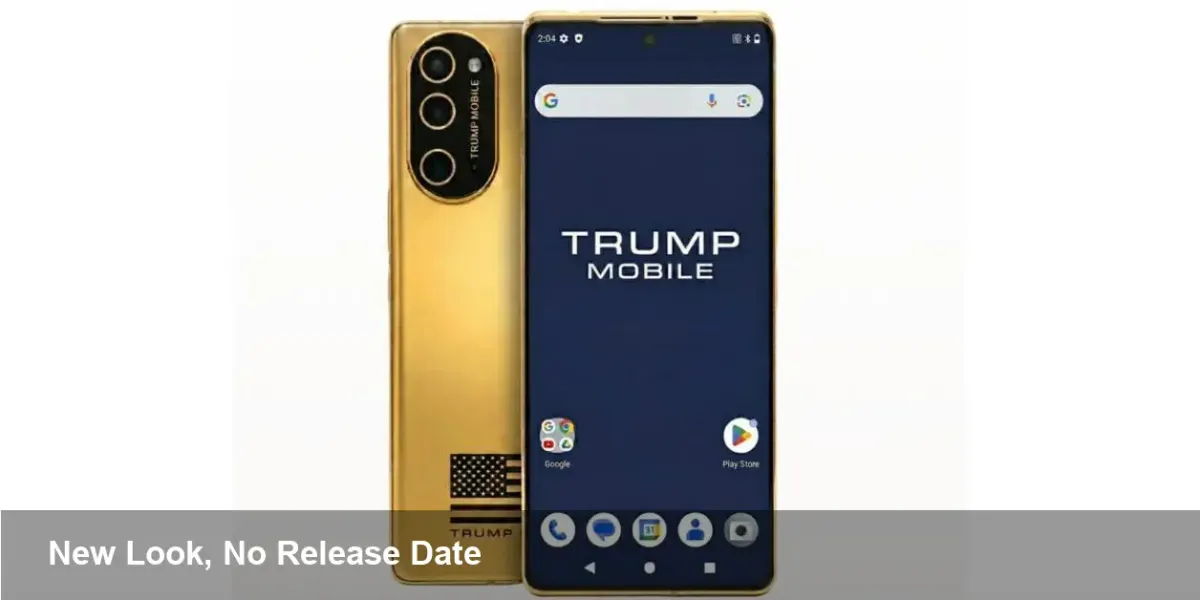
A fresh design, same unanswered question
The device marketed as the “Trump phone” surfaced with updated visuals on its official site, but the one detail many buyers are waiting for — a firm release date — is still missing. The product pages show new renders and messaging tweaks, and references to domestic manufacturing have become less prominent. For anyone tracking this as a product, political signal, or business experiment, the recent update highlights how hardware projects can stall between press-worthy reveals and real-world availability.
Who’s behind it and why it matters
The device is associated with Trump Media & Technology Group (TMTG), the company behind the Truth Social network and other media initiatives. For TMTG, a branded smartphone would serve more than a retail purpose: it’s a distribution channel for apps and services, a marketing artifact, and a statement about independence from mainstream platforms.
A phone bearing a political brand is unusual for the consumer electronics market. Most vendors sell features and ecosystems. This phone will necessarily combine product engineering with political identity — which amplifies both the potential benefits (loyal user base, clear messaging) and the risks (limited market, regulatory scrutiny, distribution friction).
What the update tells us (and what it doesn’t)
- Visual refreshes and marketing changes: The website shows updated pictures and messaging. That suggests a team is refining positioning and investor-facing materials — a normal step before launch.
- No confirmed ship date: The absence of a launch timeline is notable. It could signal supply chain or certification delays, or a strategic choice to keep expectations open.
- Weakened “Made in the USA” language: Where earlier communications emphasized domestic manufacturing, the new copy is more ambiguous. That points to the practical reality of modern smartphone production: end-to-end U.S. manufacturing is expensive and logistically complex.
These signals are more instructive than a single press release. They point to operational challenges rather than a deliberate pivot in product concept.
Real-world user scenarios
- Loyal user wanting a curated experience: Supporters who prioritize a preinstalled social app (e.g., Truth Social) and unified notifications may buy a device for convenience. For them, the value proposition is integration and identity.
- Privacy and security skeptics: Some users may expect hardware-level privacy controls or a secure OS. Without clear specs on chipset, baseband handling, and update policy, the phone won’t convince security-conscious buyers.
- Developers and small publishers: If the phone provides a straightforward path for third-party apps to reach a captive audience, content creators might see an incremental distribution channel — but only if the platform supports popular development frameworks and APIs.
Developer and partner implications
If this device is more than a novelty, developers will want clarity on several fronts:
- App ecosystem and distribution: Will the device use Android with access to Google Play, a custom store, or require sideloading? Each model changes developer effort and monetization prospects.
- APIs and integrations: Does the platform expose push, analytics, or payment APIs that differ from other Android OEMs? Unique APIs can create differentiation but increase development fragmentation.
- Certification and carrier support: Carrier certification affects reach. If major carriers decline to support the device, it will be limited to unlocked markets and niche customers.
From a manufacturing perspective, the softened “Made in the USA” language suggests TMTG may be working with established OEM partners abroad, which is standard practice even for white‑label devices.
Business and supply-chain realities
Few companies manufacture modern smartphones entirely within the U.S. The global supply chain — chipset fabs, component suppliers, assembly plants — is optimized across regions. Shifting production domestically increases costs, complicates supplier contracts, and lengthens lead times.
If a branded phone aims for profitability, it typically relies on one of two models:
- White-label manufacturing with a known OEM that rebrands an existing design, reducing R&D and time to market. 2. Subsidization by a service or content business that values customer retention over hardware margin.
A political brand tilts toward the second model only if the attached services can monetize users in other ways (subscriptions, data, commerce). Otherwise, margins on hardware are thin.
Risks and practical limitations
- Market saturation: The smartphone market is mature and fiercely competitive. Breaking through requires price, features, distribution, or a compelling ecosystem.
- Certification hurdles: FCC approval, carrier testing, and regional compliance can delay launches for months. Until those boxes are checked, the product remains a promise.
- Perception vs. reality: Marketing that emphasizes domestic manufacture can attract attention, but once hedged language appears, it may erode trust with parts of the target audience.
How to read this from a business strategy angle
Brand-first hardware projects often function as marketing engines. They aim to deepen user attachment rather than tackle head-on the dominant reasons people buy phones (camera, battery, chipset performance). Expect the device to be optimized for the company’s services — preinstalled social apps, priority support for proprietary software, and curated experiences.
If TMTG wants this to be more than a collector’s item, it will need transparent specs, solid update promises, and clear distribution plans. Developers and partners will wait for SDKs, store policies, and certification details before committing resources.
Three forward-looking implications
- Branded devices will continue to be used as loyalty playbooks: Companies that own a service may try to reinforce that ownership through hardware, but success depends on whether the service itself delivers tangible value beyond branding.
- Supply chain transparency matters more than slogans: Consumers and partners will push back if production claims don’t match reality. Expect closer scrutiny of where components and assembly happen.
- Political branding increases distribution risk: Carrier relationships and retail placement can be affected by public perception. Alternative distribution channels (direct-to-consumer online sales, specialty retailers) will matter more for niche devices.
What to watch next
Look for technical specs (chipset, OS base, battery life), carrier/retailer partnerships, certification filings, and a firm ship date. Those are the milestones that separate vaporware from a tangible product.
For buyers, the immediate decision is whether a political-brand phone satisfies your needs better than mainstream alternatives. For developers and partners, the choice hinges on whether this device opens a meaningful new channel or is simply a brand exercise.
Whether this phone becomes a mainstream rival or a limited-run collector’s device will depend on execution more than intent. For now, the refreshed imagery gives a clearer look — but not yet a date to mark on the calendar.