Motorola’s New Era: Color, Design, and Practical Innovation

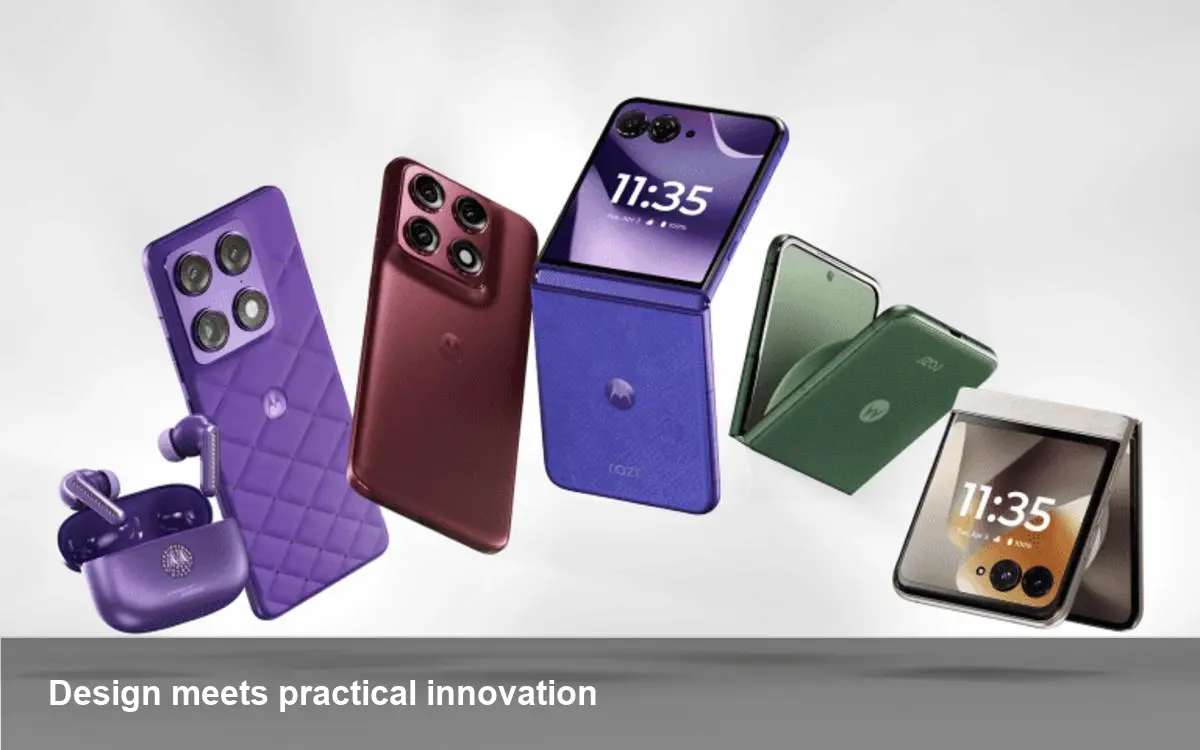
Why Motorola’s visual pivot matters
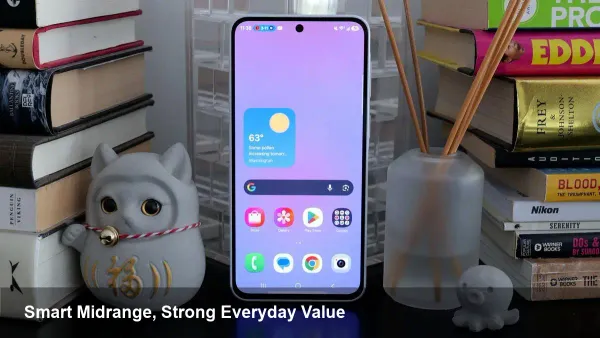
Motorola has quietly shifted from competing purely on specs to foregrounding visual identity — color, industrial design, and small but meaningful hardware choices. For users this means phones that feel personal. For developers and businesses it creates new interaction surfaces and brand opportunities.
This is not about glitter or gimmicks. When a mainstream OEM places design and color at the center of its product strategy, it affects supply chains, manufacturing, retail merchandising, software customization, and the way apps and services get discovered on devices.
A quick context: Motorola’s position today
Motorola remains a recognizable Android partner with several device families (mid-range to flagship) and an emphasis on practical, close-to-stock Android experiences. Rather than chasing the highest benchmark scores, the company appears to be investing in design language, finish options, and differentiated hardware touches — foldables and curved-edge devices are part of that mix — to stand out in a crowded market.
For buyers this translates to a stronger emotional pull: colorways that match fashion choices, tactile finishes that age well, and modest hardware innovations that improve daily use. For businesses and developers, it opens new angles for product integration, accessory strategies, and marketing.
How better design changes user behavior
- Personalization increases attachment: When a phone is available in colors and textures that reflect a user's personality, replacement cycles and accessory spend often shift. Users treat devices as style items, not just tools.
- Visibility in retail and social channels: Distinctive colors and finishes photograph better and can help products go viral in influencer channels — a practical marketing multiplier without extra ad spend.
- Real-world ergonomics: Curved edges, balance, and button placement affect hours of comfortable use. Thoughtful design reduces return rates and improves customer satisfaction scores.
Example: a commuter who chooses a matte, warm-toned finish may be less likely to use a bulky case, which enables slimmer accessory ecosystems and different retail bundles.
What this means for developers and product teams
- New interaction contexts
- Accent colors and always-on display treatments create opportunities for branded widgets, themed notifications, and lock-screen experiences that match the device aesthetic.
- Developers can consider adaptive color schemes in their apps that pull from system-level palette hints to provide a more coherent look on devices with unique finishes.
- Accessory ecosystems and OEM collaborations
- Designers of cases, wearables, and smart accessories should think about co-branded color palettes. Launching accessories in matching or complementary tones increases attach rate.
- B2B partners can craft hardware bundles for retail or enterprise programs that present a unified visual identity.
- Marketing and positioning
- App teams can leverage launch moments tied to new color drops or design refreshes. Limited edition colorways create urgency and PR hooks for ecosystem apps and services.
Concrete scenario: a fitness app partners with Motorola on a limited edition color bundle. The app ships a themed watchface and onboarding flow optimized for the device’s display and always-on modes, increasing initial installs and engagement.
Operational and business implications
- Supply chain complexity: Offering more colors and finishes increases SKUs and supplier complexity. Businesses must balance novelty with manufacturability and inventory risk.
- Pricing and margins: Design-driven SKUs can command higher prices but require investment in higher-quality materials and finishing processes. Marketing must communicate the value beyond color.
- Retail strategy: Colorways need differentiated merchandising; online product pages benefit from high-quality imagery and AR try-on tools that show finishes realistically.
For enterprises procuring devices, a design-forward phone can be a recruiting perk (devices that reflect company culture) or a branded asset for client-facing teams.
Technical considerations developers should keep in mind
- Adaptive UI: Use system color hints and Material You–style theming so your app naturally complements Motorola’s color treatments.
- Power and performance trade-offs: Some finish-driven features (high-refresh curved displays, always-on animations) have battery implications. Test app performance with those enabled.
- Camera and imaging: Distinct finishes and glass treatments can change how colors render in images; ensure in-app color corrections and white balance behave consistently across device finishes.
Two quick case examples
- Retail discovery A fashion app that syncs outfit colors with phone wallpapers and lock-screen shortcuts can partner with Motorola to provide curated palettes that match new device launches — increasing app stickiness and discovery.
- Enterprise device programs A startup providing branded sales kits selects a Motorola family with a muted, professional finish. The kit includes a custom wallpaper, onboarding app preloaded during provisioning, and matching case — giving sales reps a polished look and consistent device experience.
Limitations and realistic trade-offs
Design-first strategies aren't a cure-all. They increase complexity in manufacturing and inventory, and may not sway buyers who prioritize camera prowess or raw performance. There's also a risk of over-indexing on aesthetics at the expense of long-term software updates and support, which matter more for enterprise customers.
Looking ahead: three implications for the industry
- Hardware as an emotional platform: Phones will increasingly be judged as lifestyle objects, not just technical appliances. Expect more collaborations with fashion and lifestyle brands.
- Software-level personalization will grow: System theming and APIs that expose palette and aesthetic primitives will become important for app developers who want to deliver a cohesive experience.
- Narrow differentiation, broader ecosystem plays: Companies that can't beat flagships on specs will double-down on design and ecosystem partnerships (accessories, content, services) to own a niche.
Practical next steps for teams
- Designers: Build adaptable color systems and consider how your UI behaves against different device palettes.
- Product managers: Evaluate SKU complexity before committing to multiple color drops; run user tests to estimate incremental demand.
- Marketers: Treat design refreshes as mini product launches with PR, influencer seeding, and co-marketing opportunities.
Design, when done well, influences perception, retention, and monetization. Motorola’s apparent shift toward color and design is a reminder that hardware makers still have levers beyond specs to shape markets. For developers and businesses, that opens practical playbooks — from co-branded accessories to app theming — that turn aesthetic choices into measurable product value.