Lenovo’s new gaming phone, Walmart’s streamers, and Surface price hikes

What just landed in consumer tech this week
Three small but meaningful announcements changed the purchasing calculus for gamers, streaming fans, and IT buyers: Lenovo unveiled a new gaming phone plus companion tablets; Walmart introduced a line of low-cost media streamers; and Microsoft quietly pushed up Surface prices across key models. Each move affects different buyer profiles — hobbyists, families, developers, and enterprise procurement teams — so here’s a practical look at what matters.
Lenovo: phone built for gamers, tablets built for multitasking
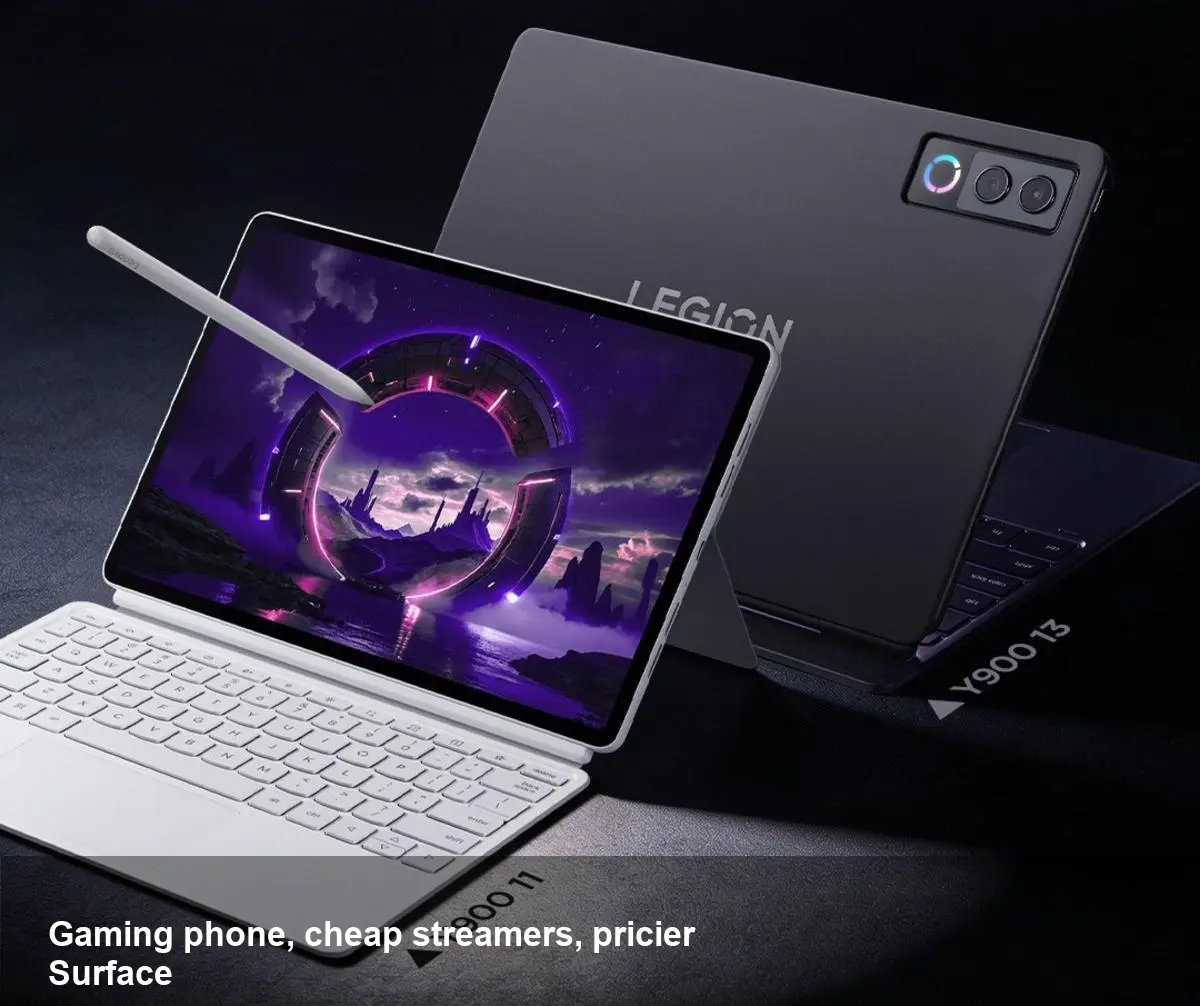
Lenovo is re-entering the conversation for mobile gaming hardware with a purpose-built handset aimed at sustained performance and competitive play. Complementary tablets target the content consumption and productivity niches that often accompany a gaming ecosystem.
What to expect from the Lenovo gaming phone
- Hardware priorities: high-refresh displays, aggressive cooling, and fast charging. Those are the basics for a phone that targets long sessions of PUBG-style play or cloud-streamed AAA titles. Lenovo’s new entry emphasizes thermals and input responsiveness — useful for esports and for power users who push devices hard.
- Developer and gamer implications: if you build games or performance-sensitive apps, this device tightens the performance envelope. Expect extended sustained CPU/GPU clocks, which exposes thermal throttling patterns you’ll need to profile against. For indie studios, it’s another data point for optimizing battery, network jitter handling, and adaptive frame-rate strategies.
- Accessory ecosystem: gaming phones often ship with trigger accessories, docks, and fold-out controllers. Tablets joining the lineup are useful as second-screen companions for streaming, chat apps, or cloud game controllers.
Tablets for creators and casual players
Lenovo’s tablets appear aimed at both viewers and creators: larger screens for streaming and sketching with a stylus, plus multitasking that helps when you want a walkthrough open while playing on your phone. For remote work, tablet features like desktop-class docks and keyboard attachments make them usable as lightweight laptop substitutes.
Scenarios where this matters
- Streamer setup: use the phone for gameplay, tablet for chat/alerts and stream monitoring. Low-latency casting between devices can reduce production friction.
- Mobile-first studios: test how your title behaves across sustained high-load scenarios on the phone and how your companion apps scale on a tablet.
Walmart’s media streamers: cheap hardware, broad reach
Walmart’s entry into streaming hardware reinforces the low-cost segment dominated by household brands. These devices are marketed as value alternatives to Fire TV, Roku, and Chromecast, typically running a trimmed Android TV build or a custom OS.
Why this is significant
- Price-sensitive households win: Walmart’s distribution and in-store presence means impulse buys for dorm rooms, kids’ bedrooms, or second TVs are even easier.
- App ecosystem: these devices usually support mainstream apps (Netflix, YouTube, Prime Video), but the difference is in timely updates, DRM support, and app store availability. Expect adequate support for mainstream services but watch out if your household relies on niche apps.
- Privacy and software updates: low-cost streamers often have shorter update windows. If you’re buying one for family use, check the vendor’s update policy and whether the streaming stick receives regular security patches.
Practical setups
- Starter living room: pair a Walmart streamer with an inexpensive soundbar and an HDMI splitter to create a minimal second-TV setup for sports and kids’ content.
- Developers: lean into the large installed base by testing app availability and responsiveness on these devices — UI and input handling (remote vs. voice) can differ from premium streamers.
Microsoft Surface price hikes: what IT should do now
Microsoft has increased prices on its Surface devices across multiple SKUs. For individuals the change stings; for businesses and schools it has procurement ramifications.
Immediate tactics for buyers
- Pause non-urgent refreshes: if your devices are still meeting needs, defer refresh cycles until there’s buyer leverage or bulk discounts available.
- Negotiate enterprise terms: large customers can often get discounts by committing to volume or extended support. Ask your Microsoft rep about EAS (Enterprise Agreement) pricing or hardware bundling with services like Intune or Microsoft 365.
- Consider lifecycle extensions: invest in battery replacements, storage upgrades, or OS maintenance to postpone expensive refreshes.
For resellers and IT teams
- Model TCO, not just sticker price: higher upfront cost might still make sense if the device reduces support hours or increases employee output. Compare total cost of ownership across brands.
- Diversify hardware suppliers: now could be a good time to evaluate alternatives (PC OEMs, Chromebooks, or thin clients) particularly for roles that don’t need high-end Surface features.
Practical implications for developers and startups
- Testing matrix expands: with a new Lenovo gaming phone and a fleet of low-cost streamers in the market, developers should widen device test matrices. Focus on performance baselines and app behavior on constrained hardware.
- Product positioning: startups building streaming, second-screen, or competitive mobile titles can use these new devices to tailor offerings — for example, low-latency streaming for the new gaming phone or simplified UI flows for budget streamers.
- Procurement strategies: startups buying hardware for demos or QA labs should time purchases: grab Windows devices before further Surface hikes, but favor Walmart streamers for quick in-house streaming tests.
What this signals about the market
1) Hardware differentiation matters again. Manufacturers are pushing niche value propositions — gaming-focused performance, low-cost streaming, and premium laptop-tablet hybrids — rather than one-size-fits-all devices.
2) Price sensitivity is rising. Walmart’s streamers prioritize affordability; Microsoft’s price increase suggests hardware makers will push margin or reposition the Surface line as more premium.
3) The midrange will get crowded. Smaller OEMs and retail brands will bet on volume and distribution to chip away at market share from incumbents.
If you’re a developer, tester, or buyer: adjust test matrices, negotiate procurement terms, and think in terms of ecosystems (accessories, updates, and service contracts) rather than single devices. For streamers and gaming phones, practical setups and profiling will deliver the biggest quality-of-life improvements for users and teams alike.
Which device would you prioritize for your next purchase — raw mobile performance, the cheapest streamer for a kid’s room, or a Surface replacement for the office? Think about where performance, updates, and price each matter most for your use case.