Invisible Face Unlock: How Metalenz Polar ID Changes Design

A new direction for biometric design
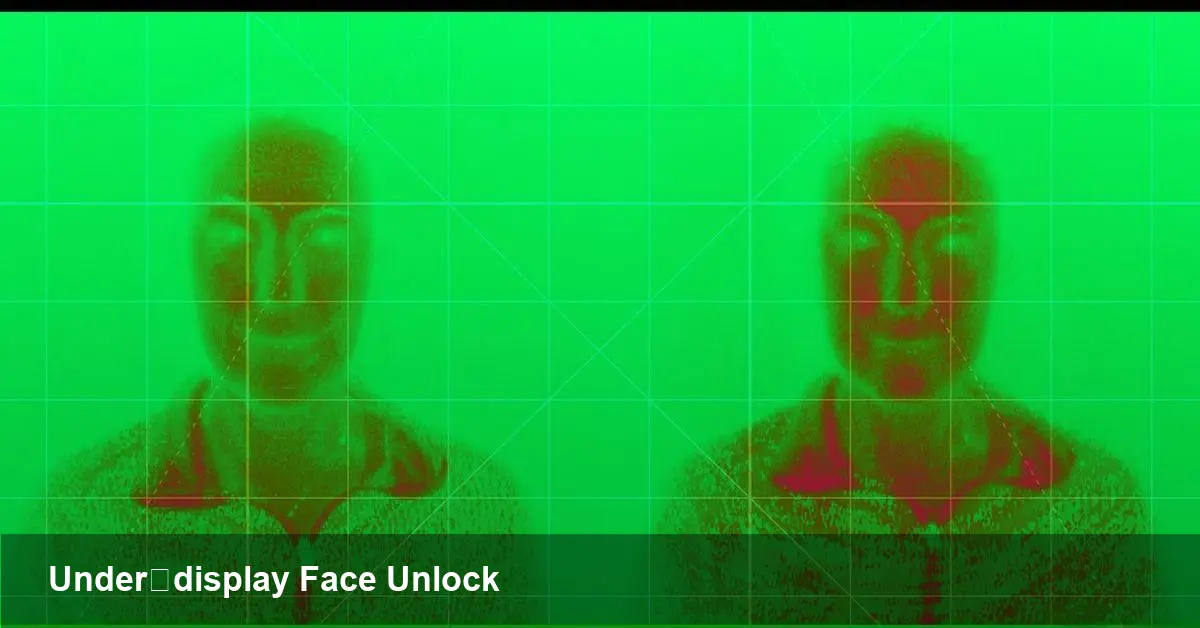
Face scanning has become a standard part of modern devices, but the visible hardware — notches, punched holes, or camera islands — still shapes product design. Metalenz’s Polar ID targets that problem by enabling face-scanning when the camera and sensor stack are concealed beneath the display. That change is as much about product experience as it is about optics: it promises cleaner industrial design while maintaining biometric capability.
Who is behind it and why it matters
Metalenz is known for developing metasurface optics — ultra‑thin optical components that control light at the nanoscale, offering a much smaller footprint than traditional lens assemblies. Polar ID is the company’s move into practical biometric sensing: combining their compact optics with sensing techniques that can operate through a display stack.
For device makers, that’s attractive. Removing visible biometric hardware frees designers to deliver uninterrupted screens and slimmer bezels without sacrificing face unlock. For consumers, it means fewer compromises between aesthetics and convenience. And for vendors in the imaging and sensor supply chain, it creates new integration opportunities and new technical challenges to solve.
What Polar ID does (at a practical level)
Metalenz’s Polar ID is effectively a way to perform the sensing tasks of face authentication while the camera and/or infrared emitters are physically behind a display. In practice this means:
- The optical elements and sensors can be placed under OLED or LCD layers and still collect the data required to match a user’s face.
- The system is intended to remain invisible to the user — no notch, punch‑hole, or visible dot projector on the front surface.
- Polar ID leans on metasurface optics’ small size and light‑manipulation capabilities to deal with the additional optical path introduced by the display.
A technical deep dive is not necessary to appreciate the shift: these optics let sensors “see” through typical display layers in ways older lens systems could not, or would only do with larger, bulkier components.
Everyday scenarios where this changes things
- Smartphones: Manufacturers can hide the full biometric stack beneath the glass and still offer quick face unlock. That opens the door to truly uninterrupted displays and simpler mechanical designs.
- Laptops and tablets: Manufacturers can embed secure authentication without a dedicated camera notch, helping slim profiles and reduce bezel size on ultraportables.
- Kiosks, ATMs, and retail terminals: Devices that must be vandal‑resistant or weatherproof can tuck sensors behind protective surfaces without losing biometric usability.
- AR/VR headsets and smart glasses: Compact optics are essential in wearables — under‑surface sensing reduces face‑plate real estate and helps maintain immersion without exposed sensor arrays.
These examples illustrate how the technology shifts where hardware lives and how people interact with devices.
Developer and OEM implications
If you’re an OEM, silicon vendor, or software engineer, Polar ID introduces several practical considerations:
- Integration: Under‑display sensing changes mechanical and electrical integration. Display suppliers, glass laminators, and camera module manufacturers will need to cooperate closely to ensure optical alignment and signal quality.
- Calibration: Sensors operating behind display stacks require new calibration routines to account for the display’s optical properties and aging effects (e.g., changes in polarizers or coatings). Expect updated factory calibration steps and firmware that compensates in software.
- APIs and platform support: For app developers, biometric flows should remain familiar — unlocking apps, authentication prompts, and permissions — but vendors will need to expose the same secure biometric APIs (for example, those integrated into secure elements or trusted execution environments).
- Testing and edge cases: Face authentication must work across lighting conditions, skin tones, and accessories (glasses, masks). Under‑display setups may introduce subtle failure modes that require additional testing and field telemetry to resolve.
Business tradeoffs and security considerations
Hiding biometric sensors improves design but does not remove security responsibilities. A few tradeoffs to weigh:
- Certification and standards: Any alternative biometric hardware must meet industry standards for spoof resistance and privacy. Device makers will need to verify that under‑display approaches meet liveness detection and anti‑spoofing benchmarks.
- Cost vs. differentiation: Meta‑optics and new assembly steps add cost. Early adopters can differentiate on design, but margins and supply chain constraints will influence rollout.
- User trust and transparency: Consumers notice changes to how devices look and behave. Clear communication about where biometric data is processed and stored (on the device versus cloud) will help maintain trust.
From a security posture, Polar ID does not change the need for secure enclaves, encryption of biometric templates, or strong authentication flows — it simply provides a new physical implementation for the sensor layer.
Where this could lead over the next few years
1) New industrial designs at scale: If under‑display performance becomes parity with visible solutions, expect more devices with uninterrupted screens — phones, laptops, and in‑vehicle displays — to adopt hidden biometrics.
2) Supply‑chain shifts: Display makers and optics startups will gain leverage; camera module makers will need to adapt or partner with metasurface suppliers to remain relevant.
3) Evolving biometric policies: As hidden sensors proliferate, regulators and privacy groups may push for clearer disclosure rules and standards about when and how biometric sensing is active and how data is protected.
Practical advice for product teams
- Start early with cross‑functional integration: involve display, mechanical, optics, and software teams from design‑kickoff.
- Budget for calibration and field testing: under‑display sensors will require more attention in production validation and post‑shipment telemetry.
- Preserve existing biometric APIs and protections: maintain secure hardware enclaves and stay compatible with platform security expectations to avoid creating gaps in the authentication stack.
Invisible face scanning isn’t just a neat trick; it reframes how hardware and software teams approach authentication, product design, and supply‑chain partnerships. For companies that prioritize a clean aesthetic or need vandal‑resistant sensor placements, Metalenz’s Polar ID can be a practical way to have both beauty and the security customers expect.