How the DJI Osmo Pocket 4 Changes Pocket Filmmaking

Why this small gimbal camera matters
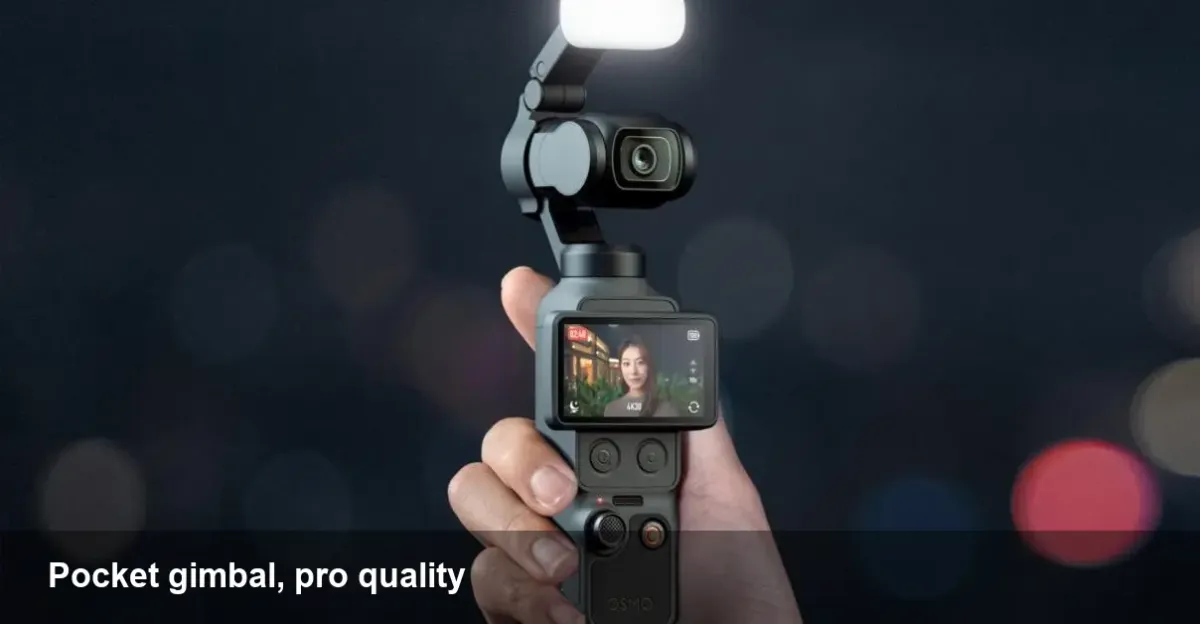
DJI's compact gimbal cameras have been shorthand for one-person video production for years. The latest model, the DJI Osmo Pocket 4, advances that lineage by prioritizing image quality and on-device smarts while keeping the core appeal: a pocketable, motorized camera that replaces a larger kit for many real-world shoots.
For creators who need reliable stabilization, quick setup, and better low-light performance without carrying a shoulder rig, this is a meaningful upgrade. The Osmo Pocket 4 introduces a larger 1-inch sensor, a dedicated fill light accessory, smarter subject tracking, and remote gesture controls. Together, those changes nudge the device from a consumer toy toward a credible tool for solo professionals, travel filmmakers, and social-first content teams.
What’s technically different (and why it matters)
- 1-inch sensor: Moving to a 1-inch sensor is the headline. Compared with tiny mobile-type sensors, a 1-inch chip captures more light, expands dynamic range, and produces cleaner high-ISO images. Practically, that means better low-light handheld footage, richer color transitions in sunsets or interiors, and less noise when you push exposure in post.
- Improved slow-motion and stills: The camera can capture higher-quality slo-mo and delivers upgraded stills performance. That’s not just a marketing line—smoother 120 fps or better high-resolution frame grabs make the Pocket 4 useful for product B-roll, action cutaways, and single-frame marketing images without a separate mirrorless camera.
- Fill light accessory: DJI ships a compact fill light that mounts to the camera, giving a soft, tuneable source for faces and small scenes. It isn’t a studio key light, but for vlogging, interviews, and night citywalks it reduces harsh shadows and restores catchlights. Because it’s designed for the pocket platform, you get a balance of power and portability.
- Smarter tracking and gesture control: The on-device tracking algorithms have been refined for smoother subject retention and fewer false re-locks. Gesture controls allow hands-free operation for group photos or staged sequences—wave once to start recording, another gesture to stop, for instance. These features speed up single-operator shoots and lower the barrier to creative moves like moving the camera around a subject while they strike poses.
How this changes real shoot scenarios
- Solo travel vlogger: Previously you’d have to choose between a phone on a gimbal or a heavier mirrorless setup. With the Pocket 4 you can shoot late-afternoon cityscapes with usable low-light footage, add the fill light for talking-head segments, and rely on subject tracking when you’re on the move. That reduces pack weight and setup time.
- Micro wedding and event videography: Second shooters or bridesmaid-videographers can use the Pocket 4 for candid moments—discreet, stabilized slo-mo of dancing or bouquet tosses—with little intrusion. The fill light won’t replace a full lighting kit for indoor receptions, but it improves handheld interview shots when time is limited.
- Product demos and social ads: Quick, clean product close-ups and slow-motion reveal shots are easier to capture without hiring a grip. The 1-inch sensor and higher frame rates let marketers generate native-resolution stills and cinematic cutaways from the same footage.
- Journalism and run-and-gun reporting: When you need a stable interview in unpredictable conditions, the camera’s stabilization plus improved tracking make it possible to maintain subject focus while moving through crowds or noisy scenes.
Integration into a creator workflow
For many creators, the Osmo Pocket 4 will slot into an existing pipeline rather than replace it. Here’s how to think about it:
- Capture: Use the Pocket 4 as a B-camera or for long-form handheld segments. Its better low-light handling reduces the need for elaborate setups.
- Asset management: Because the device can produce high-quality stills and frame-grabbed images, treat footage as both video and photography assets. Store original high-frame-rate clips and convert selected frames to lossless stills for marketing.
- Editing: Continue to grade in the same NLEs—Premiere, DaVinci, Final Cut. Expect to do less noise reduction and lower the amount of highlight salvage if you expose carefully. The compact form factor means fewer stabilization passes in post, saving time.
- Accessories: Keep a small light diffuser, spare batteries, and a small shotgun mic or external audio recorder. The fill light helps, but audio is still the common weak link for small cameras.
What it won’t replace (and limitations to plan for)
- Lens flexibility: The Pocket 4’s integrated lens can’t be swapped for telephoto or fast prime glass. If your work needs shallow depth-of-field or long reach, a mirrorless or cinema camera remains necessary.
- Sensor size ceiling: A 1-inch sensor is a substantial step up but still behind APS-C and full-frame in terms of ultimate noise performance and depth-of-field control.
- Audio and battery: Despite improvements, onboard mics and compact batteries limit long takes and high-quality audio capture without add-ons.
- Professional lighting needs: The fill light accessory is portable and useful, but it won’t supplant a full lighting kit for controlled shoots.
Business and developer implications
- Faster prototyping for startups: Small teams building hardware-agnostic video products can use the Pocket 4 as a compact capture device for demos and user research. It’s easier to produce polished video assets without a full AV department.
- Content ops efficiency: Marketing teams can scale social content production because the device reduces setup time and produces higher-quality assets in one pass.
- App and SDK opportunities: Improved tracking and gesture controls hint at richer on-device APIs and potential SDK hooks. Developers working on companion apps or automated editing tools can leverage better metadata (tracking logs, high-frame-rate markers) to automate clip selection and highlight reels.
A few forward-looking observations
- Small cameras are getting smarter: Expect future compact devices to combine larger sensors with more on-device compute—real-time HDR, AI-driven reframing, and better stabilization without post-processing.
- Modular accessories will define workflows: Fill lights, mics, mounts and extended batteries will determine whether pocket cameras become primary tools or remain convenient secondary devices.
- Bridging pro and consumer: As compact hardware improves, the line between prosumer and professional kits blurs. The decision to upgrade will hinge less on specs and more on whether the device fits a team’s operational model.
The DJI Osmo Pocket 4 isn’t a universal replacement for larger camera systems, but it tightens the trade-offs for creators who value mobility and speed. If your workflow prizes quick setup, single-person operation, and higher image quality in tight packages, it’s worth adding to the gear list and testing it in real shoots to see how it reshapes your production choices.