How GoPro MISSION 1 Pushes Action Cameras Into Cinema

A compact camera that thinks like a cinema tool
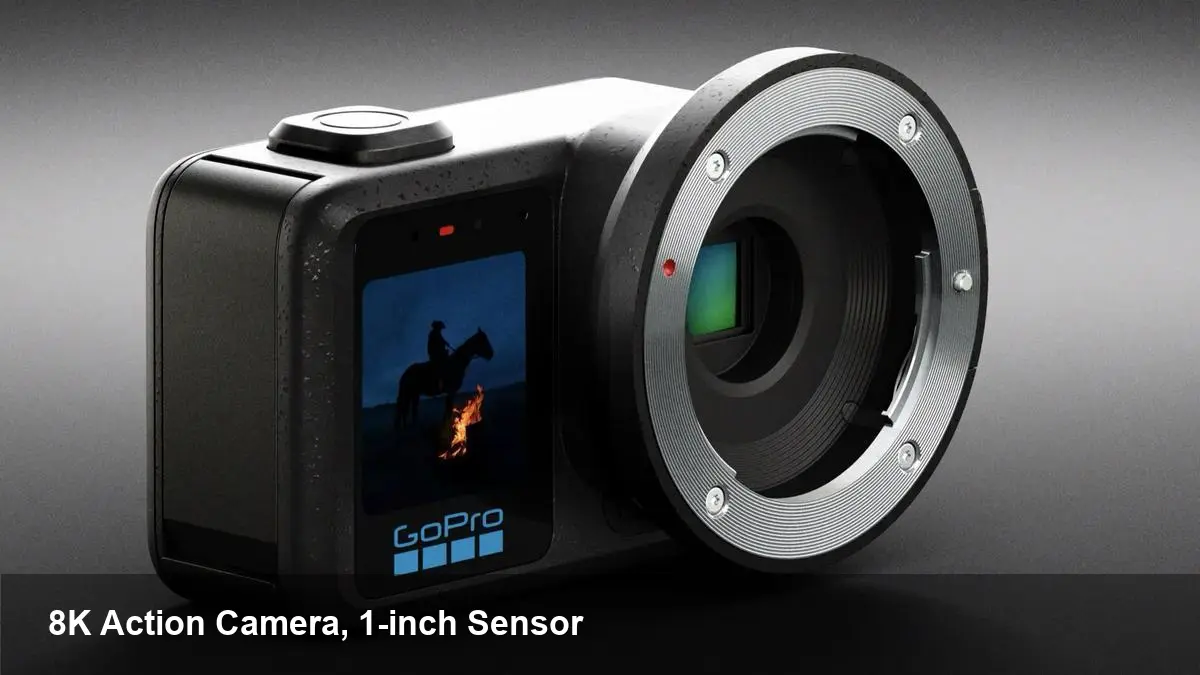
GoPro's MISSION 1 marks a clear shift in what an action camera can be. With a 1" 50-megapixel sensor and 8K video capability paired with an interchangeable lens mount, the product aims at creators who need the rugged portability of an action cam but the image fidelity and flexibility of cinema cameras.
This isn't a simple incremental upgrade of a consumer hero model — it's a repositioning. MISSION 1 signals GoPro's intent to serve filmmakers, content studios, and advanced creators who want compact hardware that fits into professional production pipelines.
Why the 1" 50MP sensor matters
Sensor size and pixel count shape more than just resolution. A 1" sensor is substantially larger than the tiny chips in most action cameras, and a 50MP readout opens new creative workflows:
- Better low-light performance and cleaner highlights/shadows compared with smaller sensors.
- Shallower depth of field potential for more cinematic separation between subject and background.
- High-resolution stills that can be reframed, cropped or stabilized in post without losing detail.
For travel filmmakers who want both gorgeous landscape stills and polished video, that flexibility is huge: one compact camera can cover both needs.
8K video: future-proofed, but workflow-heavy
Shooting 8K gives you tremendous latitude for reframing, stabilizing and downscaling to 4K for cleaner results. It’s a clear advantage for projects that demand high-end delivery or allow heavy post-processing.
But 8K isn't a magic bullet:
- Storage and transfer: file sizes balloon quickly; fast UHS-II/CFexpress cards and large SSDs become mandatory.
- Editing horsepower: timelines will need modern GPUs and plenty of RAM to avoid painful render times.
- Proxy workflows: to keep editing responsive, teams will almost certainly build proxies and do color grading on lower-res copies.
If you're upgrading to MISSION 1, plan your pipeline first: from card ingest and color pipelines to archive strategy.
Interchangeable lenses: a new ecosystem for action rigs
The move to an interchangeable lens mount is arguably the most disruptive feature. It expands how MISSION 1 can be used:
- Swap from ultra-wide for POV action to medium tele for interviews or wildlife without changing camera systems.
- Match lenses for aesthetic consistency across cameras in multi-cam shoots.
- Use specialty optics — stabilised, macro, or anamorphic — to suit specific storytelling needs.
Early adopters will want to evaluate lens availability and how quickly a third-party ecosystem emerges. At launch, glass selection may be limited compared with mature mirrorless systems, but the potential is to combine compact cinema image quality with the adaptability professionals expect.
Practical scenarios where MISSION 1 shines
- Adventure filmmaker: Mount one MISSION 1 to a helmet for on-trail POV, keep another on a gimbal for smooth cinematic sequences, and extract 50MP stills for print-ready campaign images.
- Sports broadcast: Deploy multiple compact MISSION 1 units around a course for multi-angle slow-motion coverage, using 8K to crop in for close-ups while retaining full-resolution master files.
- Run-and-gun documentary: Use fast lenses and the camera’s small footprint to get close to subjects without the intimidation factor of larger cinema setups.
Each use case trades off heat, battery life and data handling against image quality. Production teams will need to design battery rotations and media swaps into their shoot plans.
Developer and post-production implications
For software teams and post houses, MISSION 1 introduces new requirements and opportunities:
- NLEs and color tools will need to support the camera’s codec, metadata, and high-bitrate formats efficiently.
- Cloud-based editing and collaborative workflows must handle very large assets or rely on smart proxying and transcoding pipelines.
- Lens metadata becomes more important for lens correction, stabilization and automated color matching across cameras.
There’s also potential for third-party apps and plugins that automate ingest, create smart proxies, or provide LUTs tailored to the camera’s color science.
Trade-offs and realistic limits
No camera is perfect. Expect limitations that influence purchasing decisions:
- Thermal management: packing high-resolution sensors and processors into a compact body creates heat challenges during extended 8K recording.
- Battery life: higher resolution and processing demand usually reduces run time between charges.
- File management: larger files mean more robust on-set workflows and bigger archive costs.
Understanding those trade-offs will help teams decide whether to replace a current kit or add MISSION 1 as a complimentary tool.
Business and market impact
With MISSION 1, GoPro is not only courting prosumers but also challenging niches occupied by compact cinema cameras and lightweight mirrorless rigs. This blurs product categories and forces competitors to rethink portability versus image quality.
For rental houses and production companies, a small, cinema-capable action camera reduces setup time and gear logistics on location shoots. Expect rental offerings and accessory bundles that make MISSION 1 useful in traditional film workflows.
Three forward-looking implications
- Hybrid cameras will become the norm: Compact boxes that shoot cinema-grade video and high-resolution stills will see wider adoption across travel, news and indie filmmaking.
- Lens ecosystems will unlock new creative patterns: As more optics become available, filmmakers will use small bodies for shots historically reserved for larger cinema cameras.
- Infrastructure must catch up: The rise of affordable 8K capture will accelerate demand for faster codecs, smarter proxying tools and cloud services optimized for very high-resolution media.
Is MISSION 1 right for you?
If you’re a creator who prioritizes image quality but needs a compact, mountable, and flexible system, MISSION 1 is compelling. If your workflow is already optimized for heavy post-production and you can absorb the storage and processing needs, the camera promises real gains. For casual shooters or teams constrained by budget and infrastructure, the benefits may be harder to justify right away.
GoPro’s move recalibrates expectations: action cameras can now enter cinematic workflows without forcing users to carry full-size cinema gear. For filmmakers and studios, that opens creative options — as long as you plan the pipeline around 8K and high-resolution assets.