Framework Laptop 13 Pro: The modular MacBook Pro alternative

A different route to high-end laptops
Framework has built its reputation on repairable, upgrade-friendly notebooks that challenge the ‘closed’ design philosophy of most mainstream vendors. With the Laptop 13 Pro, Framework is aiming squarely at buyers who might otherwise choose a compact high-performance machine like Apple’s M5 MacBook Pro — but who want Linux-first compatibility, predictable long-term ownership costs, and the ability to repair or evolve their machine over time.
Below I break down what matters about this new model for developers, Linux users, and small teams evaluating hardware choices.
What the Laptop 13 Pro brings to the table
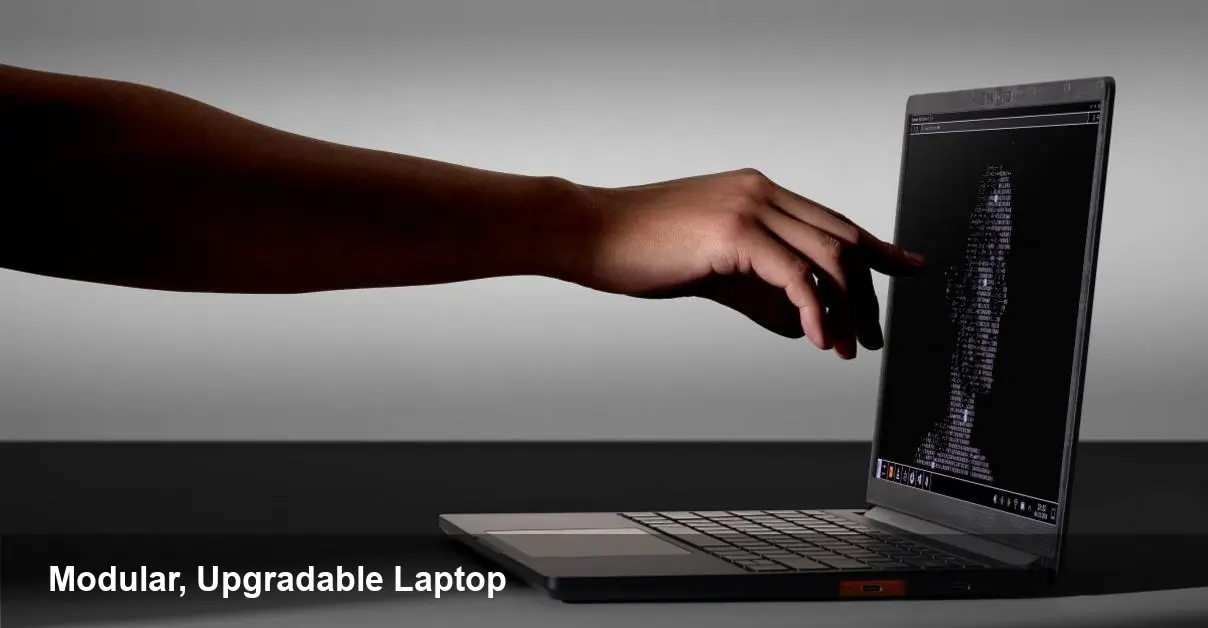
At a glance, the Laptop 13 Pro keeps Framework’s defining trait: modularity. The chassis uses CNC-machined aluminum for a premium feel that also improves durability and thermal characteristics compared with cheaper stamped shells. Framework highlights battery life gains, making the machine credible for day-long use without frequently hunting for power.
The core selling point remains the upgradable architecture. Instead of soldered components and proprietary modules that force full-system replacements, this design lets you swap or upgrade key parts over the laptop’s life — storage, networking modules, and other components that are often the first to become obsolete. For people who like to tinker, or businesses who prefer predictable refresh cycles, that’s a compelling proposition.
Why Linux users and developers should pay attention
Apple’s M-series machines have reset expectations for battery life and performance-per-watt, but they also introduced closed, SoC-driven platforms that are tightly coupled to macOS. Framework’s alternative targets a different audience: those who want a laptop that runs Linux or other open systems without complicated workarounds.
Practical benefits for developers include:
- Easier driver and firmware management: modular parts and a more conventional hardware stack mean fewer surprises when managing kernels, firmware updates, or custom OS builds.
- Repairability reduces downtime: if an SSD or Wi-Fi card fails during a development sprint, swap-and-replace is fast and inexpensive compared with sending a sealed device for factory service.
- Flexible I/O and expansion: the modular approach lets teams adopt new connectivity standards quickly, whether that means swapping in a newer wireless card, adding specialized ports, or testing alternative storage configurations.
These traits matter for open-source projects, edge deployments, and multi-OS development workflows where control over hardware behavior is as important as raw CPU performance.
Real-world scenarios: who benefits most?
- The independent developer who runs daily Linux builds, keeps multiple distro images, and needs reliable battery life on the go. Instead of juggling external drives and dongles, they can fit the right internal components and keep them current.
- Startups and small engineering teams that need consistent hardware behavior across machines, but also want to avoid replacing entire laptops when a single component ages or a new connectivity standard (like Wi-Fi or cellular) becomes essential.
- Repair shops and refurbishers who can extend device life with replacement parts, lowering TCO and hitting sustainability targets.
Trade-offs to consider
No device is perfect for every use case. Compared with tightly integrated ARM systems like Apple’s M5 MacBooks, an upgradable x86-class laptop typically trades some absolute efficiency for openness and flexibility. That can mean slightly less impressive raw battery life or thermals in certain workloads, although Framework’s CNC chassis and engineering choices aim to close that gap.
Software-wise, while a more conventional architecture simplifies Linux support, some bleeding-edge components or firmware features may still require upstream kernel updates or vendor firmware releases. If you need immediate out-of-the-box support for the very latest wireless or power-management features, budget time for testing and updates.
Finally, modularity relies on a healthy parts ecosystem. Framework has cultivated that so far, but the long-term value depends on whether replacement and upgrade parts remain accessible and affordable.
Business value: total cost of ownership and sustainability
For procurement teams, the Framework approach reframes laptop buying from an annual replacement exercise to a lifecycle management strategy. Upgrades and repairs cut down on e-waste and capital outlay: rather than procuring a new fleet because batteries and storage have degraded, swap in replacements and add new capabilities to existing units.
That matters for companies tracking carbon footprint and regulatory compliance, too. Devices that are easier to repair and refurbish simplify asset recovery programs and give IT better visibility into when parts actually need replacement versus full-device refresh.
Limitations and practical tips
- Confirm driver support for your chosen Linux distribution before buying. The architecture is friendlier to open OSes than many laptops, but specific kernels or firmware may be required for certain modules.
- Think ahead about which components you may want to upgrade. If you plan to keep the machine for several years, budget for one or two component replacements (SSD, Wi-Fi, battery) rather than assuming the base configuration will be enough forever.
- For enterprise deployments, establish a parts and spares policy. Keeping a small inventory of common replacement modules reduces turnaround time and keeps teams productive.
Where this pushes the market next
1) More mainstream awareness of upgradeability: as Framework pushes premium build quality into modular designs, other vendors may be nudged toward offering longer-lived devices or at least easier repairability. 2) Better Linux-first hardware tooling: demand from developers and open-source projects could accelerate vendor support and tooling for Linux on modern laptops, including firmware distribution channels and automated testing for components. 3) A maturing parts marketplace: if more users buy into upgradeable hardware, third-party vendors and refurbishers will have incentives to produce compatible modules, lowering prices and increasing choice.
Whether you're choosing hardware for yourself or evaluating fleet options for a team, the Framework Laptop 13 Pro represents an important alternative to the sealed, single-OS laptops that dominate the premium segment. It’s not just about keeping a laptop longer — it’s about keeping control over what your machine does and how it evolves.
If you value freedom to repair, the ability to run the OS you prefer, and a predictable upgrade path, this model is worth adding to your shortlist. If raw, platform-level efficiency or seamless support for macOS-specific tools is your priority, the trade-offs may still point you toward other systems. Either way, Framework’s move is a useful nudge in the direction of more sustainable, user-friendly hardware design.