Amazon’s art-forward Fire TV arrives April 22

What Amazon just announced (briefly)
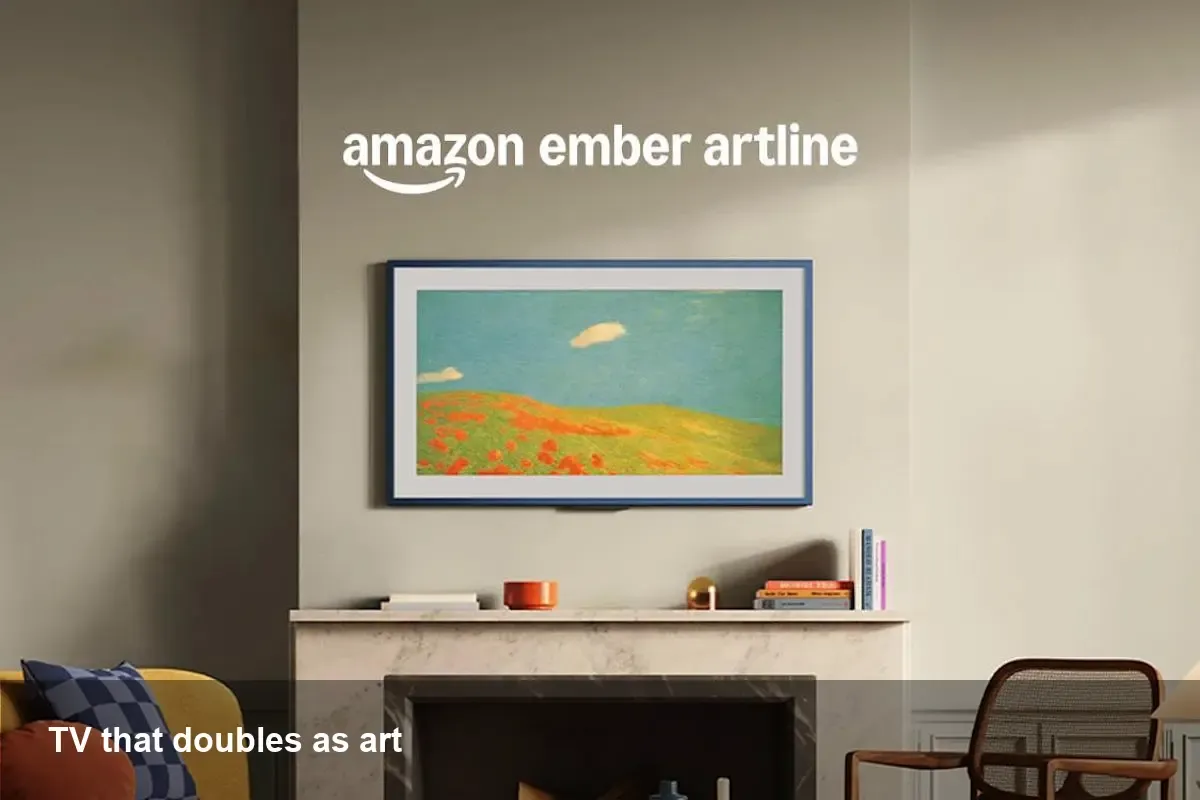
Amazon is introducing a price-conscious Fire TV model that can function as wall art when you’re not watching shows. It starts shipping April 22 and comes with access to more than 2,000 pieces of artwork at no extra charge. Think of it as a lower-cost alternative to frame-style TVs that aim to blend into a living space rather than announce themselves as a black rectangle.
Quick background: where this fits in the market
Over the past several years, TVs that double as framed artwork have become a niche but influential product category. Premium models target interior-conscious buyers who want a display that doesn’t dominate a room when idle. Amazon’s entry moves that concept toward a mainstream price point and plugs it into the Fire TV ecosystem — which matters because it combines streaming, voice controls, smart-home features, and a ready software platform.
For homeowners, the appeal is simple: a single device that plays movies and shows, and also becomes a curated display of images when idle. For Amazon, it’s another step to keep consumers inside its services while expanding the product lineup to match real-world home design priorities.
How you might actually use it
- Living room gallery: Set the TV to show curated art prints during daytime hours and switch automatically to streaming at night. The built-in artwork collection (2,000+ pieces free) gives you immediate variety without subscriptions.
- Home office backdrop: Flip to art during meetings or use a tranquil landscape to reduce screen fatigue between sessions.
- Rental or hospitality setups: Hotels, Airbnbs, and short-stay apartments can use a TV that looks decorative and upscale when guests aren’t watching content.
- Rotating family album: Use personal photos or curated collections to give a cozy, lived-in feel without taking up wall space.
These scenarios are practical because the device blends utility and design. For people who host frequently or value interior aesthetics, the feature reduces the need for separate decorative elements.
Developer and partner opportunities
If you build apps or services on the Fire TV platform, this product creates a few specific openings:
- Ambient-first apps: Create gallery apps tailored to long-duration display—think seasonal exhibits, branded art collections, or well-composed photography slideshows that adjust brightness and color temperature for ambient viewing.
- Hospitality integrations: Companies that manage guest experiences can integrate property-specific content (local art, guides, promotions) that appears when the TV is idle, giving a higher-end feel to budget properties.
- Smart-home scenes: Developers can tie the TV’s art mode into home automations—trigger certain art collections when the house shifts to “evening” mode, or dim the display when smart lights are set to a specific scene.
Because Fire TV supports third-party apps and Alexa voice control, these integrations are relatively straightforward for developers already building on Amazon’s ecosystem.
Business value and ROI considerations
For retailers and small hospitality operators, a lower-cost frame-style TV reduces upfront hardware spend while improving perceived room quality. Instead of buying separate art, a single screen can fulfill both roles. For Amazon, the product promotes longer platform engagement (more time in front of a Fire TV means more opportunities for content discovery and purchases).
For consumers, the value equation depends on how much they care about aesthetics versus absolute picture fidelity. If you want a seamless piece of wall décor that occasionally streams video, the economics tilt in favor of a device like this; if you’re prioritizing top-tier panel quality for cinema-level viewing, premium alternatives still lead.
Practical limitations to be aware of
- Image quality vs. dedicated art displays: TVs optimized for video may not match the matte texture or viewing-angle neutrality of premium “frame” TVs or actual printed art.
- Screen burn and longevity: Long-duration static displays can increase risk of image retention on some panels. Use built-in movement/refresh features or schedule automatic sleep cycles to mitigate.
- Integration depth: The experience will be influenced by how open Amazon lets third parties upload or sell art collections. If the ecosystem is restrictive, customized content may be harder for businesses to deploy.
A couple of real-world setups to consider
1) Minimalist living room — Mount the TV at eye level, set a daytime art schedule that displays curated black-and-white photography, and use Alexa routines to switch to streaming with a voice command. Result: uncluttered wall that still feels personal.
2) Boutique hotel — Configure each room’s TV to show local artist highlights when idle. Partner with regional galleries to rotate content monthly; offer guests a QR code to buy prints. Result: an elevated guest experience and a new revenue stream for the property.
Longer-term implications
- Democratizing design: Making art-mode TVs more affordable shifts them from a niche luxury into an accessible home design tool. Expect more vendors and retailers to offer similar hybrid displays.
- Content ecosystems matter: The device’s success will hinge on the quality and variety of its art library and how easy it is for creators and brands to publish collections. Marketplaces that allow artists to monetize could accelerate adoption.
- Smarter ambient experiences: As smart homes get smarter, displays that transition between informative, decorative, and entertainment roles will become a standard expectation, not an edge feature.
Who should consider buying one
- Anyone who wants a TV that blends with their décor and prefers a clean aesthetic over having a blank black screen.
- Small hospitality operators looking for a cost-effective way to polish guest rooms.
- Developers and creative professionals interested in building ambient, long-duration content for living spaces.
Amazon’s approach lowers the barrier for consumers and businesses to adopt art-forward displays. If you’re redesigning a room or managing guest-facing spaces, it’s worth watching this model — and experimenting with how a screen can be both functional and decorative at the same time.