How the Pokémon x Target Drop Changes Retail Playbooks

Why a Pokémon x Target collaboration matters now
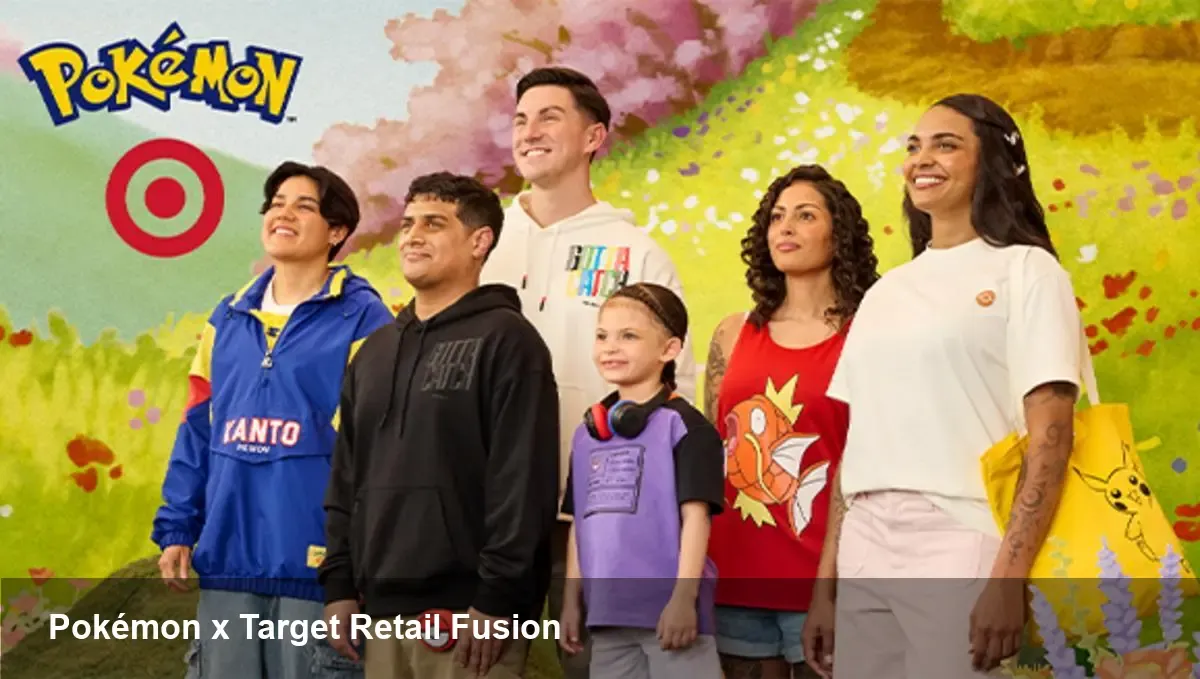
Bringing a massive entertainment IP into a big-box retail environment is more than merchandising; it's a playbook for driving in-store discovery, social media buzz, and cross-channel data capture. Target partnering with the Pokémon franchise and featuring Pokémon GO activations in stores combines collectible product scarcity with location-based mobile engagement — a recipe many retailers want to replicate.
For product teams and founders, this is an instructive case: tie an emotional, widely recognized IP (Pokémon) to a predictable retail funnel (Target) and layer in digital hooks (Pokémon GO). The result is higher foot traffic, impulse purchases, and opportunities to collect first-party behavioral signals.
What the in-store activations and collection presence look like
- Exclusive merchandise: Target is offering items you can’t find everywhere — plush, apparel, home goods and branded bundles — placed to create destination shopping moments. Exclusives create urgency and social shareability.
- Pokémon GO tie-ins: In-store promotions integrated with Pokémon GO bring mobile-first experiences into the aisles. That can be anything from sponsored in-game elements to localized promotions that encourage players to visit specific locations.
- Cross-promotional merchandising: Expect endcap displays, QR codes, and staff-led activations around release weekends. The physical layout nudges shoppers into behaviors (photo ops, unboxing videos, impulse buys).
These elements combine to turn a shopping trip into an event: not just buying a product, but participating in a limited-time experience.
Concrete scenarios for retailers, developers, and brands
Scenario 1 — Weekend launch spike: Target schedules a “drop weekend” with exclusive stock and in-store Pokémon GO spawns. Outcome: a measurable lift in weekend foot traffic, longer dwell times near the display, and a spike in social posts using a campaign hashtag.
Scenario 2 — Loyalty funnel integration: Target ties exclusive items to its loyalty program. Members who scan a QR code in the app unlock early access or an in-app coupon. This captures email/ID-linked data and increases CLV by converting casual visitors into repeat buyers.
Scenario 3 — Third-party developer activation: A small AR studio partners with Target to build an AR scavenger hunt inside the store (integrated into Target’s app). Shoppers unlock discounts after finding branded AR creatures, blending gamification and conversion.
These scenarios are realistic and repeatable: the core ingredients are IP, localized digital experiences, and in-store friction reduction (clear signage, fast checkout).
Practical steps for implementation (for product and engineering teams)
- Map the customer journey: define how a shopper moves from discovery (ad, social post) to in-store action and to post-purchase engagement. Identify touchpoints for mobile interactions (QR, geofence, beacons).
- Choose integration points: use QR codes for low-friction entry, geofencing or Bluetooth beacons for contextual triggers, and tie rewards to the loyalty ID to collect opt-in data.
- Track events with UTM and first-party analytics: measure visits, dwell time, redemption rate, and uplift in basket size. If you run in-app AR, instrument events (AR session start, completed task, coupon claimed).
- Prepare operations: train staff, set inventory limits, and implement clear return/exchange policies for exclusive items to limit friction and negative social feedback.
For developers, prioritize lightweight SDKs and offline-resilient experiences. Heavy AR or large downloads will reduce conversion on a short, attention-driven campaign.
Metrics that matter to the business
- Foot traffic lift and conversion rate (visits → sales)
- Average order value and attach rate for exclusive items
- Redemption rates for in-store digital coupons and loyalty enrollments
- Social engagement and earned media reach (mentions, user-generated content)
- Incremental customer acquisition cost: how much each new loyalty member cost relative to their expected lifetime value
Tie these back to a hypothesis (e.g., “a Pokémon-themed drop will increase weekend foot traffic by X% and generate Y new loyalty signups”) and test with A/B or temporal control stores.
Trade-offs, risks, and operational challenges
- Inventory and scalping: popular exclusives sell out fast. That’s good for buzz but bad for customer sentiment and support volume.
- Complexity and cost: integrating in-store geolocation, AR, and app tie-ins requires cross-functional investment — product, mobile engineering, retail ops.
- Privacy and opt-ins: location-based activations need clear consent and careful use of first-party data to avoid regulatory headaches.
- Short-lived attention: IP-driven drops create spikes, not always durable growth. Plan for how to convert spike shoppers into long-term customers.
Strategic opportunities for startups and in-house teams
- Build modular activation stacks: small teams can productize QR-triggered AR or scavenger hunts that are rebrandable for other IP partners.
- Offer measurement-as-a-service: many retailers lack attribution for in-store campaigns. A simple signal aggregation layer that ties app interactions to POS events can sell well.
- Micro-experiences as inventory drivers: create products that are purely experiential (photo backgrounds, live events) to boost time-in-store and social sharing without heavy discounting.
Three forward-looking implications
- Location-first gaming as a retail channel will scale: Retailers that learn to host and monetize localized mobile entertainment will win recurring foot traffic.
- IP partnerships shift acquisition economics: Using a global brand like Pokémon changes customer acquisition dynamics — expect higher CPA on first interaction but improved long-term retention if paired with loyalty.
- Offline-to-online data loops become more valuable: Tracking in-store activations through opt-in loyalty and app events builds a first-party dataset that's more defensible in a privacy-first world.
Whether you’re a product lead, a retail planner, or an indie developer, the Pokémon x Target-style collaboration is a proven template: combine must-have exclusives, mobile engagement mechanics, and clear measurement. If you’re planning your own activation, start small (QR + coupon), instrument everything, and iterate fast based on real foot-traffic signals.