Turn Your Photos into an AI-Powered Closet

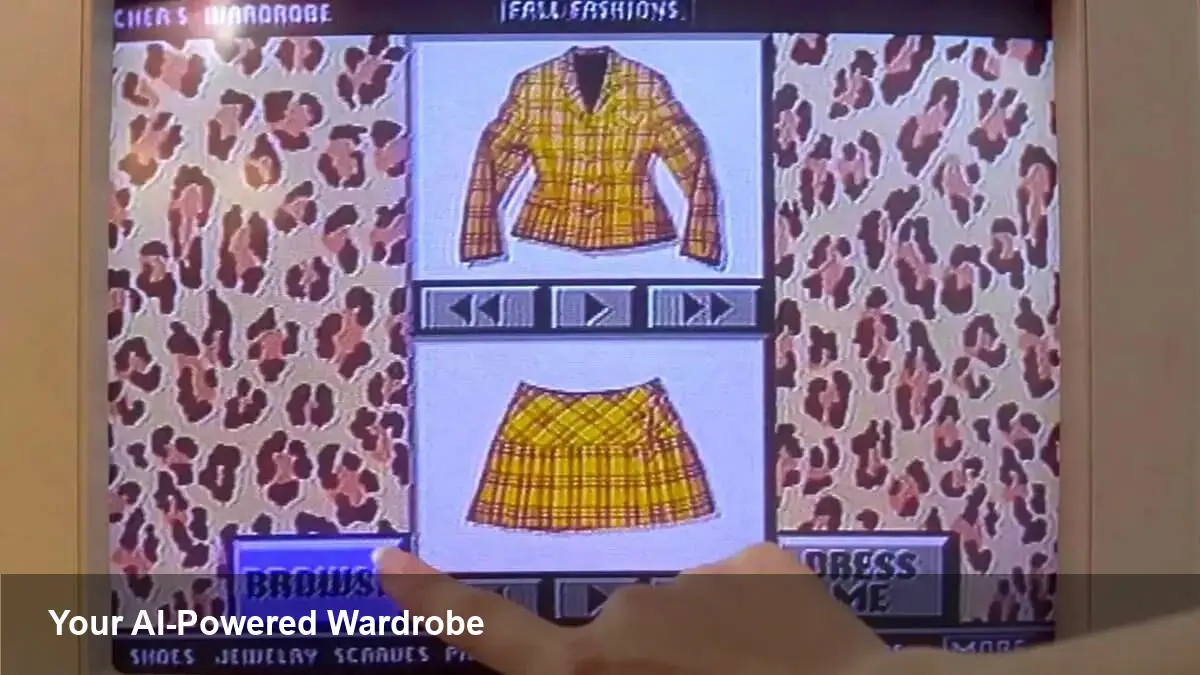
A closet that lives in your camera roll
Google is rolling AI deeper into Google Photos with a feature that automatically assembles a virtual wardrobe from the clothes in your pictures. For everyday users this looks like an organized catalog of shirts, dresses, shoes and accessories, but under the surface it’s an experiment in scaling visual recognition, personal metadata, and contextual recommendations.
This matters because people already capture wardrobes by accident: outfit selfies, travel snaps, family photos. Turning that messy collection into a searchable, outfit-aware resource changes how consumers plan outfits, pack for trips, sell used items, and interface with fashion commerce.
How the feature likely works (without the marketing gloss)
At a technical level, building an AI closet combines several familiar computer vision and ML building blocks:
- Image detection and segmentation: algorithms identify clothing regions in photos and separate them from background and body. This enables cropping garments or extracting silhouettes for visualization.
- Attribute classification: models label items with attributes such as category (jacket, dress), color, pattern, and sometimes brand if logos are visible.
- Deduplication and clustering: many photos contain the same piece; the system groups repeats so your closet doesn’t fill up with duplicates.
- Metadata linking: timestamps, location, and context from the photo help build usage history (“worn last month”, “worn for an event”).
- On-device vs cloud processing: privacy-conscious implementations will try to keep sensitive parts local, while more compute-heavy or cross-user features tend to use cloud models.
For a user the result is a set of entries representing items in their wardrobe, often with suggested tags, outfit pairings, and the ability to favorite, hide, or correct mistakes.
Everyday scenarios where an AI closet adds value
- Outfit planning: search “black sneakers” or “striped sweater” and get instant matches from your own closet. Pairing suggestions can accelerate getting dressed or preparing looks for social media.
- Travel packing: generate a capsule wardrobe from your catalog. The feature can flag versatile pieces, count tops vs bottoms, and suggest what to pack based on destination photos and trip length.
- Resale and decluttering: quickly assemble photos and descriptions for items you want to sell, or create a “donate” pile by filtering rarely worn pieces.
- Memory and event recall: know what you wore to a previous wedding or job interview using date-based filters rather than relying on memory.
- Personal stylist and discovery: when combined with style recommendations, the virtual wardrobe can surface neglected items and suggest fresh combinations — acting like a pocket stylist.
Concrete example: Sara has hundreds of photos across five years. After enabling the closet feature, Google Photos finds 120 distinct garments, tags them by color and category, and creates a “Weekend Capsule” of 10 items that mix and match for a three-day trip.
What this means for developers and businesses
- Commerce integration: retailers can plug into these catalogs to recommend new purchases that complement existing items. Imagine a “complete the look” button that matches user-owned items with store inventory.
- Resale marketplaces: automated item extraction lowers the barrier for listing secondhand items. Startups can build streamlined listing flows that pre-fill title, category and suggested price ranges.
- APIs and extensions: if Google exposes programmatic access, developers could build custom styling apps, packing tools, or inventory management for small boutiques.
- Data signals for personalization: wardrobe metadata is a rich behavioral signal — what you wear, how often, and in what contexts — useful for targeted marketing, loyalty programs, and trend analysis.
Businesses should weigh the upside of richer personalization against the privacy expectations that come with analyzing personal photos.
Privacy, accuracy and bias — the trade-offs
Any feature that inspects personal media raises legitimate concerns:
- Misclassification: color, pattern and item type are easy to get wrong in low-light or obstructed images. Users must be able to correct errors and remove items.
- Sensitive content: images can include people, locations and private contexts. Processing choices (on-device vs cloud) and clear opt-in flows will shape user trust.
- Bias in models: training data shapes what the AI recognizes. Uncommon styles, cultural garments, or non-Western clothing might be misidentified more often.
- Data use and advertising: wardrobe data could become attractive for advertisers. Transparency about how catalog data is used — for recommendations, ads, or shared with partners — will be critical.
A practical mitigant is granular controls: let users decide whether clothing extraction is local, whether items are shared with third-party shopping partners, and provide an easy way to edit or delete entries.
Limitations and realistic expectations
- Not everything in your photos will be captured. Items in crowded scenes, heavily layered outfits, or partially visible garments can be skipped or mis-labeled.
- The feature won’t replace human judgment for style; it is an assistive tool that surfaces possibilities, not a definitive stylist.
- Cross-account wardrobes and family-shared collections introduce complexity: who controls the catalog for shared photos?
Where this could lead next
- Augmented try-on and AR: link the catalog to AR try-on so you can visualize how a new item pairs with pieces you already own.
- Commerce-first ecosystems: tighter integrations with retailers and resale platforms could turn your virtual wardrobe into an active marketplace.
- Privacy-preserving models: federated learning approaches may enable personalization without centralizing image data — a likely direction if regulatory pressure grows.
For consumers the immediate benefit is practical: fewer outfit dilemmas, easier packing, and faster resale listings. For developers and businesses, the opportunity is to build services that connect personal inventories to commerce, logistics, and styling — while addressing the privacy and fairness challenges this data introduces.
If you frequently photograph your outfits or struggle packing for trips, this kind of feature is worth trying. It’s not a magic closet yet, but it’s a step toward making the photos you already take work harder for you.