How OpenAI’s Codex 'Pets' Reframe Developer Workflows

What are Codex "pets" and why they matter
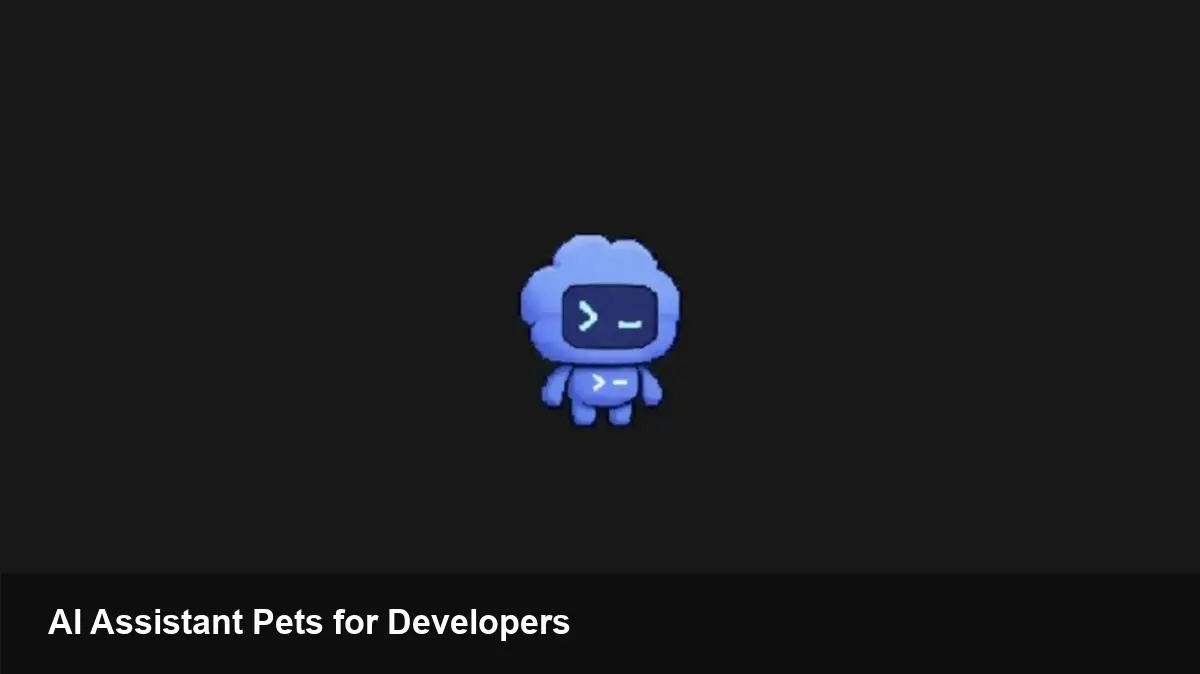
OpenAI has taken the idea of conversational coding assistants and wrapped it in playful, persistent avatars: AI-generated "pets" inside the Codex app. Think of them as small, context-aware teammates that live with your repository, respond in natural language, run snippets, and suggest changes—an evolution beyond one-off chat prompts and more of a continuous, personalized assistant.
If you remember Microsoft’s Clippy, the comparison is inevitable. The difference is practical: Codex pets are built on models that can execute code, inspect project state, and generate targeted developer artifacts (tests, refactors, docs), so they can be genuinely useful rather than just an interruption.
Brief background: OpenAI and Codex
OpenAI’s Codex is the family of models designed for transforming natural language into code and for helping developers work faster. It powers tools like GitHub Copilot and is increasingly embedded in products as an API and standalone app. The addition of AI-generated assistant avatars shifts interaction patterns from short prompts to continuous, multimodal collaboration inside developer workflows.
Typical scenarios where a pet adds value
- Onboarding a new engineer: Instead of reading scattered READMEs, a pet can summarize the architecture, highlight important modules, and provide a checklist of files to review. It can even generate a suggested first-PR template or a mini-task list tailored to the repo.
- Writing tests and refactors: Ask the pet to generate unit tests for a function or propose a safe refactor. It can produce a patch or a branch with the changes, which speeds up repetitive work and reduces the friction of small improvements.
- Incident triage: A pet with access to logs and CI output can summarize recent failures, point to likely causes, and draft a hotfix plan. It’s especially useful when teams need fast context without hopping between dashboards.
- Documentation and code explanation: The pet can produce plain-language explanations of complex modules, generate diagrams, or scaffold API reference pages.
Each scenario reduces context switches—developers keep momentum and get targeted outcomes instead of generic suggestions.
How this changes developer workflows
- Persistent context: Unlike ephemeral chat sessions, pets can remember repository context, prior conversations, and team preferences. That continuity means suggestions can be more relevant over time.
- Actionable outputs: Pets aren’t just conversational; they can run linters, generate patches, open PRs, or create test runs. That closes the loop between asking and shipping.
- Reduced cognitive load: By turning routine tasks into natural-language requests, pets let developers focus on architecture and tricky problems instead of repetitive chores.
- New review dynamics: With pets proposing changes, reviewers will need to validate AI-generated patches. This raises the bar for reproducibility and testing automation in review workflows.
Implementation considerations for teams
- Access control: Pets that can read and modify repositories must be governed. Implement strict scopes, least-privilege access, and audit logs so pets can’t leak secrets or make unreviewed production updates.
- Human-in-the-loop policies: Use review gates for any automated PRs or patches. Treat AI suggestions like junior engineer submissions—valuable, but verified.
- Observability: Track what pets do—commands issued, files touched, and tests added. This is necessary for compliance and to measure productivity impact.
- Cost and latency: Running code, CI checks, and model inference have operational costs. Design pets to batch or delay noncritical tasks to control burn.
Pros, cons and realistic limits
Pros
- Faster routine work: Generating tests, docs, and boilerplate becomes trivial.
- Personalized assistance: Pets can mirror team conventions, naming schemes, and style guides.
- Better onboarding: New hires can get immediate, hands-on orientation.
Cons and limits
- Hallucinations and incorrect code: Models still invent plausible but wrong code. Output must be validated.
- Security risk: Giving model access to internal systems creates a new attack surface.
- Trust and anthropomorphism: Friendly avatars can increase trust prematurely; teams should avoid over-reliance.
- Integration complexity: Embedding pets into existing CI/CD and permission models can be nontrivial.
How to adopt safely (a short playbook)
- Start read-only: Let pets analyze repos and suggest changes without write access.
- Add review gates: Require human approval for all AI-generated PRs until confidence is proven.
- Monitor metrics: Track PR throughput, time-to-first-commit for new hires, and bug regression rates to quantify benefits.
- Tame the model: Configure style guides, linters, and test thresholds so pets produce team-aligned outputs.
- Apply data controls: Mask secrets, limit external API access, and keep audit trails.
Future implications and three practical insights
- Assistants as persistent teammates: Expect assistants that retain project memory across sessions and tools (IDE, issue tracker, CI), enabling long-lived collaboration patterns rather than ad-hoc help.
- Toolchain orchestration: Pets will increasingly coordinate multiple systems—CI, monitoring, deployment—acting as lightweight automation agents that can propose and execute cross-system fixes.
- Governance will drive adoption: Enterprises will adopt pets only when robust controls, auditability, and compliance features exist. Expect governance features to become a major purchasing criterion.
When a pet is right for your team
If your team struggles with documentation debt, onboarding friction, or repetitive test generation, adding a Codex pet—initially in read-only mode—can yield immediate wins. For high-risk production paths or sensitive IP, proceed cautiously: combine pets with strict governance and human review.
These AI-generated avatars aren’t a replacement for experienced engineers, but they can become a force multiplier—helping teams move faster on routine work and spend more time solving novel problems. How you shape the pet’s permissions, visibility, and review flow will determine whether it becomes a helpful teammate or an expensive distraction.