ChatGPT Images 2: Image Generation That Knows the Web

Why this update matters
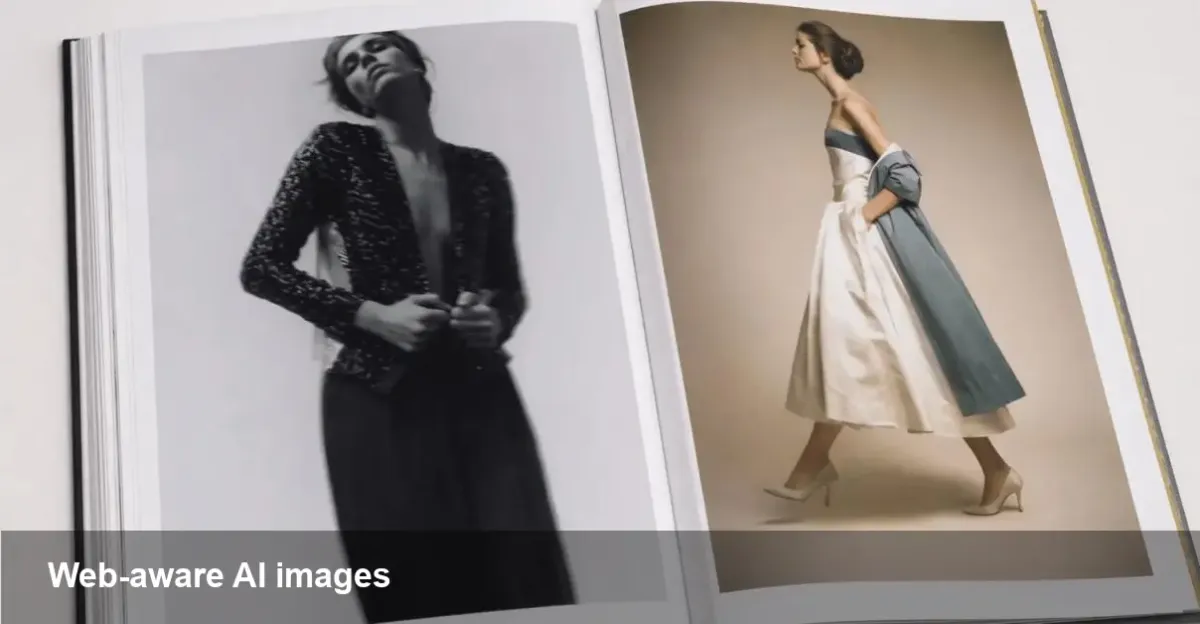
OpenAI just took a significant step in AI image generation by releasing ChatGPT Images 2 — an image generator that can consult the web as part of its creative process. For designers, marketers, product teams, and developers, that’s more than a feature tweak: it changes how generated visuals can stay current, accurate, and relevant to real-world brands, events, and information.
Below I break down what ChatGPT Images 2 brings, practical workflows, risks to watch for, and where this points the industry next.
A quick background on OpenAI’s image tech
OpenAI has been iterating on image models for several years, moving from early research prototypes to integrated experiences inside ChatGPT. Those earlier models made it easy to create stylized, photorealistic, or fantastical imagery from text prompts. ChatGPT Images 2 builds on that foundation by connecting generation to web data, allowing outputs to draw from current information rather than only pretraining knowledge.
That shift matters because it reduces the lag between what an image generator ‘knows’ and what’s happening in the world — an important capability for brands, newsrooms, and product designers who need visuals that reflect up-to-the-minute details.
What ChatGPT Images 2 enables (concrete examples)
- Product mockups that reference real brand guidelines: A designer can generate a landing page hero that incorporates a client’s current logo, color palette, and product shots by asking the model to reference the brand’s live site or assets hosted online.
- Current-event illustrations for publishing: Newsrooms can request illustrations tied to an unfolding story — e.g., a stylized montage referencing a recent conference or legislation — without manually supplying recent reference images.
- E-commerce visuals with live context: Retail teams can generate category banners that reference popular culture moments or seasonal trends the web is discussing right now.
- Localization and cultural sensitivity checks: Because the generator can consult web sources, teams can prompt it to adapt imagery based on regional norms or visually reference locally relevant elements.
These are not just creative conveniences — they streamline workflows. Instead of hunting down references, downloading assets, and iterating with a designer, teams can produce near-final imagery in minutes and then refine as needed.
How developers and product teams can integrate it
- Content pipelines: Embed ChatGPT Images 2 into a content management flow to auto-generate hero images for blog posts that pull in article-specific imagery or icons from referenced URLs.
- Rapid prototyping: Product teams can script prompts that pull competitor screenshots or UI trends from the web to quickly prototype new interfaces while keeping context fresh.
- API-driven personalization: Combine the image generator with user-profile data and live web signals to create marketing assets tailored to current events or trending topics.
Practical tip: treat web-enabled generation as an accelerator, not a black box. Validate outputs against brand assets and compliance rules before publishing.
Business upside — and when it helps most
- Time-to-market: Faster image creation for campaigns and panels reduces production cycles.
- Cost efficiency: Small teams can create quality visuals without large stock photo budgets or full-time designers for every asset.
- Relevance: Marketing and editorial content that references timely themes tends to perform better; web-aware images help achieve that at scale.
This is especially valuable for startups and mid-sized publishers who must iterate fast and keep content timely without growing headcount.
Risks and limitations to watch
- Hallucination and attribution: Pulling from the web introduces new failure modes. The model might misattribute logos, misrepresent facts, or produce derivative works that raise copyright questions. Teams need review gates and provenance checks.
- Intellectual property: Using web images or brand elements as reference can create legal exposure if the generated result too closely mimics protected assets. Legal review and clear usage policies remain essential.
- Misinformation and manipulation: Real-time web-aware images could be used to create convincing visuals tied to breaking events or people, increasing the need for verification and watermarking strategies.
- Performance and cost: Web-aware generation can be more compute-intensive and may have different pricing or latency characteristics compared to purely offline models.
Practical guardrails to implement now
- Human-in-the-loop approvals: Always route web-informed image outputs through a human reviewer when they reference brands, public figures, or sensitive topics.
- Source logging: Maintain a record of the web sources or references the generator used for each image to support attribution and audits.
- Editorial guidelines: Define what level of fidelity to real-world trademarks or likenesses is allowed in automated assets.
- Watermarking and metadata: Embed provenance metadata or visible watermarks where trust or authenticity is critical.
What this means for the future of AI image generation
- Faster convergence between text and real-world context: Models that can reason about up-to-date web content will become standard, enabling more situationally aware creative tools.
- New product categories: Expect services that combine real-time web signals, image generation, and automated campaign orchestration, e.g., one-click ad creatives that adapt to trending topics.
- A renewed focus on governance: As image generators learn from the web, businesses will need stronger rights management, auditing, and ethical guardrails baked into developer workflows.
These trends push AI image generation from a creative novelty toward a production-ready tool — but they also raise the bar for responsible deployment.
How to experiment safely today
Start with low-risk projects: internal prototypes, social imagery that avoids brand likenesses, and localized illustrations that don’t attempt photorealistic depictions of specific people or logos. Build a lightweight approval process and log the references the tool used.
If your team handles branded materials, involve legal early and run a pilot with strict review criteria. For product teams, design API fallbacks and caching strategies to manage latency and cost.
ChatGPT Images 2 points to a near future where image generation is not just creative but context-aware. That unlocks productivity for teams but also demands new practices for verification and rights management. If you’re responsible for content or product visuals, now is a good time to prototype and define the guardrails you’ll need before scaling up.