How Apple’s Video Podcast Push Changes Creator Playbooks

Why this matters now
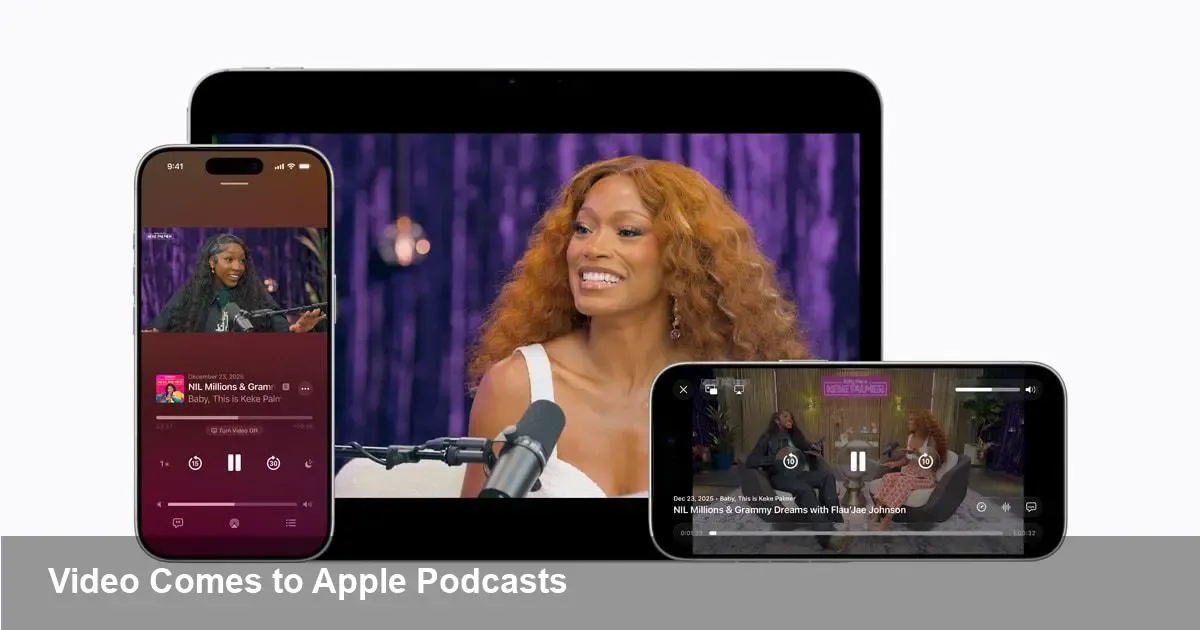
Apple announced a major update to Apple Podcasts coming this spring that layers advanced video podcast capabilities into the app. That’s more than a cosmetic change: video transforms the production, distribution and monetization models that have driven podcasting for the past decade. For creators, publishers and platform builders, the announcement is a signal to rethink workflows, hosting strategy and audience growth plans.
Quick background: Apple Podcasts in the podcasting ecosystem
Apple Podcasts is among the largest listening platforms and often sets expectations for the broader ecosystem. Historically, podcasting has been audio-first — optimized around RSS feeds, chapters, and lightweight downloads. Introducing a dedicated, first-class video experience inside Apple Podcasts means a large swath of listeners will now be able to consume longform episodic content with a visual layer attached, inside the same app they already use for audio.
What this changes for creators and publishers
Below are practical, immediate implications to consider if you produce podcasts or run a publisher business.
- Production bar rises. Video requires additional gear, editing time, and skills. Even a simple video podcast increases cost per episode (camera, lighting, multi-track editing). Expect creators to invest in on-camera presentation, set design or frequent use of guest-capture tools.
- Hosting and bandwidth rethink. Video files are larger than audio. Hosts and CDNs will need to handle higher storage and egress costs, and creators must think about encoding (H.264/AV1), bitrates, file sizes, and adaptive delivery to avoid long load times for audiences on mobile.
- Repurposing opportunities. If you already make audio shows, you can incrementally add a visual element: short video clips, studio multi-cam, or simple single-camera recordings. Clips make good discovery fodder on social platforms and in-app previews.
- Metadata & discovery matter more. Good thumbnails, episode preview clips, and descriptive metadata help surface video episodes. Creators must treat visual artwork and titles with the same discipline as audio metadata to capture click-throughs.
- Audience engagement metrics change. Watch time, view completions, and visual drop-off patterns will need to be measured alongside downloads and listens. Publishers should plan for richer analytics and be ready to interpret different engagement signals.
- Monetization will evolve. Video makes new ad formats possible (pre-roll, mid-roll with viewability metrics, branded content). Apple’s platform tools and subscription options could couple these capabilities with paid channels or premium video-only episodes.
Concrete scenarios — what to do this spring
Here are specific, practical scenarios and quick action steps depending on your role.
- Independent podcaster starting small: Begin by recording your regular audio while capturing a single-camera video. Export a low-resolution video optimized for mobile (720p) to keep file size manageable. Add a short trailer clip for social. Track watch vs listen metrics to understand demand.
- Network or publisher: Audit your library to identify flagship shows that will benefit most from video. Pilot a 6–8 episode season with a higher production budget and measure new-subscriber conversion, average watch time, and ad yield against audio-only baselines.
- SaaS provider or hosting company: Prepare for higher storage and egress. Offer automated encoding profiles for mobile-friendly delivery, thumbnail generation, and analytics hooks for watch time and viewability. Consider tiered plans that account for video bandwidth.
- Advertisers: Test short in-video takeovers and host-read video spots that emphasize visual branding. Work with publishers to capture true viewability metrics and define buyable inventory (audio-only vs video-enabled episodes).
Developer and tooling opportunities
Video podcasts open new product lanes:
- Rich analytics dashboards that combine audio and video engagement.
- Tools for automated video clipping and social-ready exports that remove the need for manual editing.
- Light-weight in-browser or mobile editors focused on multi-track podcast workflows including B-roll, lower thirds, and simple transitions.
- Standards for RSS and feed extensions that reliably advertise video files to different directory apps without fragmentation.
If you build tools or platforms in the podcasting stack, now’s the time to prioritize efficient encoding, preview thumbnails, and watch-time analytics.
Potential downsides and pitfalls
- Higher costs may concentrate power. Small creators face steeper barriers if audiences increasingly expect polished video. That can favor larger media companies or creator collectives.
- Platform lock-in risk. If creators optimize exclusively for Apple’s new experience, distribution on other apps could be inconsistent. Maintaining cross-platform compatibility remains crucial.
- User experience trade-offs. Not all listeners want video — battery use, data caps and context (commuting) limit video consumption. Creators should continue to offer audio-first or audio-only versions.
Three strategic implications for the near future
1) Production ecosystems will professionalize. Expect more turnkey video podcast studios, training programs, and tools aimed at lowering the production complexity for creators.
2) Measurement and ad models will change. Advertisers will demand viewability and watch metrics; CPMs for video inventory may rise, but only if measurement standards and fraud controls follow.
3) Hosting and distribution businesses will pivot. Companies that provide podcast hosting and analytics will evolve into full media platforms—offering video encoding, storage, CDN optimization, and integrated monetization.
How to prioritize your next steps
If you produce podcasts, prioritize a lightweight pilot: pick one show, shoot 3–4 episodes in video, and measure subscriber, engagement and ad yield differences. If you operate a podcast platform or ad company, stress-test your infrastructure for high-bandwidth file delivery and design analytics that combine watch and listen signals. For advertisers, design visual-first creative that complements host-read messaging.
Apple’s move to make video a first-class citizen in Apple Podcasts doesn’t replace audio podcasting — it augments it. The smartest creators will treat video as an extension of their storytelling toolkit: used when it adds value, not simply because it’s new.