Apple’s Siri upgrade hits testing snags

- Key Takeaways:
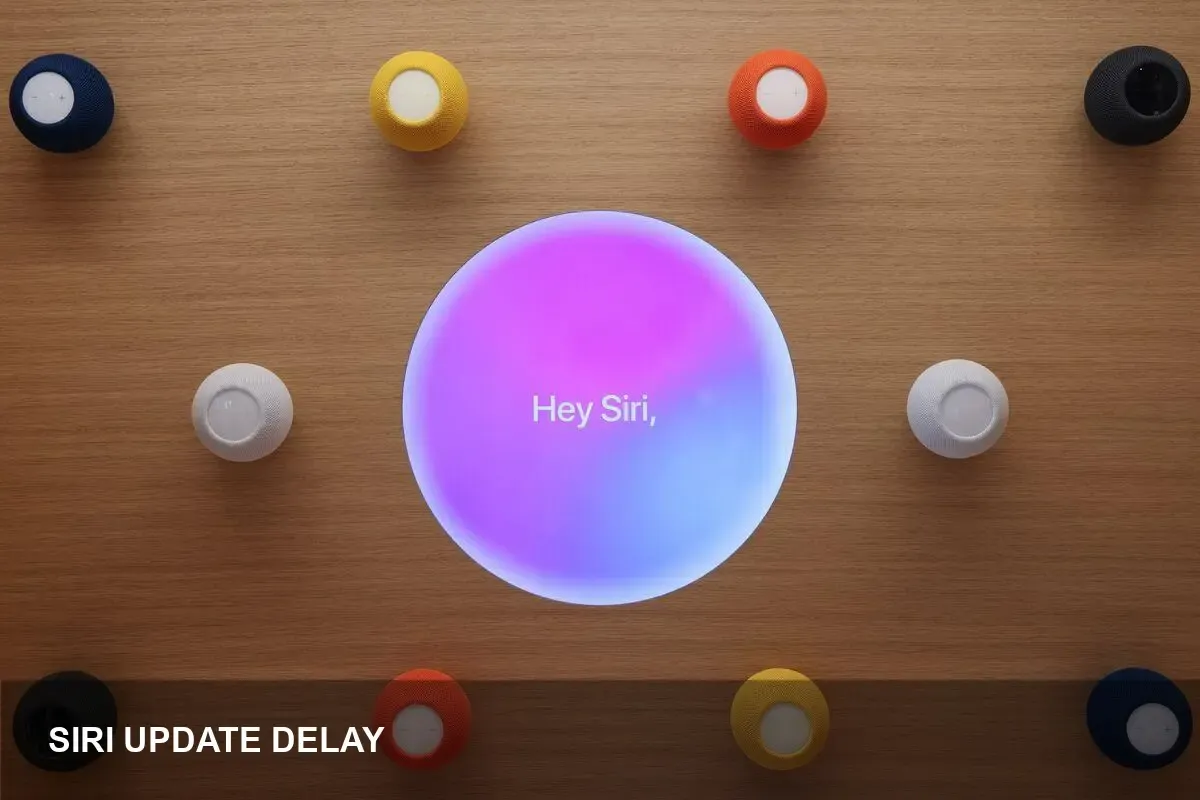
- Apple’s long-planned upgrade to Siri has encountered testing problems in recent weeks, potentially delaying several promised features.
- The issues appear tied to stability and reliability during internal testing, which could push Apple to postpone parts of the launch.
- A phased rollout, additional beta cycles, or feature scaling back are likely remedies that would limit near-term user impact.
- Any delay would affect iOS release planning and puts Apple’s assistant roadmap under closer comparison with Google and Amazon.
What’s happening
Apple’s much-anticipated upgrade to the Siri virtual assistant has reportedly run into snags during testing in recent weeks. The company had been preparing a significant update that would expand Siri’s capabilities, but internal checks have uncovered problems that may push back the public release of several features.
The scope of the delay and which features are affected remains unclear. Apple typically tests major software changes across developer and public betas before a wide rollout, and setbacks at this stage can alter the schedule for an iOS update or a staged feature launch.
Where the problems show up
While details are limited, testing issues for complex assistant upgrades commonly involve stability, natural-language understanding, app integrations, and consistent behavior across devices. Any of these areas could force Apple to slow the deployment to avoid a poor experience for users.
Apple’s emphasis on privacy and on-device processing also increases engineering complexity. Ensuring new Siri functions meet Apple’s performance and privacy bar — while working reliably on a range of iPhones and iPads — may require more development time than initially planned.
Why it matters
Siri’s upgrade has been positioned as a key competitive move against Google Assistant and Amazon Alexa, and delays could give rivals room to highlight their own feature progress. For developers and users expecting new capabilities, a postponed launch means a longer wait for tighter app integrations and advanced conversational features.
For Apple, a careful rollout preserves brand trust; shipping a buggy assistant would likely create more damage than a delay. That trade-off shapes internal decisions about whether to scale back some promised functionality or extend testing.
What to expect next
The most likely responses are additional beta testing cycles, a phased release that ships core improvements first, or trimming some features to meet a near-term schedule. Apple may also push some functionality into later iOS updates rather than a single big release.
Watch for announcements through Apple’s developer channels and upcoming beta notes. Until Apple confirms specifics, users and developers should prepare for schedule changes while expecting the company to prioritize reliability and privacy over speed.