Why Sony raised PS5 prices and what it means

A sudden $100 increase and why it matters
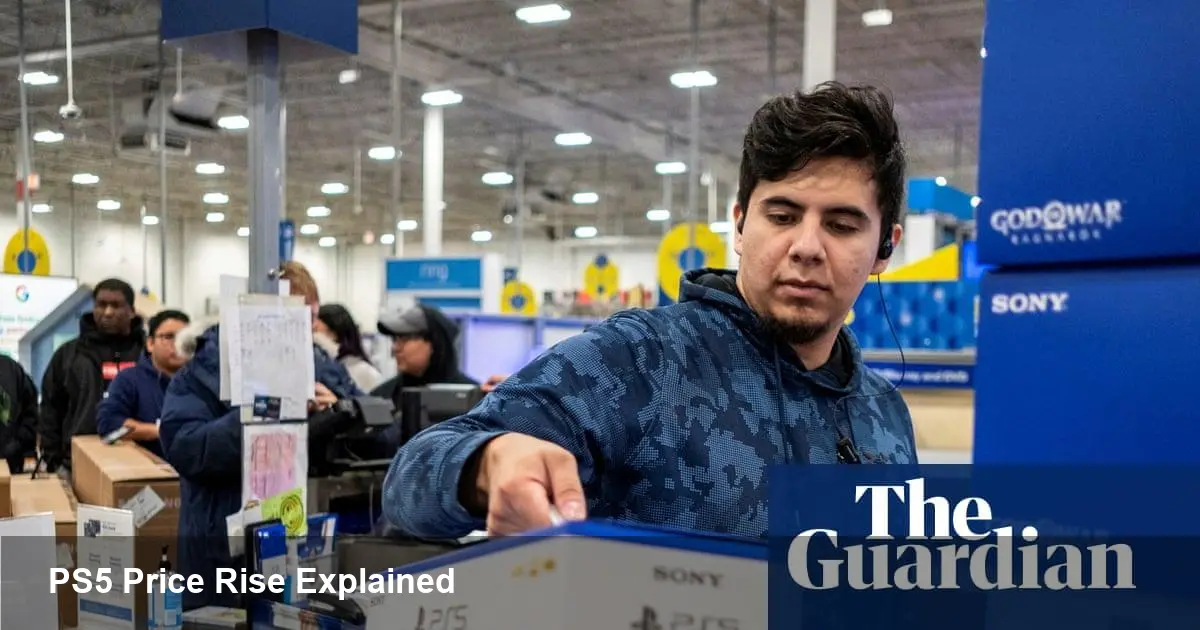
Sony announced a $100 price increase for the PlayStation 5 that takes effect on April 2. That move shifts the economics of console ownership and has ripple effects across gamers, developers, retailers and component suppliers. For anyone building products or businesses around the PlayStation ecosystem, the change is more than a headline—it alters purchase timing, monetization strategy and competitive positioning.
The short version: what's driving the hike
Two forces are being cited for the sharper hardware bill: rising memory-chip costs and geopolitical disruption. Memory — both the graphics memory and NAND used for storage — has become more expensive as demand from AI data centers and other high-performance computing workloads competes for the same fab capacity. At the same time, geopolitical tensions in the Middle East are raising shipping costs, insurance rates and supply‑chain risk premiums.
In plain terms: the parts inside a PS5 are pricier to buy, move and insure. Sony chose to pass some of those costs to customers rather than absorb them entirely in a hardware business that traditionally runs thin margins.
Why memory prices matter for consoles
Consoles are a hardware stack tied tightly to margins. Two cost lines matter most here:
- GDDR (graphics memory) — directly impacts GPU cost and performance
- NAND and DRAM — affect storage, system memory, and manufacturing yield
When AI training and hyperscale data centers gobble up advanced memory and high-bandwidth modules, fabs allocate capacity to the highest-margin buyers. Component makers such as Samsung, SK Hynix and Micron often prioritize orders from data center customers. For a consumer-focused SKU like a PS5, that means higher per-unit costs or longer lead times.
What gamers should do now
- Reassess timing: If you were on the margin about buying a PS5, a short wait could be worthwhile. Retailers often respond with bundle deals, renewed promotions, or refurbished/used stock.
- Look for bundles: Hardware bundles or games-included packages preserve value compared with buying hardware and titles separately.
- Explore subscription/cloud: For some players, PlayStation Plus tiers, cloud gaming options, or a PC build (if you have one) might be a better short-term value.
- Consider trade-ins: When price rises, the used market heats up—trade-in credit and certified refurbished units can soften the cost.
Developers and studios: recalibrate assumptions
A slower or smaller install-base expansion changes revenue math for studios planning console-first launches.
- Forecasting: Update revenue projections for new titles. A $100 jump could suppress first-year console sales growth, reducing potential player reach.
- Monetization: Accelerate live-ops thinking—season passes, DLC, and in-game commerce become more important if fewer new consoles join the market quickly.
- Platform strategy: Consider multi-platform or PC-first launches to avoid overreliance on a single console’s install base. It’s often cheaper to reach players via cross-platform digital channels than to depend on hardware-driven spikes.
Concrete scenario: an indie studio expecting 1M PS5 users with a 5% attach rate for a paid DLC package at $10 would see about $500k gross. If price sensitivity trims the install base or attach rate by 20%, that $500k could fall to $400k—enough to change hiring or marketing plans.
What this means for Sony and retailers
Hardware sales likely slow in the near term, but Sony has levers to mitigate impact:
- Services and subscriptions: PlayStation Network revenue, PS Plus tiers, and digital store margins are higher-margin than hardware and can offset a hit in console volumes.
- Bundles and promotions: Retailers and Sony can create value through timed bundles that preserve perceived value without cutting list price.
- Cost management: Sourcing alternate memory suppliers, negotiating long-term contracts, or redesigning future SKUs for cheaper components are all options.
Retailers face margin pressures too. Higher MSRP can reduce impulse buys and increase dependency on promotional cycles to move units.
Broader market implications
- Memory markets are now a cross-sector battleground. The AI boom means enterprise and cloud buyers will continue to distort available capacity. Consumer electronics firms should plan for cyclically higher component pricing.
- Console economics could shift business models. Higher hardware prices accelerate the pivot toward subscription and digital-first monetization. Expect more emphasis on recurring revenue services rather than one-off hardware sales.
- Supply chains will diversify faster. Geopolitical risk pushes OEMs to seek alternate suppliers, build buffer inventories, or invest in regional fabs—moves that reduce single-point failures but add complexity and cost.
How companies should respond
- Scenario planning: Finance teams must model different price and demand curves and stress-test product roadmaps.
- Monetization redesign: Studios should re-examine pricing tiers, season passes and cross-platform entitlements.
- Supply strategy: Hardware companies should re-evaluate supplier portfolios and inventory strategies—locking favorable contracts when practical.
A quick look ahead
This price increase is a concrete sign that the fallout from AI-driven component demand and geopolitical instability isn’t confined to data centers. Consumer electronics, gaming consoles included, are feeling the pinch. For gamers, it's a choice between paying more now or seeking alternative ways to play. For developers and businesses, it's a nudge to reduce dependence on hardware-led growth and prioritize software, services and flexible distribution.
If history is any guide, supply pressures will ease eventually, but the structural shifts—more attention to services, more resilient supply chains, and memory competition from AI workloads—are likely to persist. That makes this an important moment for companies and creators in the PlayStation ecosystem to reassess their strategies and for players to weigh their options carefully.