Valve’s 2026 Steam Hardware Push: What Developers Need

Why Valve’s 2026 hardware announcement matters
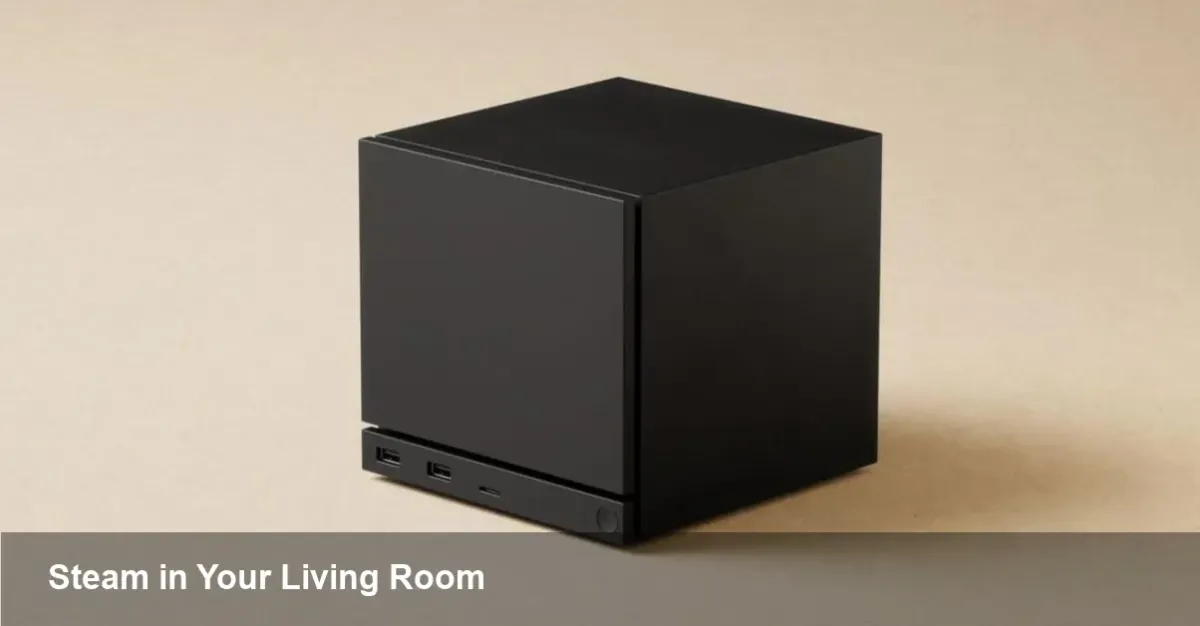
Valve has quietly restated a plan that matters to anyone building games, middleware, or services for living-room play: the company says it still intends to ship a Steam Machine platform in 2026 — including a Steam Frame and an updated Steam Controller. That confirmation followed an earlier internal post that left the timetable uncertain, and Valve clarified the schedule to media outlets.
For developers and studios this isn’t just a product launch. It’s a renewed nudge from one of PC gaming’s most influential companies toward a console-style living-room experience built on PC hardware and Steam software. The practical implications stretch from UI design and input support to marketing and platform certification.
A quick background on Valve’s hardware history
Valve has experimented with hardware for years. The Steam Machines initiative first surfaced over a decade ago as an attempt to bring PC games into the living room with partner-built mini-PC consoles. That effort never replaced the console incumbents, but it did seed ideas about PC form factors and controller-first interfaces.
More recently, Valve’s Steam Deck handheld proved there is robust demand for Valve-led hardware tightly integrated with SteamOS and Proton compatibility layers. The 2026 effort looks like a sequel: a family of hardware aimed at big-screen, couch-forward play that leverages Valve’s software stack and ecosystem.
What this means for developers (concrete scenarios)
- Input and control paradigms: If your game assumes mouse-and-keyboard only input or awkward gamepad mappings, now is the time to revisit control schemes. The new Steam Controller — designed specifically for PC games on TVs — will likely push more users toward non-mouse inputs. Implementing natural, controller-first navigation (and testing for edge cases like remapped inputs) will avoid poor living-room play experiences.
- UI scaling and discovery: Games designed for monitor resolutions may feel cramped or unreadable on a 10-foot interface. Consider adding large-font UI modes, simplified HUDs, and controller-friendly menus. Steam’s big-picture or living-room modes prioritize discoverability and quick launch; ensure store assets (trailers, screenshots) still read well on a TV.
- Compatibility and Proton testing: Valve’s software stack for console-like PCs relies heavily on compatibility layers. If you use native middleware, anti-cheat, or DRM tied to traditional PC setups, validate these systems under SteamOS-like environments. Running automated tests on Proton or similar stacks will surface regressions before players do.
- Input remapping friendliness: Valve has historically allowed deep remapping and community-shared configurations. Design your game so it behaves sensibly when buttons are remapped or emulated — avoid hard-coded key expectations and prefer input abstraction layers.
Example developer checklist for 2026 readiness
- Build a controller-first menu flow and test with multiple controller profiles.
- Add a scalable UI mode optimized for large displays (font, spacing, layout).
- Run the game under Proton/SteamOS test environments and document any platform-specific issues.
- Prepare store presentation assets optimized for TV viewing (crop-safe overlays, legible captions).
- Plan for performance budgets that prioritize steady frame pace on mid-range living-room hardware.
Business and ecosystem implications
- Renewed competition with consoles: Valve isn’t trying to dethrone PlayStation or Xbox overnight, but a console-like PC platform widens options for consumers. Developers gain a distribution path that’s arguably more open than console stores, with Valve’s curated storefront and community features.
- Hardware partner opportunities: If Valve leans on manufacturing partners for the Steam Machine and Frame, boutique PC builders and component suppliers could see demand for compact, quiet, living-room-friendly builds. For startups in hardware or industrial design, this could be a fresh market.
- Services and subscription play: A couch-friendly Steam ecosystem makes services like game streaming, family sharing, and subscription bundles more attractive. Expect Valve and partners to explore ways to blend local hardware and cloud services for instant access to large libraries.
Limitations and practical risks
- Timing and supply: 2026 is the target, but hardware launches can slip. Developers should not assume immediate mass-market uptake; rather, treat the release as a chance to prepare early and iterate as hardware arrives in waves.
- Fragmentation: Multiple living-room PC form factors could fragment testing matrices. Allocate QA resources to prioritize the most likely hardware profiles — Valve’s official reference config, mid-range GPUs, and common controller mappings.
- Anti-cheat and middleware hurdles: Some anti-cheat solutions have historically struggled with compatibility layers and non-standard environments. Engage middleware vendors early to mitigate last-minute integration problems.
How indie studios can turn this into an advantage
Indies are uniquely positioned to take advantage of a living-room-focused Steam platform because smaller teams can pivot UI and input faster than large studios. A polished big-screen experience with simple navigation and clean presentation can make a smaller title stand out in viewers’ living rooms. Consider early access on big-screen builds, community feedback rounds with controller remapping, and promotional events timed around Valve’s 2026 rollout.
Looking ahead: three implications for the next few years
- Greater blurring of PC and console design: If Valve succeeds, we’ll see more PC-first workflows optimized for couch play and more consoles embracing PC-like openness.
- Fresh demand for middleware validation tools: Cross-platform QA tools that simulate living-room controllers, remapped inputs, and Proton environments will become important for studios that want production confidence.
- New opportunities for hybrid cloud + local play: Valve’s hardware plus streaming could encourage hybrids where local hardware handles latency-sensitive input while cloud services provide heavy compute.
If you’re shipping games in 2026 or later, start treating living-room scenarios as first-class citizens. Update control systems, test under compatibility layers, and polish the big-screen presentation. Valve’s reconfirmation is a signal: the living-room PC is coming back — and it’s worth being ready when players boot it up.