Inside the Assassin's Creed 4: Black Flag Remake Tease

Why the tease matters
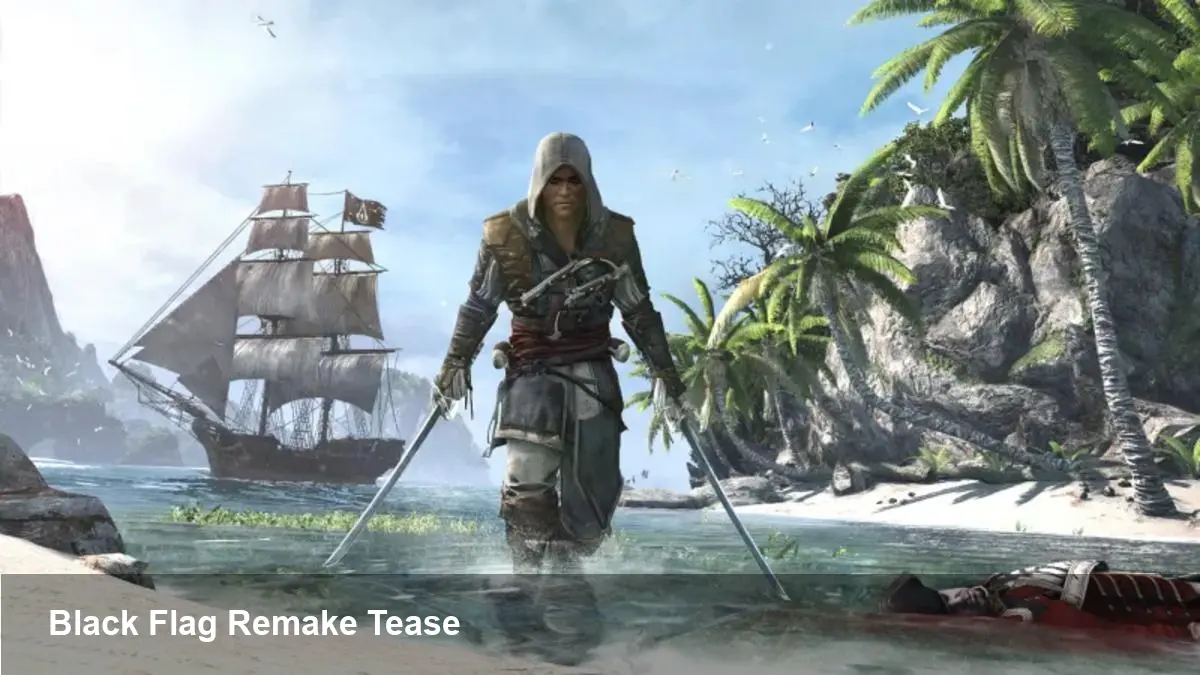
Ubisoft quietly signaled that a remake of Assassin's Creed 4: Black Flag may be on the way. For players who still remember Edward Kenway’s pirate-era sandbox, and for developers watching AAA rebuilds, this isn’t just nostalgia — it’s a test case for how studios rework beloved open worlds for modern hardware.
Black Flag originally launched in October 2013 and became one of the franchise’s defining turns: a high-seas sandbox with naval combat at its core, blended with on-foot stealth and exploration. A remake would have to preserve what made the original special while updating systems, visuals and performance expectations for consoles and PCs of 2024 and beyond.
What Ubisoft’s tease likely means (and what it doesn’t)
Teasers from large publishers can range from placeholder pages and stray references in patch notes to subtle artwork drops. A tease doesn’t guarantee an imminent release date, but it does signal an internal commitment to investment: design resources, QA cycles, marketing and often multiple studio collaborations.
If Ubisoft is moving forward with a Black Flag remake, expect the project to target current-gen platforms (PS5, Xbox Series X/S, PC) and to leverage the company’s Anvil engine improvements. That implies a remake rather than a simple remaster — rebuilds that touch gameplay systems, AI and core mechanics — rather than only upgrading textures and resolutions.
What a faithful-but-modern Black Flag should deliver
Players will judge a remake by two things: fidelity to the original’s identity and meaningful improvements that justify a new purchase. Here are concrete areas where a remake could deliver value:
- Naval combat overhaul: Modern physics, improved ship handling and better sea simulation (real-time wave interactions, more believable buoyancy) would refresh the combat loop without changing the pirate fantasy.
- Rebalanced progression and economy: Rework of upgrade trees, resources and side content to remove padding while preserving reward loops that made exploration satisfying.
- AI and crowd behavior: Modern NPC systems could make cities feel more alive and make stealth encounters richer and less predictable.
- Visuals and performance: Higher-res textures, dynamic weather, hardware-accelerated ray tracing for reflective water and lighting, and performance modes targeting 60 FPS or higher on consoles.
- Quality-of-life features: Fast travel improvements, modern HUD and accessibility options, reworked mission markers and better autosave/checkpoint systems.
A risky move would be to change the game’s pacing or tone too dramatically. The remake needs to feel like Black Flag; shaving away every rough edge could strip the game of what players loved.
Developer workflows: rebuild or remaster? The cost trade-offs
From a studio perspective, remakes sit between remasters and full sequels. You can approach the work in two main ways:
- Asset-level rebuild: Recreate models, textures and systems from scratch while using the original design as a blueprint. This is expensive but yields the cleanest results and the most flexibility to alter gameplay.
- Engine port with polish: Keep original assets where possible, port code to updated middleware and add visual effects and QoL layers. Cheaper and faster, but prone to legacy bugs and fidelity limits.
For a complex, multi-system title like Black Flag (naval physics, AI, open-world streaming), an asset-level rebuild is attractive — especially if Ubisoft plans to sell the game at full AAA price. That choice increases costs but also creates a product that can amortize development over time through DLC, live-service elements, or inclusion in subscription services.
Business strategy: why remakes make financial sense for Ubisoft
Remakes are a way to monetize existing IP with less risk than entirely new franchises. They tap into nostalgia, carry built-in brand recognition, and can be marketed to both returning players and newcomers. For Ubisoft specifically, remakes help:
- Fill gaps between full new releases, supporting a steady release cadence.
- Extend franchise value without the R&D expenses of a fresh AAA concept.
- Reuse and refine proprietary engine tech across multiple titles, improving efficiency.
There’s also a preservation argument: remakes can modernize older games that otherwise become inaccessible on modern hardware, keeping cultural touchstones relevant for a new generation.
What players should watch for next
If you’re tracking a Black Flag remake, look for the following signals that indicate a serious development pipeline:
- Official confirmation with screenshots or a gameplay trailer showing modern visuals and UI.
- Platform targeting (native PS5/Xbox Series/PC builds) and technical features like ray tracing or frame-rate modes.
- Announcements about the development lead studio — whether Ubisoft Montreal is at the helm, or a different studio is handling the rebuild.
- Messaging on monetization and post-launch support — will there be additional content or online features?
Community response will shape the project’s PR cycle. Expect scrutiny about fidelity to the original (characters, music, story beats) and calls for both preservation and improvement.
Broader implications for AAA games
A Black Flag remake — if it arrives — fits into a larger industry pattern. Big publishers are increasingly balancing live-service releases with curated remakes of established hits. That strategy affects hiring (more engineers with porting and optimization skills), pipeline tools (asset converters, updated animation rigs) and even release calendars.
Two implications to watch:
- Standardization of engines and tools across studios will make future remakes cheaper and faster, but might encourage a steady stream of reboots rather than bold new IP.
- Player expectations will shift: modern remakes must deliver not only visuals but improved systems and accessibility, raising the bar for smaller studios attempting their own revivals.
Whether Ubisoft’s tease becomes a full announcement or a placeholder, the momentum behind remaking classics like Black Flag reflects both commercial logic and a maturing approach to game preservation. For players, it offers a chance to revisit a standout era of Assassin’s Creed with modern tech. For developers and studios, it’s a reminder that the past is now a part of the pipeline — and a potentially profitable one at that.