Game Pass's Next Wave: Impact on Players, Devs, and Studios

Why a big Game Pass drop matters
Microsoft’s Xbox Game Pass has evolved from a nice-to-have subscription into one of the most influential distribution channels in modern gaming. When high-profile titles — think big narrative experiences or visually striking platformers — land on Game Pass (whether day-one or later), the effect ripples across players, developers, and publishers.
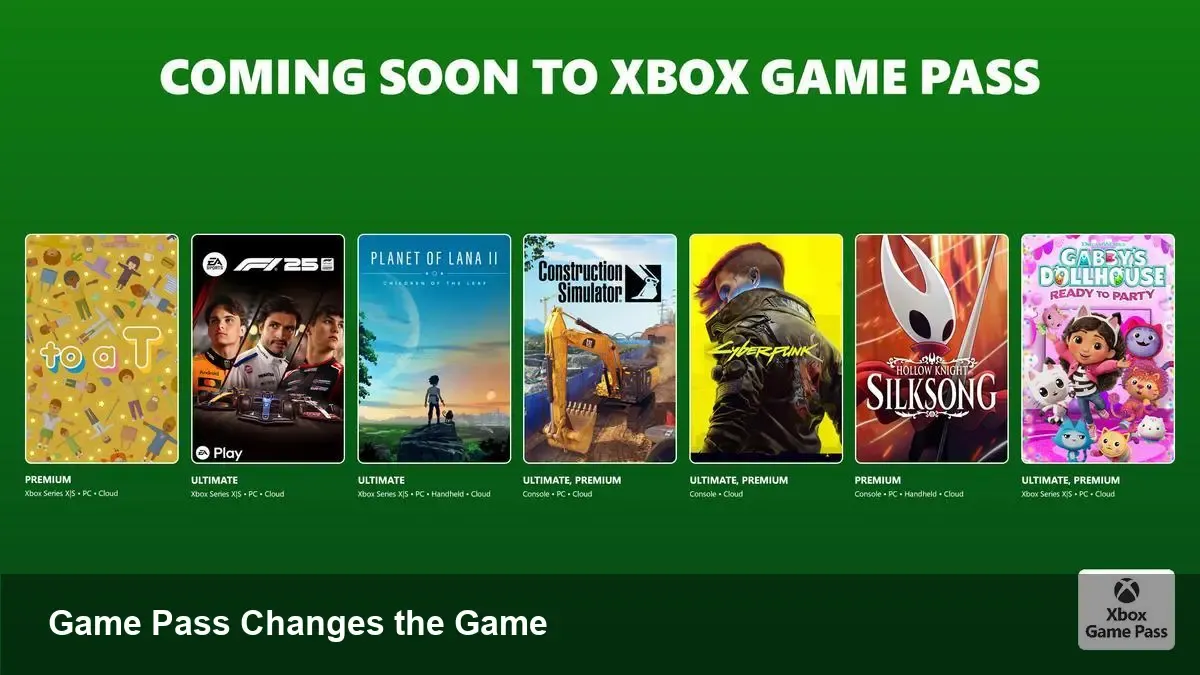
Two recent additions that illustrate that dynamic are Cyberpunk 2077 and the anticipated Planet of Lana II. They represent different kinds of games: a massive AAA world with ongoing live services and an artful single-player experience. Both arriving on a subscription service highlights how Game Pass is shaping player expectations and studio strategies.
For players: more choice, lower risk, new behaviors
- Instant access and discovery: Subscriptions remove the friction of buying before trying. Players are more likely to sample genres or studios they normally wouldn’t risk money on. That’s exactly the lever Game Pass pulls when it adds big or niche titles.
- Cost calculus changes: If a player subscribes for $9.99–$16.99/month (depending on tier and region), the marginal cost of trying a new AAA game becomes negligible. That shifts purchase decisions away from ownership towards ongoing engagement.
- Play patterns shift: Subscriptions encourage breadth over depth for many users. Instead of committing 100+ hours to one title immediately, players often bounce between new drops, which affects completion rates and community lifecycles.
Practical example: someone curious about Cyberpunk 2077’s world or a sequel like Planet of Lana II can explore either with minimal commitment. That increases the audience for optional expansions, cosmetics, or run-time monetization later on.
For developers and studios: trade-offs and new priorities
Landing on Game Pass can dramatically grow your player base, but it comes with new constraints and strategic choices.
- Revenue models differ: Publishers typically negotiate a fee with Microsoft that may be based on internal projections, player engagement, and historical sales data. That fee can be attractive up front, but it’s different from per-unit sales and requires thinking in terms of reach and long-term monetization.
- Engagement becomes the KPI: Platforms care about playtime, retention, and churn impact. Studios should instrument their games to provide robust telemetry so they can demonstrate the value they bring to the subscription ecosystem.
- DLCs and microtransactions: If the core game is included, studios can still monetize through expansions, season passes, or in-game purchases. Designing DLC launch timing and content gating becomes more tactical — you want to convert the large subscriber audience without alienating them.
- Marketing and live ops change: Expect a surge in players at the moment of catalog addition. Plan for extra server capacity, onboarding tutorials optimized for trial audiences, and live events timed to the catalog inclusion to capitalize on higher discovery.
Scenario: An indie studio with a strong single-player title gets a mid-sized licensing fee and immediate exposure on Game Pass. The income stabilizes payroll while the exposure drives future paid DLC sales and merch demand. Conversely, a big AAA studio may trade some direct sales for broader audience data and stronger long-tail revenue from live services.
Negotiation and product tips for studios
- Measure and present engagement: Show historical playtime, retention curves, and community activity. Platforms buy engagement patterns as much as reputation.
- Be clear on content windows: Negotiate how soon DLCs or special editions can be sold to non-subscribers, and whether expansions must also be included in the subscription.
- Protect your live-ops roadmap: Ensure contracts allow studios to execute time-limited events or microtransaction strategies that drive post-inclusion revenue.
- Optimize for first-run experience: Since many subscribers will try a game briefly, prioritize early game pacing, clear loops, and quick wins that hook players in the first few hours.
Business-level implications
- Discovery becomes the primary value proposition for many developers. Game Pass functions like an enormous marketing channel — but instead of impressions it delivers actual play sessions.
- Subscription economics can smooth revenue but also centralize buyer power. Large platform owners gain negotiation leverage, which will shape future licensing deals and creative control discussions.
- The rise of cloud streaming ties subscription catalogs to new device classes. Game Pass’s cloud service converts phones, tablets, and low-end PCs into viable gaming platforms, increasing total addressable market.
Three forward-looking insights
- Day-one subscription releases will stay contentious but grow in number. Expect more cross-industry experiments where AAA launches on subscription alongside traditional retail — with nuanced, tiered deals.
- Personalized catalogs will become a competitive lever. As telemetry improves, services will surface different titles to different users, turning discovery into an AI-driven product problem rather than a simple catalog update.
- Monetization creativity will increase. With the core game included, studios will lean into sequenced premium DLC, cosmetic economies, and season models that respect subscriber goodwill while unlocking additional revenue.
Practical advice for founders and product leads
- If you’re pitching a Game Pass deal, build a compact “engagement story”: retention timelines, monetization hooks, and server/load expectations.
- Optimize onboarding for trial users: short tutorials, visible progression, and early meaningful choices make conversion to longer-term fans more likely.
- Treat Game Pass as both revenue and marketing: use the risk-free exposure to gather feedback, iterate live features, and convert high-intent players to paid offerings.
Game Pass is reshaping how games are discovered and financed. Whether you’re a player enticed to try Cyberpunk 2077 or Planet of Lana II without paying up front, or a studio weighing licensing terms, the subscription era rewards those who optimize for engagement, transparency, and long-term relationship building with players.