Foldable iPhone in December — a Split iPhone 18 Launch

Why this moment matters
Apple's hardware calendar has long been predictable: new iPhones in September, updates to other lines staggered across the year. Recent supply‑chain chatter, however, suggests that rhythm might change. Barclays analyst Tim Long reported signal‑level intel indicating two notable shifts: Apple could announce the iPhone 18 base model in March rather than September, and a foldable iPhone could realistically ship in December. The story now is less about a single new phone and more about a phased product strategy and how Apple might enter the foldable device category.
The supply‑chain signals (what was reported)
According to analyst notes circulating in the market, multiple manufacturing partners and suppliers have mentioned a split launch strategy. The base iPhone 18 may be pushed to a spring announcement, while Apple could introduce a larger “Plus” variant later. Separately, a foldable iPhone — long rumored and prototyped internally — appears to be on track to reach consumer shipping in December. Barclays' Tim Long is the public face of these claims in investor communications, and they line up with other supply‑chain whispers about parts readiness and testing timelines.
Why Apple might split the iPhone 18 launch
There are tactical reasons for separating model announcements:
- Component constraints: High‑volume components such as new camera modules, custom RF parts, or displays can be in limited supply. Phasing helps Apple avoid stretching suppliers too thin.
- Marketing focus: A March event gives Apple room to spotlight a new baseline model with a clean narrative, then reserve a separate announcement window for larger models or new form factors.
- Retail seasonality: Shipping a foldable device in December targets the holiday quarter when consumers spend most, and carrier promotions are at their peak.
This approach reduces launch risk and allows Apple to manage inventory more tightly across different SKUs.
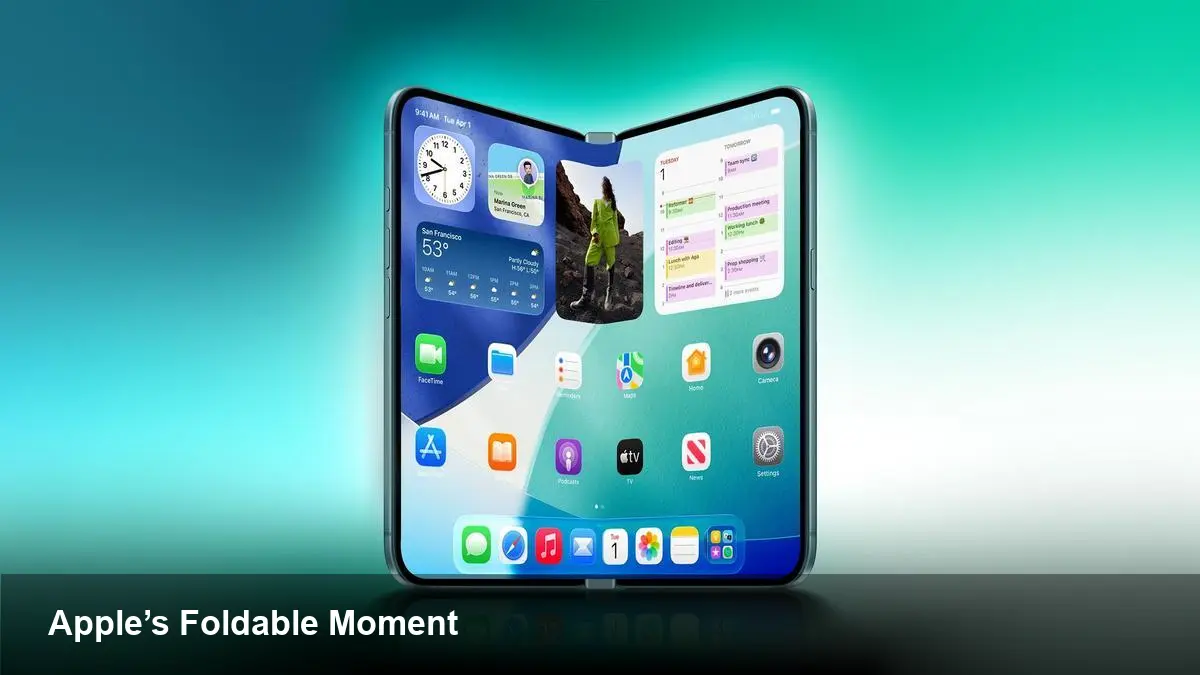
What a foldable iPhone shipping in December might look like
Technical specifics remain speculative, but supply‑chain timelines suggest Apple is past early prototypes and into validation. Likely attributes:
- Display: OLED foldable panels from suppliers like Samsung Display or BOE, tuned to Apple’s color and brightness standards.
- Hinge and chassis: An Apple‑engineered hinge that prioritizes thinness and rigidity, probably iterating on current foldable designs to minimize visible crease.
- Software: iOS adapted for larger, flexible displays — improved multitasking, adaptive layouts, and continuity between folded/unfolded states.
- Camera and battery: High‑end camera modules and batteries sized to balance weight and runtime; expect engineering tradeoffs compared with the standard iPhone line.
Manufacturing targets aiming for a December shipment window suggest Apple is confident it can meet quality and yield thresholds in time for holiday demand.
Practical scenarios: who benefits and why
- Creatives and prosumers: A larger, foldable canvas helps photo and video editors, designers sketching with the Apple Pencil (if supported), and multitasking across apps.
- Field workers and sales teams: One device replacing a tablet and smartphone simplifies device management and reduces the hardware footprint for remote teams.
- Gamers and media consumers: Foldables offer immersive screens for gaming and streaming while folding to pocketable sizes for daily use.
For businesses, a foldable iPhone can consolidate device fleets and cut down on accessories; for consumers, it opens new interactions but at potentially higher price points.
Developer impact and considerations
A foldable iPhone is more than a new chassis — it changes the UI/UX rules:
- Responsive design becomes mandatory: Apps will need to adapt layouts between folded and unfolded states and handle continuity when the display changes size and aspect ratio.
- Multitasking APIs: Developers should target split‑view, floating windows, and drag‑and‑drop flows to take advantage of extra screen real estate.
- Testing matrix expands: QA will need to cover folded/unfolded transitions, hinge angles, and state persistence across orientation changes.
Early adopters among app developers who optimize for adaptive layouts can create standout experiences and capture user attention on launch.
Ecosystem winners and losers
- Accessories: Cases, screen protectors, and hinge‑compatible accessories could be lucrative; makers who move quickly will set standards.
- Carriers and retailers: A high‑ticket foldable in December is perfect for holiday promotions and two‑year financing plans.
- Android foldable makers: Samsung and others will face fresh competition from Apple’s ecosystem pull; price and app polish become differentiators.
Risks and limitations to watch
- Durability: Hinges and foldable displays still represent reliability challenges; Apple will need to prove longevity to justify premium pricing.
- Battery life and weight: Fitting two usable panels without making the device bulky is an engineering balancing act.
- App readiness: If major apps don’t adapt by launch, the first generation will feel like a hardware novelty rather than a productivity tool.
- Supply hiccups: Pushing multiple major SKUs in a short window increases pressure on suppliers, which is likely why Apple might be staggering announcements.
Strategic implications for Apple and the market
- If Apple ships a foldable iPhone in December, it signals serious commitment to a new category rather than experimentation — and invites rapid ecosystem alignment.
- A split iPhone 18 launch would mark a shift in Apple’s cadence, giving the company more flexibility to manage product ecosystems and manufacturing constraints.
- Competitors will need to sharpen software integration and price strategy — Apple’s entry changes the conversation from hardware specs to app experiences and services.
How developers and businesses should prepare
- Audit your app for responsive layout best practices and test on variable aspect ratios now.
- If you build hardware accessories, prototype hinge‑friendly designs and secure supply lines early.
- For enterprises planning deployments: evaluate upgrade cycles and cost models — a foldable device could consolidate form factors but may impact TCO.
Apple’s potential December foldable shipment and a staggered iPhone 18 rollout would reshape the end of the year for device makers, carriers, developers, and consumers. Whether this timeline holds will depend on manufacturing yields, software readiness, and Apple’s appetite for launching a high‑risk, high‑reward product into its most competitive quarter. If you’re a developer or product manager, treat the next months as a window to get adaptive interfaces ready — the hardware may arrive faster than you think.