Crypto Carnage: Bitcoin Plummets 35%

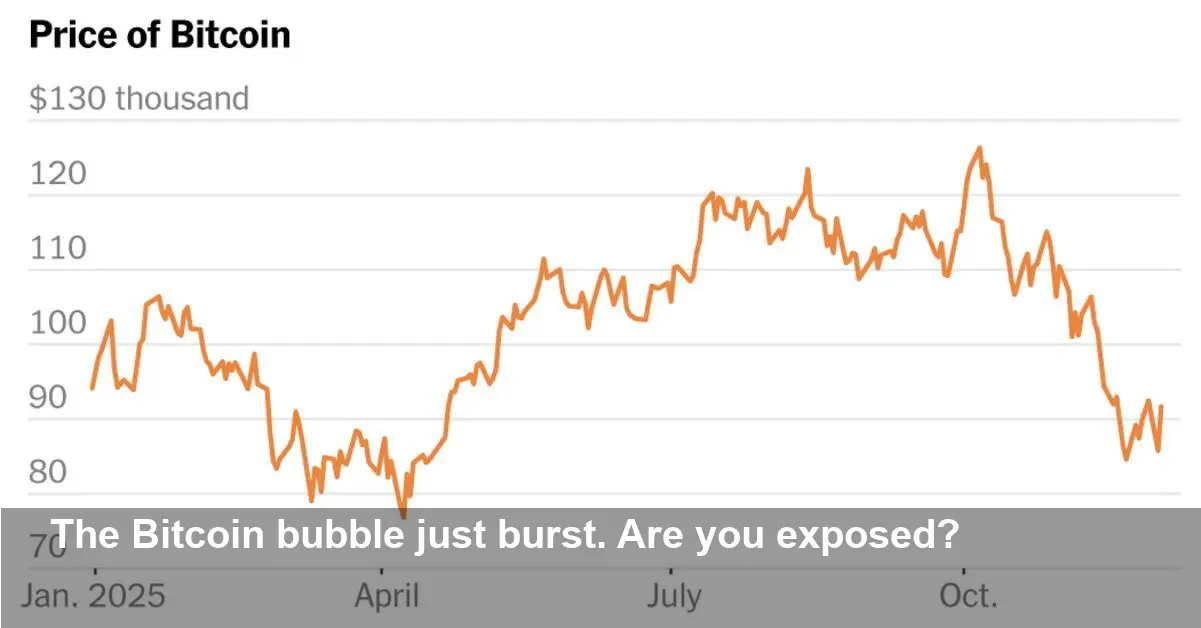
- Massive Price Drop: Bitcoin has plummeted nearly 35% from a high of $126,000 to a low of $82,000, wiping out most of its gains for the year. Ether has also fallen by 40%.
- Economic Triggers: The downturn is linked to broader economic instability, including President Trump's surprise tariff announcement, and speculation about interest rates.
- Leverage Wreaks Havoc: High-risk leveraged trading amplified losses, causing over 1.6 million traders to face liquidations totaling at least $19 billion in a single day.
- Corporate Holdings at Risk: Companies like Strategy, which hold billions in Bitcoin, have seen their stock prices tumble, raising fears of a potential sell-off that could drive crypto prices even lower.
The Crypto Boom Goes Bust
A year after Bitcoin triumphantly crossed the $100,000 mark, the celebratory atmosphere in the cryptocurrency world has vanished. Fueled by a pro-crypto administration, industry experts boldly predicted prices would soar as high as $250,000 by the end of 2025. Instead, the market is facing a brutal reality check.
Over the past two months, Bitcoin has experienced a staggering 35% crash, falling from a peak of $126,000 to a low of $82,000 in late November. Other major digital assets have followed suit, with Ether, the second-largest cryptocurrency, plunging nearly 40% since August. The dramatic downturn has erased almost all the year's gains, serving as a harsh reminder of the market's inherent volatility.
Economic Fears and Risky Bets Collide
Once seen as a hedge against traditional financial markets, the crypto crash demonstrates deep ties to the global economy. The turbulence was ignited by macroeconomic fears, particularly after President Trump announced new tariffs on China, which sent shockwaves through the market.
The situation was made worse by high-risk practices common within the crypto world. Many traders use borrowed money to place larger bets—a practice known as leveraged trading. While this can maximize profits in a rising market, it intensifies losses during a downturn. On the day of the tariff announcement, this practice led to a cascade of forced liquidations, affecting over 1.6 million traders and costing them at least $19 billion, according to data from CoinGlass.
Corporate Dominoes Begin to Wobble
The pain isn’t limited to individual traders. Dozens of publicly traded companies that invested heavily in crypto are now struggling. The most prominent among them is the software firm Strategy, which has amassed over $58 billion in Bitcoin. With its stock falling more than 30% in the last month, concerns are mounting that the company could be forced to sell some of its crypto holdings, an event that could trigger a further market collapse.
Despite the market turmoil, some die-hard proponents remain unshaken. Michael Saylor, the executive chairman of Strategy, announced on Monday that his firm had purchased another $12 million worth of Bitcoin, doubling down on his high-stakes bet.
While the current downturn has not yet led to the catastrophic bankruptcies seen in 2022, it serves as a powerful warning. "The recent sell-off is a good reminder of the risks that come with this space,” said Adam Phillips of EP Wealth Advisors. “Crypto remains a volatile investment and certainly isn’t for the faint of heart.”