ModRetro: Luckey’s plan to reboot 1990s game consoles

Why Palmer Luckey is chasing 1990s consoles
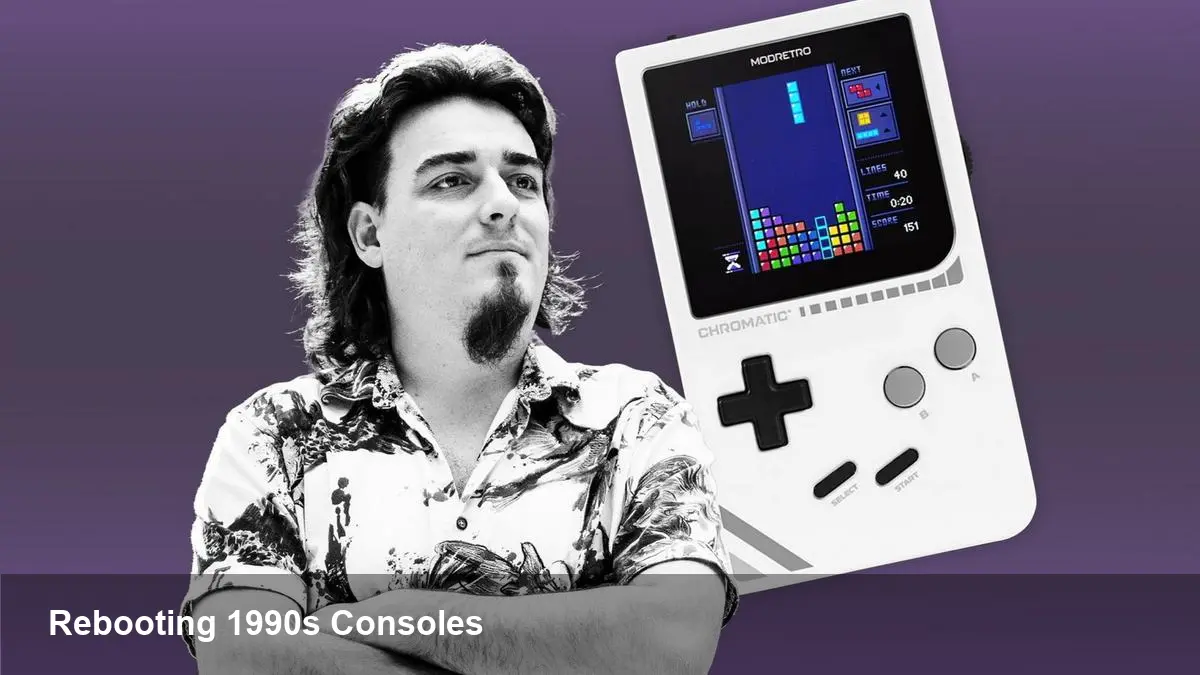
Palmer Luckey — the entrepreneur best known for founding Oculus and later building defence firm Anduril — is reportedly pitching a sizable funding round for ModRetro, a startup aiming to reimagine 1990s-era game hardware. The headline number circulating in the press is roughly $1 billion: a large pool of capital that signals ambitions beyond simple nostalgia re-releases.
The rationale is straightforward: retro gaming remains a huge cultural and commercial force. The emotional pull of cartridge clanks, pocketable handhelds, and pixel-perfect classics has created a market for remakes, boutique hardware, and enthusiast-driven aftermarket ecosystems. ModRetro’s pitch, as it’s been described publicly, tries to bridge that nostalgia with modern manufacturing, modular design, and an ecosystem play that benefits creators and modders alike.
What ModRetro could actually build — practical scenarios
Based on the stated focus, imagine three concrete product directions ModRetro might pursue:
- Modular cartridge consoles: A base console that accepts interoperable cartridges and hardware modules — improved audio chips, FPGA cores for hardware-accurate emulation, or modern storage with cloud sync. That keeps the aesthetic and physicality of 1990s machines while allowing contemporary upgrades.
- Pocket systems with swap-in internals: Taking cues from handheld classics like the Game Boy, a line of portable devices with user-replaceable boards. Indie developers could ship games on physical media with optional patches or online leaderboards.
- A dev-first ecosystem: Sell developer kits, open firmware hooks, and a curated storefront for ports and new titles built on retro APIs. This encourages homebrew creators and small studios to produce native experiences rather than rely solely on emulation.
Those scenarios mix the collectible appeal of originals with the convenience and connectivity modern players expect: over-the-air updates, tournament modes, streaming and compatibility layers for modern displays.
Why this matters to developers and small studios
A company that builds modular, open-friendly hardware changes the way small teams can reach players:
- Lower friction to sell physical and digital hybrids: Indie studios could release limited-run cartridges that unlock downloadable extras, creating new revenue models beyond digital storefronts.
- Porting and tooling opportunities: If ModRetro exposes tooling and SDKs, developers could more easily port classic-style games or produce new titles that feel authentic to 1990s hardware without being constrained by old development tools.
- Community-driven QA and mod markets: Open hardware invites modders and peripheral makers to create aftermarket content — an ecosystem that benefits both the platform and indie creators.
Concrete example: a two-person studio builds a modern JRPG with fixed-resolution pixel art and ships it on a limited physical run for a ModRetro device. The cartridge contains the base game and a downloadable patch unlocks extended content once connected to the internet. The developer makes revenue from both cartridge sales and digital expansions on the platform storefront.
Business implications and what investors see
A $1 billion ask suggests more than a single boutique device. Investors would evaluate several revenue channels:
- Hardware sales and premium bundles (collector editions, limited runs)
- Ongoing services (cloud saves, leaderboards, firmware subscriptions)
- Licensing and collaboration deals with IP holders
- Marketplace commissions for digital transactions
Manufacturing scale matters. To avoid the pitfalls of boutique supply chains (long lead times, high per-unit cost), ModRetro would likely need contract manufacturing partnerships, inventory forecasting, and distribution plans that balance scarcity (collector appeal) with accessibility (mass-market sales).
Legal and brand challenges
Rebooting classic console formats raises thorny legal issues. Emulating old systems is common, but distributing ROMs, using trademarked hardware designs, or selling cartridges compatible with proprietary formats can bring IP disputes. A credible ModRetro strategy will need to secure licensing where necessary and provide clean-room solutions (FPGA reimplementations rather than copied silicon) where licensing isn’t possible.
There’s also a reputational angle: Luckey’s defense-industry ties may make some segments of the gaming community wary. For others, his track record in hardware and scale could be exactly the credential investors and partners want.
Risks and operational hurdles
- Demand forecasting: Nostalgia can be fickle. Overproducing collector editions risks excess inventory; underproducing angers fans.
- Cost structure: High-quality modular components and FPGA cores raise BOM (bill of materials) costs. Pricing must balance margin and consumer willingness to pay.
- Ecosystem stickiness: The platform needs compelling exclusive content or developer incentives to build long-term engagement beyond one-off collectors.
Three implications for the near future
- Hybrid physical-digital product models will expand. Expect more releases that tie collectible hardware to ongoing digital services or DLC subscriptions.
- FPGA and modular hardware will gain attention. Hardware-accurate implementations using FPGAs are attractive because they avoid legal pitfalls of software emulation and give better fidelity for purists.
- New business for modders and small manufacturers. If ModRetro commits to an open hardware approach, a secondary market of accessories, boutique cartridges, and service providers (repairs, refurbishing, custom shells) could flourish.
Who benefits and who should be cautious
Gamers who want authentic-feeling hardware with modern conveniences stand to gain. Indie developers and boutique studios could find new revenue streams. Retailers and manufacturing partners may benefit from scaled runs. However, collectors who prize original hardware authenticity might be skeptical of modern reinterpretations. Community trust will depend on transparency around licensing, manufacturing practices, and the company’s engagement with retro communities.
If ModRetro raises the capital it's pursuing, the project could reshape a segment of the gaming market: not by replacing mainstream consoles, but by professionalizing and scaling what today is largely a fragmented retrogaming scene. Whether that creates a sustainable business or becomes another flash of nostalgia-driven hype depends on execution — licensing, manufacturing discipline, developer support, and how well the company balances reverence for the past with the realities of modern product economics.
In short: there’s potential for practical innovation in how retro consoles are designed, sold, and monetized — but delivering on that promise requires more than nostalgia and a headline funding target.