Apple at 50: When Innovation Demands Sacrifice

A half-century of direction-setting
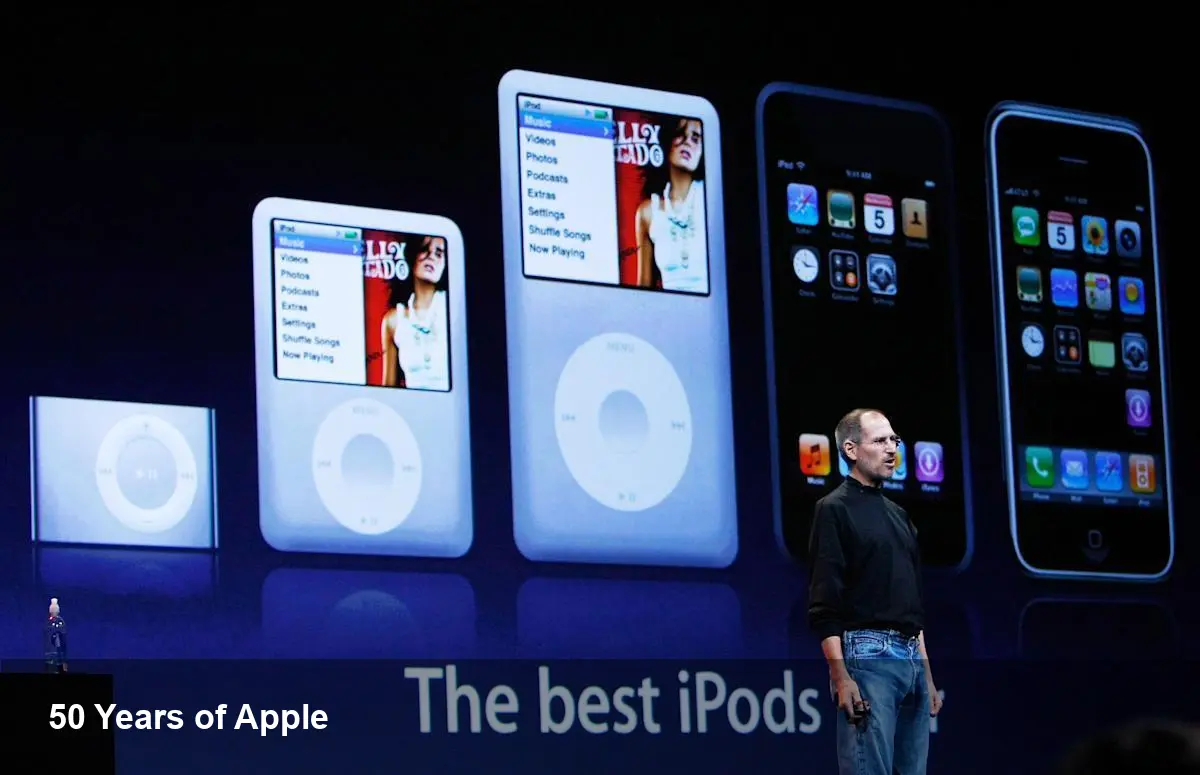
Apple turned 50 in 2026. From a garage in 1976 to one of the world’s most valuable companies, its history is a study in bold bets: personal computing, graphical interfaces, smartphones, and a tight hardware–software loop that others try to emulate. Those bets produced industry standards (the GUI, the iPhone form factor, app marketplaces) and a long list of products that were discontinued, rethought, or cannibalized along the way.
This piece looks at practical lessons for developers, startups, and enterprises: how Apple’s rhythm of invention and product retirement affects workflows, product strategy, and business models today.
Why Apple’s approach matters to builders
Apple’s defining trait is vertical integration: it designs the silicon, OS, and often the services and stores that distribute software. That control delivers predictable performance and a tight user experience—witness the jump after the Apple Silicon transition beginning with the M1 chips in 2020. But the same control also means Apple chooses the rules and changes them on its timetable.
Real-world consequence: when Apple kills a product or API, it’s fast and final. Teams that depended on iTunes, the 30-pin connector, or specific APIs had to pivot quickly. For startups and enterprises, that volatility is a factor to weigh against the benefits of building on Apple’s platform.
Concrete scenarios and how to think about them
Scenario 1 — A consumer startup choosing iOS-first
- Why: Faster monetization (App Store billing, concentrated spenders), fewer device form factors than Android, and a high-quality install base. Apple’s App Store launched in 2008 and created a reliable distribution model.
- Trade-offs: App Store fees and review policies, dependence on Apple’s UI paradigms, and the possibility of rules changing (e.g., privacy controls, in-app purchase requirements). Plan for multihoming early—design the product to run on web/Android if you can.
Scenario 2 — An enterprise moving its fleet to Apple Silicon Macs
- Why: Better battery life and performance-per-watt from M1/M2 class chips (introduced 2020–2022) can reduce fleet complexity and user complaints.
- Trade-offs: Legacy x86 apps may need Rosetta 2 or recompilation. Endpoint management, driver support, and custom native tools must be validated for ARM.
Scenario 3 — Indie developer maintaining a macOS/iPad app
- Why: Apple’s modern frameworks (Swift, SwiftUI, Catalyst) speed up development across platforms.
- Trade-offs: Frameworks change fast; public betas and OS changes can break UI behaviors. Build a robust CI pipeline that runs current and beta macOS/iOS builds to catch regressions early.
Practical advice for teams building on Apple’s platform
- Design for graceful failure: use feature flags and abstractions so an API sunset or review-restriction doesn’t force a rewrite.
- Prioritize user data portability: if Apple changes its sync or cloud strategy, your customers should still control their data.
- Invest in device testing: Apple’s hardware diversity is narrower than Android’s, but chip and OS transitions (Intel → Apple Silicon, periodic OS changes) require automated regression testing on the latest hardware.
- Stay engaged with developer programs: WWDC, release notes, and developer betas are where you get early warning about breaking changes.
What Apple’s pattern means for product and business strategy
Pros:
- Cohesive experience: tightly integrated hardware/software means fewer edge cases and a premium feel that customers will pay for.
- Platform monetization: the App Store and services (music, cloud, fitness, payments) provide multiple revenue channels for creators and companies.
- Stable user base: iOS users historically spend more on apps; this can accelerate revenue for consumer apps.
Cons:
- Platform risk: Apple’s gatekeeping can suddenly reshape your revenue model or distribution channel.
- Reduced control: hardware and OS updates are not under your control, and Right to Repair debates and regulatory pressure may change device economics.
- Discoverability noise: while an App Store exists, visibility is competitive and often requires marketing spend.
Two technical trade-offs every engineering leader should track
- API stability vs platform progress: Apple favors moving the platform forward even if that causes churn. Track deprecations and use abstraction layers to decouple core logic from platform APIs.
- Vertical optimization vs portability: deep integrations (e.g., using Apple-only frameworks) yield superior user experiences, but they increase cost to port later.
Three implications for the next five years
- AI and on-device intelligence will accelerate: Apple’s tight hardware/OS control positions it well to run powerful models locally, improving privacy and latency. Expect frameworks that make on-device ML easier for developers, but also new resource constraints to manage.
- Regulatory pressure will shape platform economics: global antitrust and Right to Repair conversations may force Apple to open aspects of the platform (e.g., sideloading in some regions), changing distribution and monetization dynamics.
- Services will continue to grow: as hardware matures, Apple’s business pivots toward subscriptions and services. For startups, this expands partnership and integration opportunities beyond pure-app revenue.
Practical checklist before you build on Apple-first
- Audit dependencies on Apple-specific APIs and UX patterns.
- Implement telemetry that surfaces OS and hardware-related errors quickly.
- Budget for App Store rules and potential fee scenarios in your pricing model.
- Keep a fallback plan (web app or Android build) to avoid single-platform lock-in.
Apple’s 50-year story is not just about gadgets; it’s a playbook in product discipline, vertical integration, and occasionally ruthless pruning. For builders, that mix of predictability and unilateral change is both an opportunity and a governance risk. The practical path forward is to leverage Apple’s strengths—performance, experience, and customer willingness to pay—while designing systems and businesses that survive the next product sunset.