Safety Panel: NASA Should Have Declared Starliner Mishap

Key Takeaways:
- A NASA safety advisory panel says agency leaders should have declared an in‑flight mishap or high‑visibility close call after Boeing’s CST‑100 Starliner experienced thruster failures and helium leaks in June 2024.
- Astronauts Butch Wilmore and Suni Williams remained on the ISS for nine months; they returned to Earth on a SpaceX Dragon vehicle.
- Panel members warned that failing to declare a mishap blurred decision authority and delayed an independent investigation.
- The Aerospace Safety Advisory Panel recommended NASA clarify procedures so any event impacting crew or spacecraft safety triggers formal mishap status.
What happened on the Starliner test flight
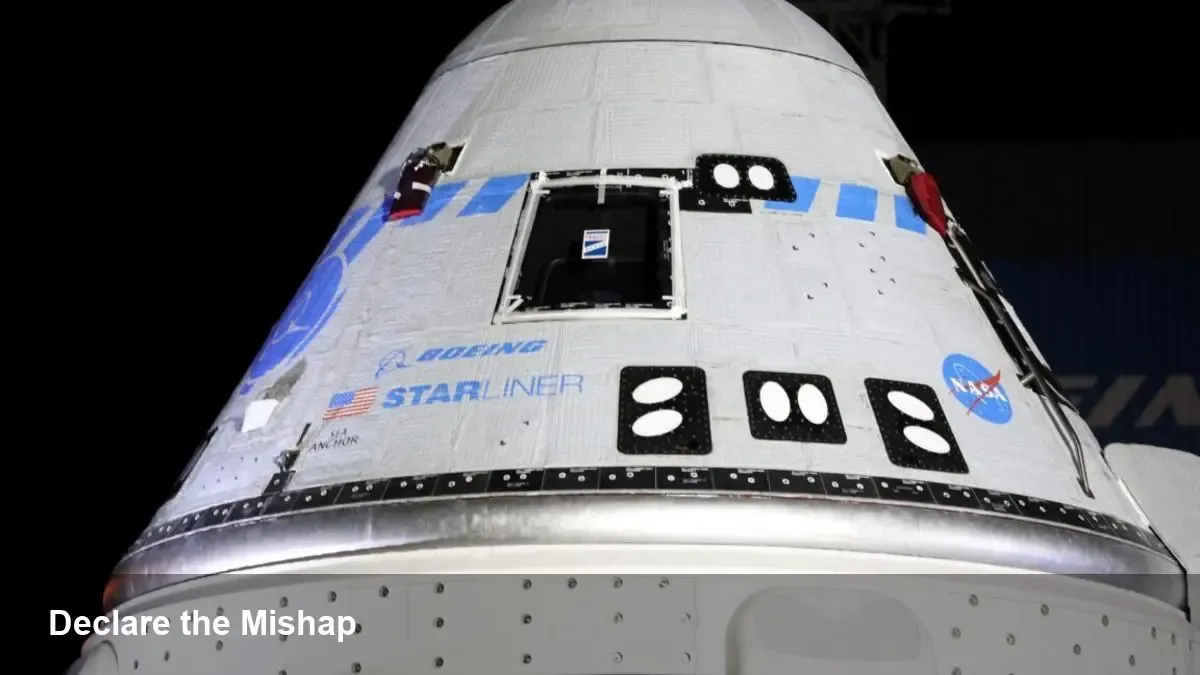
In June 2024 Boeing’s CST‑100 Starliner completed a crewed test flight carrying NASA astronauts Butch Wilmore and Suni Williams to the International Space Station. The capsule suffered multiple propulsion issues during its 27‑hour climb to orbit, including thrusters that overheated and persistent helium leaks.
Flight controllers and engineers eventually recovered enough thruster function for a safe docking, but NASA officials judged it too risky to return the crew on Starliner when the mission ended. Wilmore and Williams stayed on the ISS for about nine months and later returned aboard a SpaceX Dragon in March.
Thruster failures and operational risk
Charlie Precourt, a former shuttle commander and Aerospace Safety Advisory Panel (ASAP) member, said there was real concern that a loss of control could have led to “loss of vehicle and crew.” He praised the decision to use the ISS as a safe haven while teams analyzed recovery options.
Why the panel criticized NASA
ASAP concluded the agency should have declared the incident a mishap or a high‑visibility close call sooner. The panel says the absence of a formal designation created confusion about who owned the risk and who had final authority over crew return decisions.
Mishap designation matters
NASA procedural rules tie formal investigations and recordkeeping to mishap declarations. Precourt told the panel that without a declared mishap, the inquiry lacked official status in NASA records and an independent investigative team was not promptly formed.
Leadership, messaging and workforce stress
Panel members noted mixed messaging from Boeing and NASA Commercial Crew managers, who often signaled that returning the crew on Starliner was the expected plan. Other NASA organizations disagreed, and that ambiguity put stress on the workforce and complicated technical assessments.
What the panel is asking NASA to do
The ASAP recommended that NASA review and tighten its criteria so language is “unambiguous” about declaring in‑flight mishaps or high‑visibility close calls for events that affect crew or spacecraft safety. Retired Air Force Lt. Gen. Susan Helms emphasized the need for independent investigations as a best practice.
Mark Sirangelo, another panel member, said earlier declarations speed formation of investigative teams and deliver faster, more useful results. The panel’s findings come as Boeing prepares future Starliner flights; NASA recently confirmed the next mission will be cargo‑only as the program continues testing.
The panel’s critique underscores a central lesson for commercial crew operations: clear, early safety declarations preserve independent oversight and help protect crews, hardware and public trust in growing public‑private spaceflight partnerships.