Veteran's Warning: The Bitcoin ATM Scam Stealing Savings

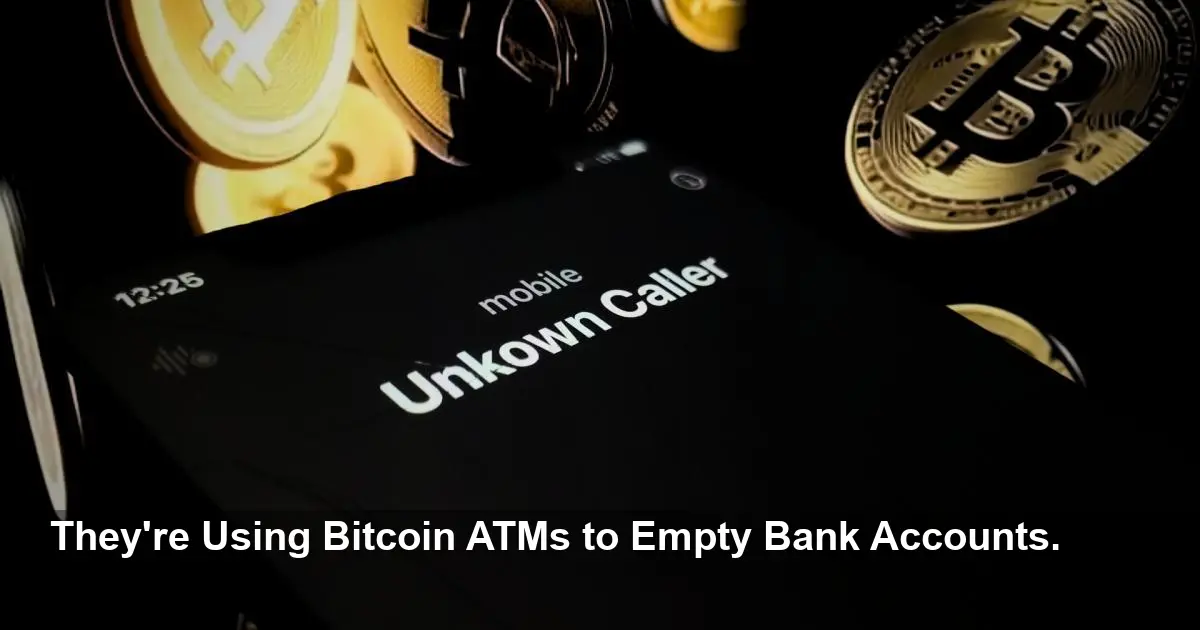
- An Aransas Pass veteran, Mike Williams, lost thousands of dollars in a sophisticated Bitcoin ATM scam that started with a fake computer virus warning.
- Scammers created a false sense of urgency, tricking him into believing his bank accounts were compromised and directing him to deposit cash into a specific Bitcoin ATM.
- Williams is now publicly sharing his story to warn others, particularly seniors and veterans, about these predatory schemes.
- According to AARP, scams and fraud losses hit a record $12.5 billion in 2024, with older adults reporting the largest financial damages.
A Sophisticated Scam Unfolds
A simple computer pop-up turned into a financial nightmare for Mike Williams, a veteran from Aransas Pass. After a warning appeared on his screen claiming his computer had been hacked, Williams called the number provided, believing it was a legitimate technical support line. This single phone call was the first step in a carefully orchestrated scam that would cost him thousands.
The person on the other end of the line convinced Williams that his financial accounts were in immediate danger. “He told me, ‘Your financial sites will be in danger,’” Williams recalled. “So you talk about financial situations, that rings a bell.”
From Cash to Crypto: The Trap is Set
Exploiting his fear, the scammer instructed Williams to withdraw large sums of cash from his bank. He was then directed to deposit the money into what he thought was a standard ATM. In reality, it was a Bitcoin machine, and the funds were being sent directly to an account controlled by the fraudster. Over two separate visits to the machine, Williams deposited his savings, even after a store employee tried to warn him of potential fraud.
It wasn’t until the next morning that Williams realized something was terribly wrong. When he tried to confront the scammer by phone, the call was abruptly ended. He immediately reported the incident to the Aransas Pass police and has since connected with AARP for assistance.
A Widespread and Costly Problem
Williams' experience is not an isolated incident. He recognized similarities between his case and a recent one in Florida where an 80-year-old veteran was targeted in the same way. In that case, police intervened just as the man was about to deposit tens of thousands of dollars into a Bitcoin ATM.
These scams are part of a disturbing trend. According to AARP, Americans lost a staggering $12.5 billion to fraud in 2024, the highest amount ever recorded. Older adults are disproportionately affected, with investment and cryptocurrency-related scams proving to be the most financially devastating.
How to Protect Yourself and Report Fraud
In hopes of preventing others from falling victim, Williams is sharing his story as a cautionary tale. “You can’t be too careful,” he warned. “Don’t believe everything that you read on that computer or call numbers. Be very cautious.”
If you or someone you know encounters a potential scam, AARP recommends reporting it immediately to the following agencies:
- Federal Trade Commission: reportfraud.ftc.gov
- FBI Internet Crime Complaint Center: IC3.gov
- AARP Fraud Watch Network Helpline: 877-908-3360
For more news stories, you can visit the KRIS 6 News YouTube page.