Project Toscana: What Pixel's New Face Unlock Means

Why Google is revisiting face unlock
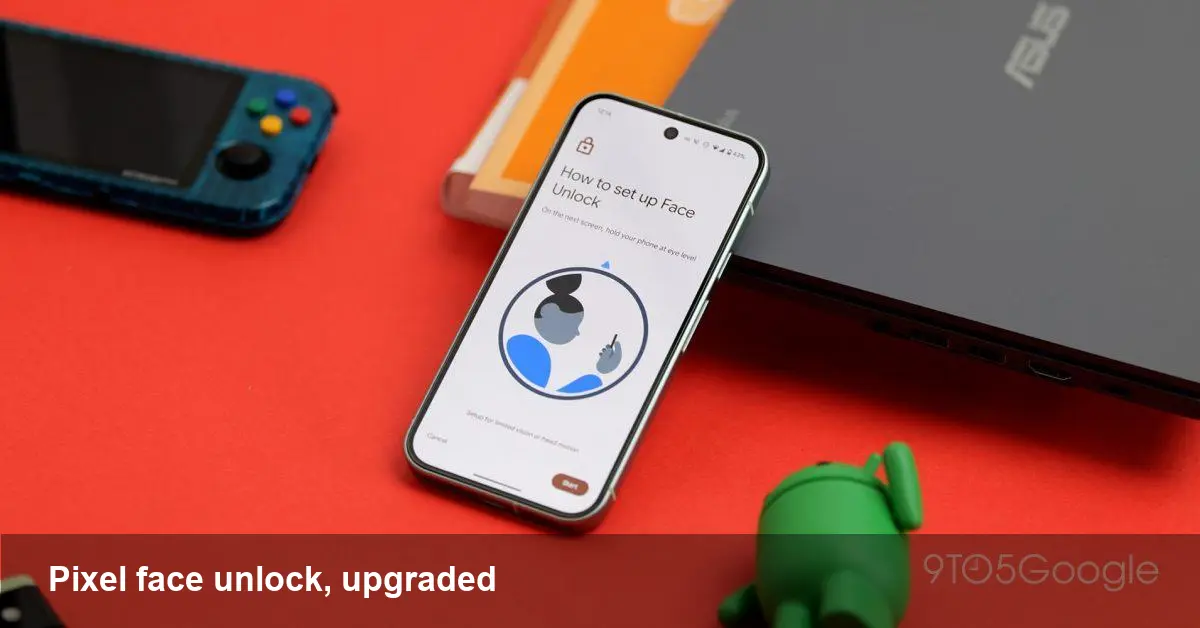
Biometric authentication is a core part of modern smartphones. Google’s Pixel line has relied primarily on fingerprint sensors and software-based face unlock in recent years. Reports about an initiative called Project Toscana suggest the company is investing in upgraded face-unlock hardware. For developers, security teams, and product leaders, this isn’t just a camera tweak — it signals a push toward stronger, more reliable on-device identity that could change how Android apps and services handle authentication.
A quick primer: what Apple set as the bar
Apple’s Face ID popularized a hardware-backed approach to facial recognition: a dedicated IR camera, a dot projector that maps depth in 3D, and a secure enclave for processing and storage. That combination prioritizes liveness detection and stores templates only on-device, which reduced certain types of spoofing attacks and made face unlock suitable for payments and high-value authentication.
Project Toscana appears aimed at making Pixel’s face unlock closer to that model — not by copying Apple, but by narrowing the gap where users and enterprise customers expect a hardware-rooted identity primitive.
What the hardware upgrades mean in practice
The reported changes under Project Toscana include adding or improving depth-sensing components and moving more biometric processing into a secure zone on the device. Practically, that produces several tangible outcomes:
- Better anti-spoofing: Depth sensors and infrared illumination make it harder to fool the system with photos or simple masks.
- Consistent performance in varied light: IR and structured-light solutions reduce failure rates under low light or direct sunlight.
- On-device privacy: Processing biometric raw data locally and storing templates in a secure enclave limits exposure to cloud-based breaches.
For everyday users, these upgrades reduce false negatives (when the phone doesn’t recognize its owner) and false positives (incorrect unlocks), improving convenience for authentication-heavy flows like banking and passwordless sign-ins.
How this affects developers and product teams
If Pixel’s face unlock becomes more capable and more widely available, Android developers should plan for two parallel opportunities:
- Richer authentication flows
- Enable biometric-first experiences where appropriate. Use Android’s BiometricPrompt API and FIDO2/WebAuthn to provide secure, passwordless login and transaction confirmations.
- Consider progressive enhancement: offer biometric methods when device capabilities indicate stronger hardware-backed guarantees.
- Smarter risk decisions
- Use device signals to adjust trust levels in authentication and authorization logic. For instance, unlocks validated by hardware-backed facial recognition can reduce friction for high-risk transactions when combined with contextual signals (location, IP reputation).
Enterprise IT teams should also revisit mobile device management policies and single sign-on integrations to take advantage of stronger on-device biometrics for conditional access.
Real-world scenarios where upgraded face unlock helps
- Banking apps: Faster, more reliable biometric confirmations reduce abandoned transactions and customer support calls around login problems.
- Passwordless onboarding: New users can verify identity with hardware-backed biometrics instead of typing or remembering passwords, lowering friction for sign-ups.
- Physical access and fleet devices: Organizations deploying shared devices can use face unlock tied to a secure element for employee authentication without exposing credentials.
These use cases translate directly to metrics that matter for product and ops teams: higher conversion, lower helpdesk load, and reduced credential-management overhead.
Trade-offs and limitations to weigh
No biometric system is flawless. Even with upgraded hardware, there are practical and policy-level limitations:
- Edge cases remain: occlusions from masks, glasses, or facial changes can still frustrate users. Systems must gracefully fall back to PINs or other factors.
- Accessibility and inclusion: Facial recognition must accommodate diverse faces and conditions — bias mitigation and testing across demographics are essential.
- Attack surfaces evolve: While depth sensing raises the bar against casual spoofing, sophisticated presentation attacks and targeted threats require ongoing anti-spoofing investment.
- Regulatory scrutiny: Governments and companies may restrict facial biometrics in certain contexts, and privacy rules can change the acceptable uses for face data.
From a product perspective, adding face unlock shouldn’t replace multi-factor thinking; instead, it should be an opt-in factor that complements other controls.
Business implications and adoption challenges
For vendors and startups building services on Android, Project Toscana presents both opportunities and operational questions:
- Faster conversion for consumer apps: Less friction in signup and payments can improve retention and monetization.
- Enterprise trust: Hardware-backed biometrics make Android devices more palatable for corporate deployments that require strong authentication.
- Fragmentation: Android’s device diversity means adoption will be incremental. Apps should detect capabilities programmatically and avoid depending solely on one brand’s hardware.
From a vendor perspective, investing in support for FIDO2 and BiometricPrompt will future-proof authentication flows against device fragmentation and security updates.
Three strategic implications for the next few years
- Passwordless becomes mainstream for mobile-first apps: As more devices ship with hardware-backed biometrics, developers can rely more on FIDO2/WebAuthn for secure, user-friendly authentication.
- Privacy-first architectures win: Solutions that process biometrics locally and limit telemetry will be preferred by privacy-conscious users and regulated industries.
- Competitive differentiation shifts to software-layers: Once basic hardware parity exists, user experience, liveness-detection algorithms, and privacy guarantees will be the competitive edge.
How to prepare (practical checklist)
- Audit authentication flows: Identify where face unlock could replace passwords or multi-step verification.
- Implement FIDO2/WebAuthn and BiometricPrompt: Rely on standards to maximize compatibility across devices.
- Plan fallbacks: Always provide alternative authentication methods for failure cases and accessibility.
- Monitor for regulatory changes: Keep legal and privacy teams engaged when adding biometric options.
Project Toscana looks like a strategic move to elevate Pixel’s biometric story from convenience to credible security. For developers and businesses, that’s a cue to design for stronger, privacy-focused on-device authentication — while keeping pragmatic fallbacks and inclusivity top of mind.