Choosing between ASUS ZenBook A16, AirPods Max 2, Sonos Play and LG Sound Suite

A quick roundup for creators, audiophiles and living-room upgrades
This is a practical look at four recent products that cross the boundaries between personal productivity, audio fidelity and home entertainment: the ASUS ZenBook A16, Apple’s AirPods Max 2, Sonos’ Play family and LG’s Sound Suite. Instead of rehashing spec sheets, I’ll focus on real-world workflows, which users will benefit most, and what these devices mean for teams and businesses picking hardware for remote work or shared spaces.
Who each product is actually built for
- ASUS ZenBook A16 — People who want large-screen productivity without a desktop: writers, designers, developers and knowledge workers who travel. The A16 aims to balance screen real estate with portability; it’s best for users who need a roomy display for multi-window workflows or light creative tasks but don’t want a heavy 17-inch machine.
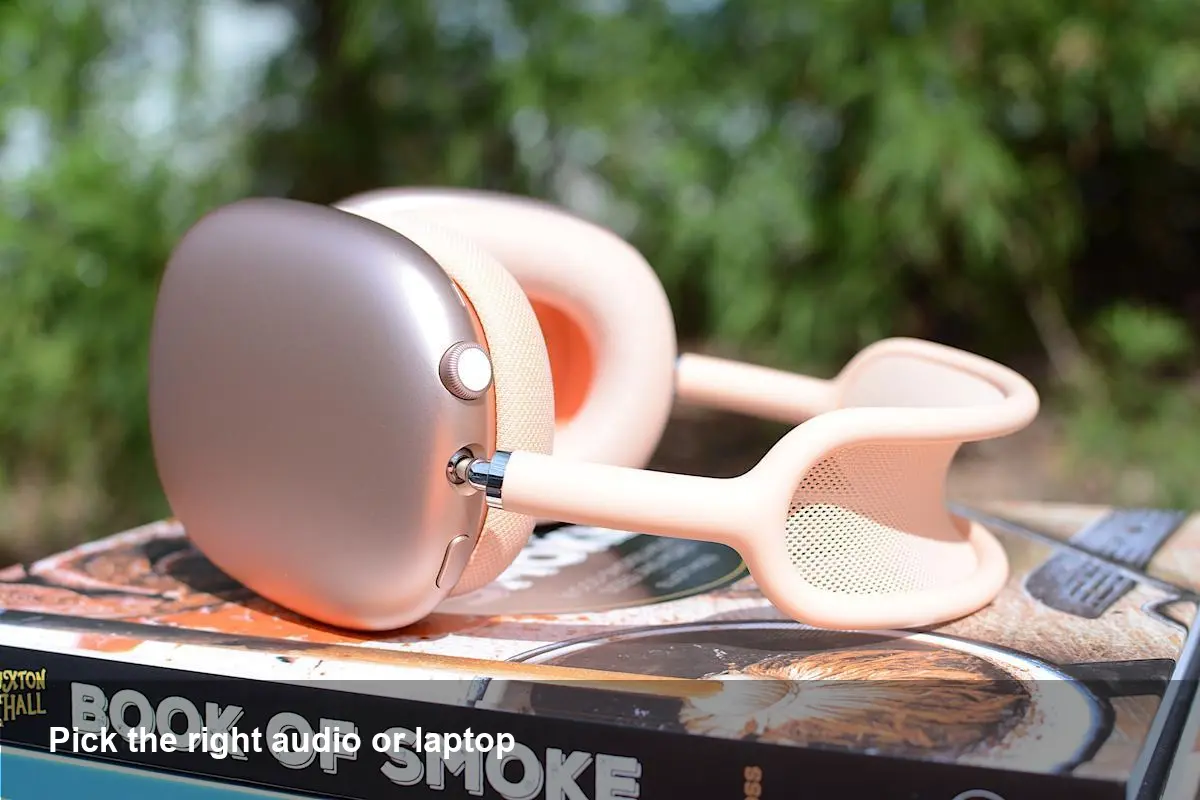
- AirPods Max 2 — Listeners after premium noise cancellation and Apple ecosystem conveniences: frequent travelers, hybrid workers who take calls in noisy environments, and iOS/macOS users who care about spatial audio and seamless switching between devices.
- Sonos Play — Households and small offices that want reliable multiroom audio and a straightforward app-driven experience. Sonos still sells on simplicity and ecosystem: easy grouping, decent room-filling sound, and good streaming service support.
- LG Sound Suite — Users who want TV-first audio upgrades with a modular approach: those who prefer a sound system that neatly integrates with their TV UX, remote control, and smart-home features rather than a separate AV receiver setup.
Real-world scenarios and workflows
- The traveling product designer: The ZenBook A16 lets designers carry a near-laptop-studio experience for edits on the plane or in a café. The larger screen reduces context switching between design files and communication apps; pairing it with a portable monitor or docking station at home gives a smooth transition from mobile to desktop-like setups.
- The hybrid team lead: Wearing AirPods Max 2 for long calls gives consistent microphone/ANC performance across noisy locations. The spatial audio and on-device processing help make remote presentations feel less fatiguing, and quick device switching is a time-saver when moving between a phone and laptop.
- The co-working house or small office: Sonos Play speakers in different rooms let teams quickly create zones for focus music and louder collaborative areas. The Sonos app’s grouping makes it easy to run background playlists during informal meetings, and Sonos’ integrations lower the barrier to adding streaming services.
- The living-room AV upgrader: If your primary goal is better TV sound without a rack of gear, LG’s Sound Suite is designed to work with your TV interface and remote. That reduces complexity — no extra remotes or deep audio calibration — while still offering punchier dialogue and fuller cinematic sound.
Trade-offs to consider
- Portability vs performance (ZenBook A16): Larger screens add weight and thermal constraints. If you do heavy rendering, consider a desktop replacement or an external GPU/workstation instead of a thin-and-light 16-inch laptop.
- Ecosystem lock-in (AirPods Max 2): Apple’s headphones deliver the best experience inside Apple’s ecosystem — features like spatial audio and instant switching are less seamless on non-Apple devices. For Android-first users, other high-end ANC headphones might be a better fit.
- Flexibility vs simplicity (Sonos Play vs traditional setups): Sonos emphasizes convenience and reliability over absolute customization. Audiophiles who want granular DSP, discrete amps, or particular wired-speaker layouts may prefer separate components.
- Integration vs audiophile fidelity (LG Sound Suite): The clean, TV-integrated experience can limit expansion for enthusiasts who prefer dedicated receivers, full surround arrays, or Dolby Atmos through a more complex system.
Developer and business implications
- Endpoint standardization: Companies equipping distributed teams with laptops like the ZenBook A16 can standardize on one form factor that still provides a large screen for documentation and video calls, which helps reduce support complexity.
- Audio for remote work: High-quality headsets such as the AirPods Max 2 reduce meeting friction (less follow-up, fewer repeat requests). For customer-facing teams, better call clarity can directly improve customer satisfaction.
- Shared spaces and IT management: Sonos’ reliable networking model and centralized app make it straightforward for facilities or office managers to deploy background audio without specialized AV staff. It’s attractive for startups wanting a polished office vibe without dedicated AV infrastructure.
- TV-as-meeting-surface: LG’s Sound Suite points to a trend where TVs become shared collaboration surfaces. When paired with wireless casting or conferencing appliances, a TV + integrated soundbar becomes a low-touch meeting room solution.
Short-term buying guidance
- Buy the ZenBook A16 if you need a large portable display for multitasking and don’t expect heavy sustained compute work every day.
- Pick AirPods Max 2 if you’re deep in Apple’s ecosystem and want top-tier noise cancellation plus battery life for travel and long calls.
- Go Sonos Play for reliable multiroom audio and ease of use in homes or small offices.
- Choose LG Sound Suite when you want a low-complexity, TV-integrated upgrade without assembling a full home theater stack.
Trends to watch
- Seamless AV ecosystems: The biggest user benefit continues to be interoperability — devices that hand off audio and video seamlessly across phones, laptops and TVs will win comfort and convenience.
- On-device audio intelligence: Expect more headphones and speakers to push processing to the device (adaptive EQ, personalized spatial audio). That improves privacy and reduces streaming latency.
- Convergence of consumer and small-business AV: As remote work norms persist, the gap between consumer audio products and office AV will narrow. Look for more 'consumer-first' devices with enterprise-grade provisioning and security features.
Picking between these four comes down to use case: large-screen portability for one, premium personal audio for another, and two different routes to better shared or TV audio. Decide whether you want flexibility and DIY control, or something that “just works” in everyday settings — and let that guide your purchase.