NASA’s ExoMiner++ digs into TESS data

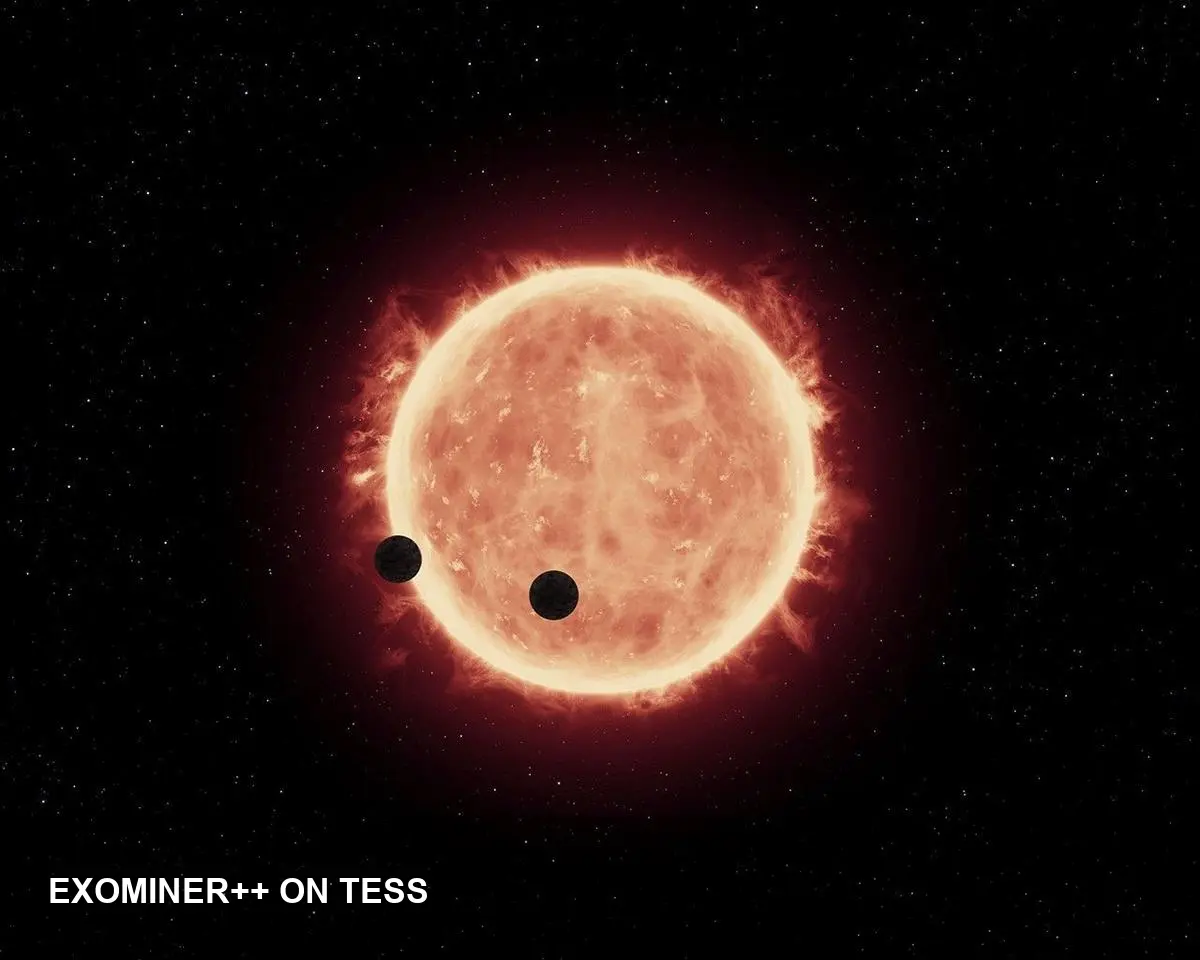
• ExoMiner++ is an open-source deep learning model developed to validate exoplanet candidates, previously credited with finding 370 planets. • The model was trained on data from NASA’s exoplanet-hunting missions and now targets observations from TESS to speed candidate vetting. • By automating validation, ExoMiner++ helps prioritize follow-up observations and reduces the workload on astronomers. • Open-source release enables researchers and citizen scientists to inspect, reproduce, and extend the model.
What ExoMiner++ is doing
ExoMiner++ is an open-source deep learning model that was trained on data from NASA’s exoplanet-hunting missions. The tool has already been credited with validating 370 exoplanets and is now being applied to data from the Transiting Exoplanet Survey Satellite (TESS).
Why this matters
TESS produces a steady stream of candidate signals that require validation to determine whether they are real planets or false positives. Manual vetting and follow-up observations are time-consuming, creating a backlog of candidates.
ExoMiner++ uses an advanced algorithm to automate the validation step, helping astronomers triage TESS candidates faster and focus telescope time on the most promising targets.
Open-source benefits and community role
Because ExoMiner++ is open source, researchers can examine its methods, test it on new datasets, and improve the model. This transparency supports reproducibility and invites contributions from the broader scientific and citizen-science communities.
Open access also helps smaller teams and institutions that lack large computing resources to apply state-of-the-art validation tools to TESS data.
Implications for exoplanet science
Automated validation with ExoMiner++ could shorten the time between candidate detection and confirmation, accelerating the cataloging of exoplanets discovered by TESS. Faster validation improves scheduling of follow-up observations—critical for characterizing atmospheres or measuring masses.
Applying machine learning at scale complements traditional methods and helps manage the increasing volume of data from ongoing and future surveys.
What’s next
ExoMiner++’s deployment on TESS data is an early example of how open-source AI can integrate into mission pipelines. Continued development and community testing will determine how broadly the model can be applied and whether it will reveal additional validated planets beyond the 370 already reported.