MIT’s 2026 Breakthrough Tech: Space, Genes, Batteries

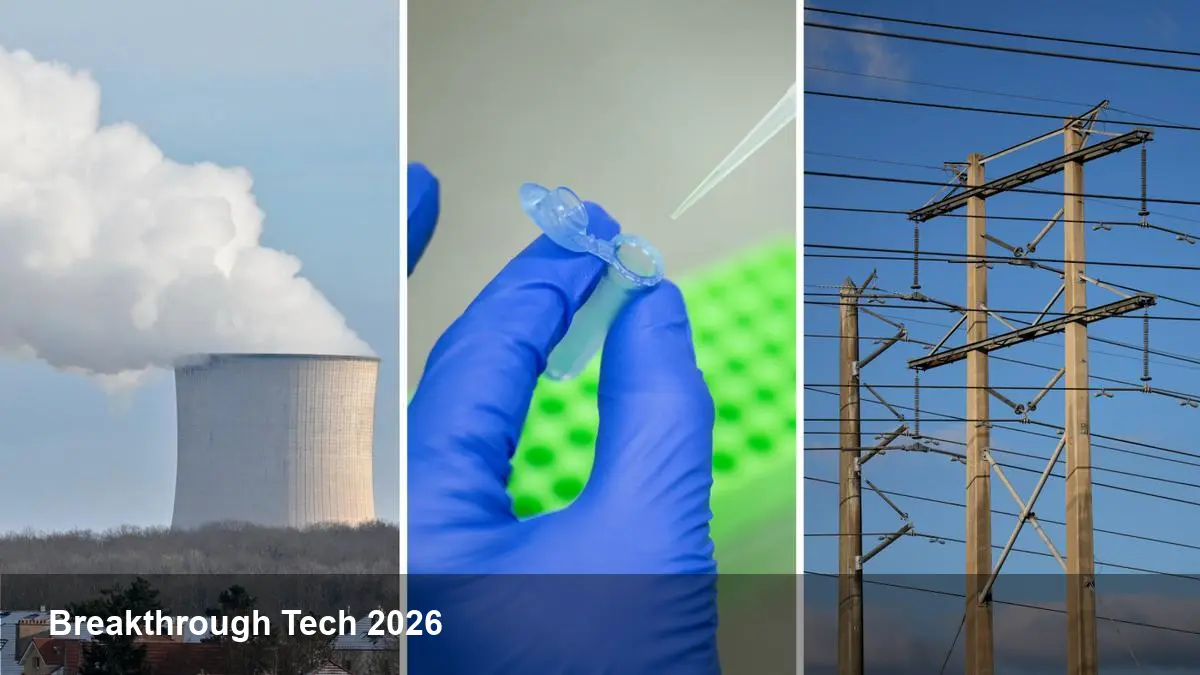
- MIT Technology Review published its annual "10 Breakthrough Technologies" list for 2026.
- Highlights include commercial space stations, base editing in human embryos, and new batteries that could improve electric-vehicle sustainability.
- NPR Short Wave host Regina G. Barber spoke with MIT Technology Review executive editor Amy Nordrum about the list and quick honorable mentions.
- A Short Wave episode and the full MIT Technology Review report provide deeper context and sources.
What the list means for 2026
MIT Technology Review’s annual list identifies technologies that could change industries or daily life within a few years. The 2026 roundup singles out advances with near-term commercial or social impact rather than purely speculative breakthroughs.
Top themes to watch
Commercial space stations: With more private companies planning orbital habitats, these platforms are moving from concept to contracted projects. The list highlights the shift from government-led to commercially provisioned microgravity research and tourism.
Base editing and embryo interventions: Gene-editing tools that make precise DNA changes — known as base editors — are now close to clinical application. The report flags potential medical benefits alongside ethical and regulatory questions around editing embryos and inheritable changes.
Greener batteries for electric vehicles: Materials and chemistry tweaks could reduce the environmental footprint of EV batteries. Improvements focus on energy density, longevity, and using fewer rare or problematic materials to make EV adoption more sustainable.
Why experts are paying attention
MIT Technology Review curates technologies where technical feasibility, funding, and market forces converge. For 2026, that convergence appears strongest in commercial space infrastructure, precision gene editing, and battery innovation — areas already seeing investment and pilot projects.
Listen and read more
NPR’s Short Wave released a 12-minute conversation between host Regina G. Barber and Amy Nordrum that unpacks the MIT list and offers a lightning round of honorable mentions. You can listen to the episode via podcast platforms or use the embedded player below:
For the full ranked list and in-depth writeups on each technology, read MIT Technology Review’s original feature. That report provides citations, company names, and technical context for readers seeking deeper detail.
Quick takeaway
Expect 2026 to be a year where commercial space projects scale from prototypes to early operations, gene-editing tools move closer to clinical uses with heated ethical debate, and battery chemistry advances make EVs cleaner over their lifecycle.